
WRTI kicks off Second Phase of wildlife census in Northern Kenya
Hamdi Buthul-KNA
The Wildlife Research and Training Institute (WRTI) has kicked off the second phase of the National Wildlife Census in Northern Kenya, aimed at assessing wildlife population trends in the region, amid persistent climate-induced challenges.
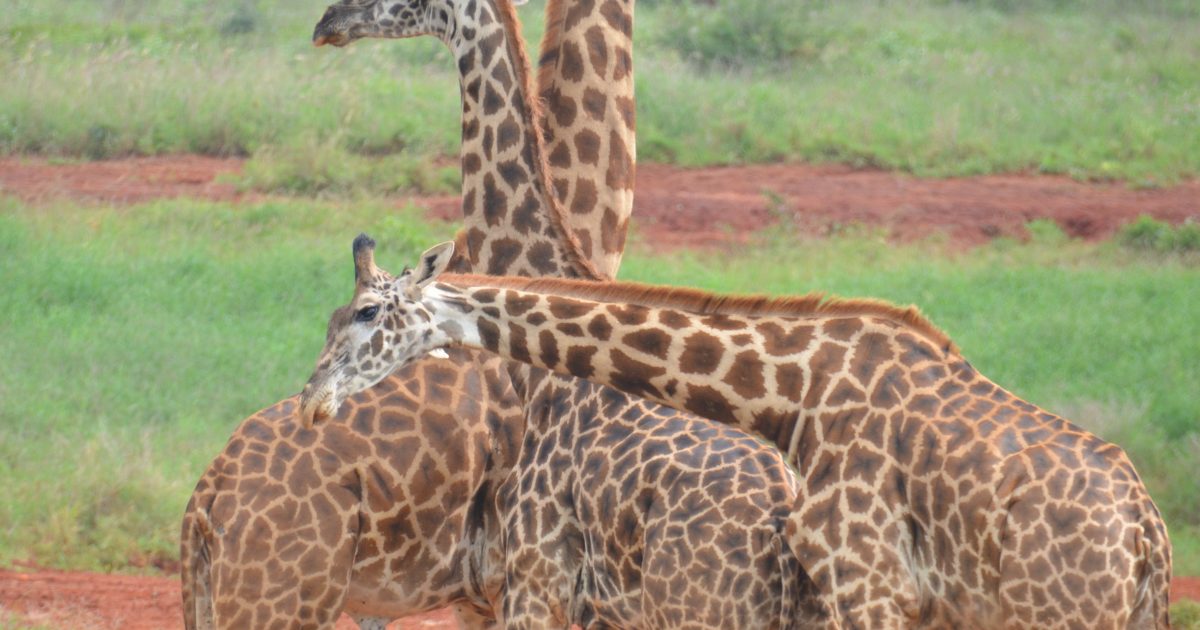
Speaking during the exercise at the Kenya Wildlife Service (KWS) offices in Wajir, WRTI Director Dr. Patrick Omondi, said the census will provide up-to-date data to inform conservation strategies, particularly in the northern region, known for hosting most Kenya’s reticulated giraffes.
“In 2021, we estimated the giraffe population in this region at 6,000. This year’s census will help us determine how that figure has changed, especially in light of the 2022 drought, which had devastating impacts on both livestock and wildlife,” Dr. Omondi said.
The Director noted that the findings will play a critical role in influencing policy and guiding the designation of conservation areas, especially in counties like Wajir that currently lack a national park or game reserve.
“This presents a valuable opportunity for county governments to use scientifically gathered data to create conservation zones and formulate appropriate policies,” he said.
The 11-day exercise is part of the 2024 to 2025 National Wildlife Census, mandated by the Wildlife Conservation and Management Act, which requires regular status reports on Kenya’s wildlife populations.
Dr. Omondi explained that unlike previous total count methods, this census uses a sample count approach combined with advanced technologies.
“We are using Geographical Information Systems (GIS) mapping and the JOLI application to analyze data, as well as dictaphones for audio capture from aerial observers. This ensures adherence to internationally peer-reviewed scientific methods,” he noted.
While the exercise has not yet encountered significant difficulties, Dr. Omondi cited wind and high temperatures as potential challenges, requiring early morning and late evening flights, when wildlife is most active.
Ultimately, the census aims to provide a foundation for evidence-based decisions at both national and county levels.
“This data will benefit local communities by enabling land-use planning and development of conservancies. It will also guide the designation of critical wildlife habitats,” he said.
Senior Assistant Director of KWS in charge of the Northern Conservation area, Mungumi Bakarichongwa, reiterated the importance of the census, describing it as a legal requirement under the Wildlife Conservation and Management Act.
“This is not just a scientific exercise. It’s a statutory obligation that allows the Cabinet Secretary to report the status of wildlife resources in the country every three years,” Bakarichongwa said.
He added that the census is being conducted using a one government approach, involving several institutions including KWS, WRTI, Kenya Forest Service, the Department of Resource Surveys and Remote Sensing, the State Department for Wildlife and county governments.