
Tourism CS flags off wildlife census in Northern Kenya to boost conservation
DICKSON MWITI-KNA
The Ministry of Tourism and Wild life has launched the second phase of its national wildlife census, aimed at accurately determining the number and health of wildlife in Kenya’s ecosystem.
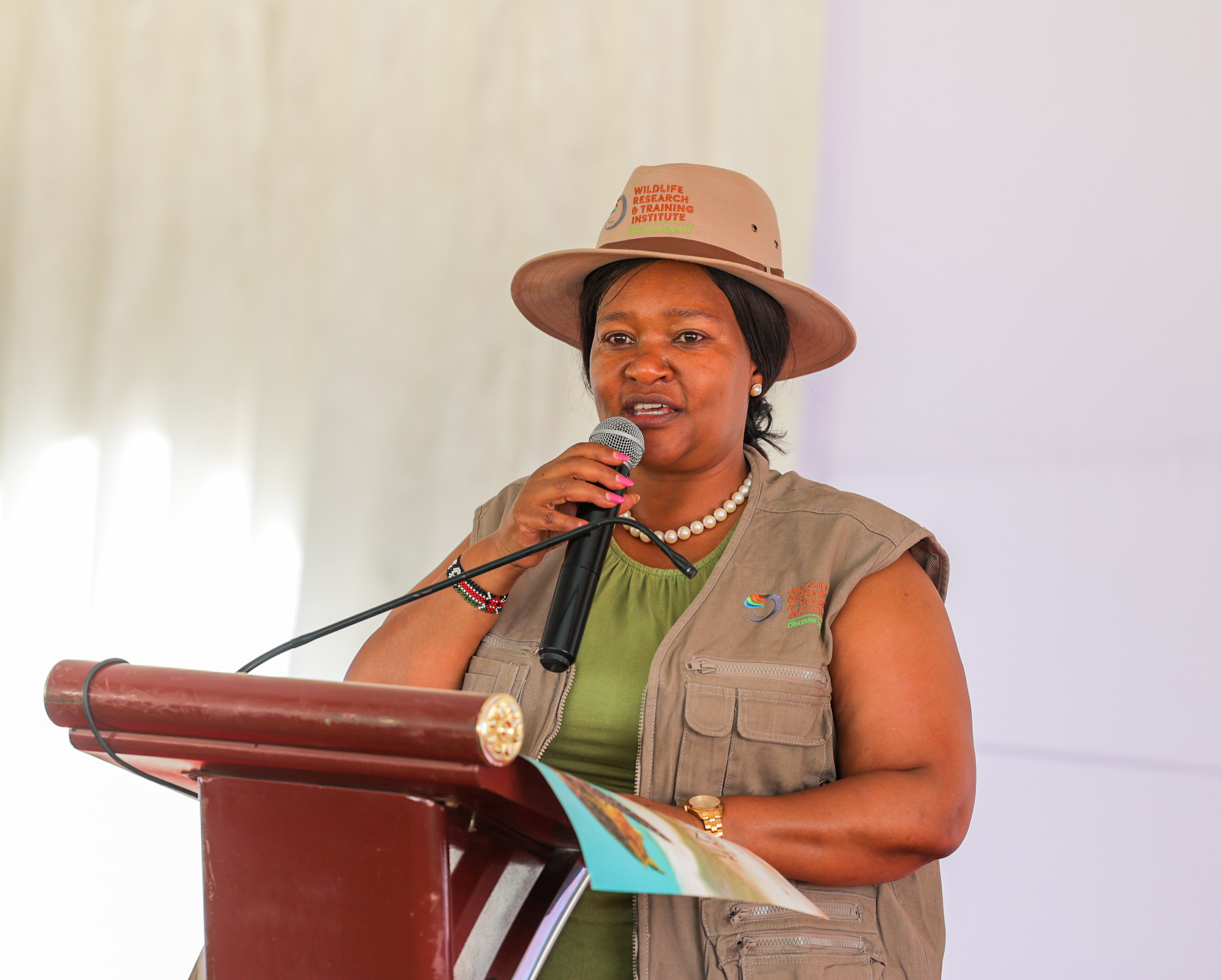
The initiative, which is crucial for future tourism planning and conservation efforts, was flagged off by Tourism Cabinet Secretary Rebecca Miano in Isiolo County.
The second phase of the census will focus on Northern Kenya, covering key regions such as Laikipia, Samburu, Meru, Tharaka-Nithi, Isiolo, and Marsabit.
This follows a similar exercise conducted in 2021, which revealed a 29 percent increase in the elephant population, with over 7,000 elephants counted.
However, the drought experienced in 2022, floods, and other natural factors have led to a reduction in some animal populations, such as buffaloes.
Speaking at the launch, CS Miano highlighted the growing challenges posed by human activities like logging and charcoal burning, which continue to threaten wildlife habitats.
“Through aerial surveys, the ministry aims to better monitor these threats and assess their impact on Kenya’s wild life,” Ms. Miano said.
She added that with the support of modern aviation technology and GPS connectivity, Kenya Wildlife Service is equipped to track wildlife more effectively and make informed decisions to preserve Kenya’s natural heritage.
The importance of Northern Kenya as a critical elephant habitat, not just for Kenya but for Africa as a whole, was underscored by Dr. Festus Ihwagi, Senior Scientist at the Save the Elephant Initiative.
He pointed out that the region, which hosts non-protected wildlife areas, offers unique opportunities for fostering a balanced co-existence between wildlife conservancies and local communities.
The census also holds significant importance for policymakers. The Member of Parliament for Maara and Chair of the Tourism and Wildlife Committee in the National Assembly Kareke Mbiuki emphasized that the survey’s findings will help legislators craft more effective policies for the management and sustain able growth of Kenya’s tourism sector.
The second phase of the wildlife census being conducted by the Wildlife Research and Training Institute (WRTI) is expected to not only provide crucial data for conservation but also support Kenya’s broader tourism goals by ensuring the protection of its world-renowned wildlife attractions, he said.
The census is targeting 65,000 square kilometers in the six counties. WRTI director Dr Patrick Omondi said the institute is using the latest technology of mapping and counting the animals by ensuring they track every area simultaneously using the seven chop pers flagged off last week by CS Miano.
The data will then be immediately sent to the data centre located at Shaba for tabulation and analysis. “Counting wildlife is not like counting human beings and this exercise is therefore very sophisticated.
"To avoid total and double counts we have to fly the blocks simultaneously so that we can map where these animals are in time and space,” Dr Omondi said. He thanked the counties, communities, and other partners for their support in the exercise.