

TBK urges smallholder farmers to prioritize quality for higher bonuses
SARAH NJAGI-KNA
Tea Board of Kenya (TBK) has advised small holder tea farmers in the west of the Rift Valley region to focus more on quality rather than quantity to enjoy higher bonuses.
The Board in collaboration with Kenya Agricultural and Livestock Research Organisation (KALRO), Tea Research Foundation of Kenya (TRFK) Kenya Tea Development Agency-Holdings Limited (KTDA), Independent Tea Procurers Association Kenya (ITPAK) and the East African Tea Trade Association (EATTA), is leading a farmer-centered sensitization campaign to restore tea quality and improve tea farmers earnings in the west of the Rift region.
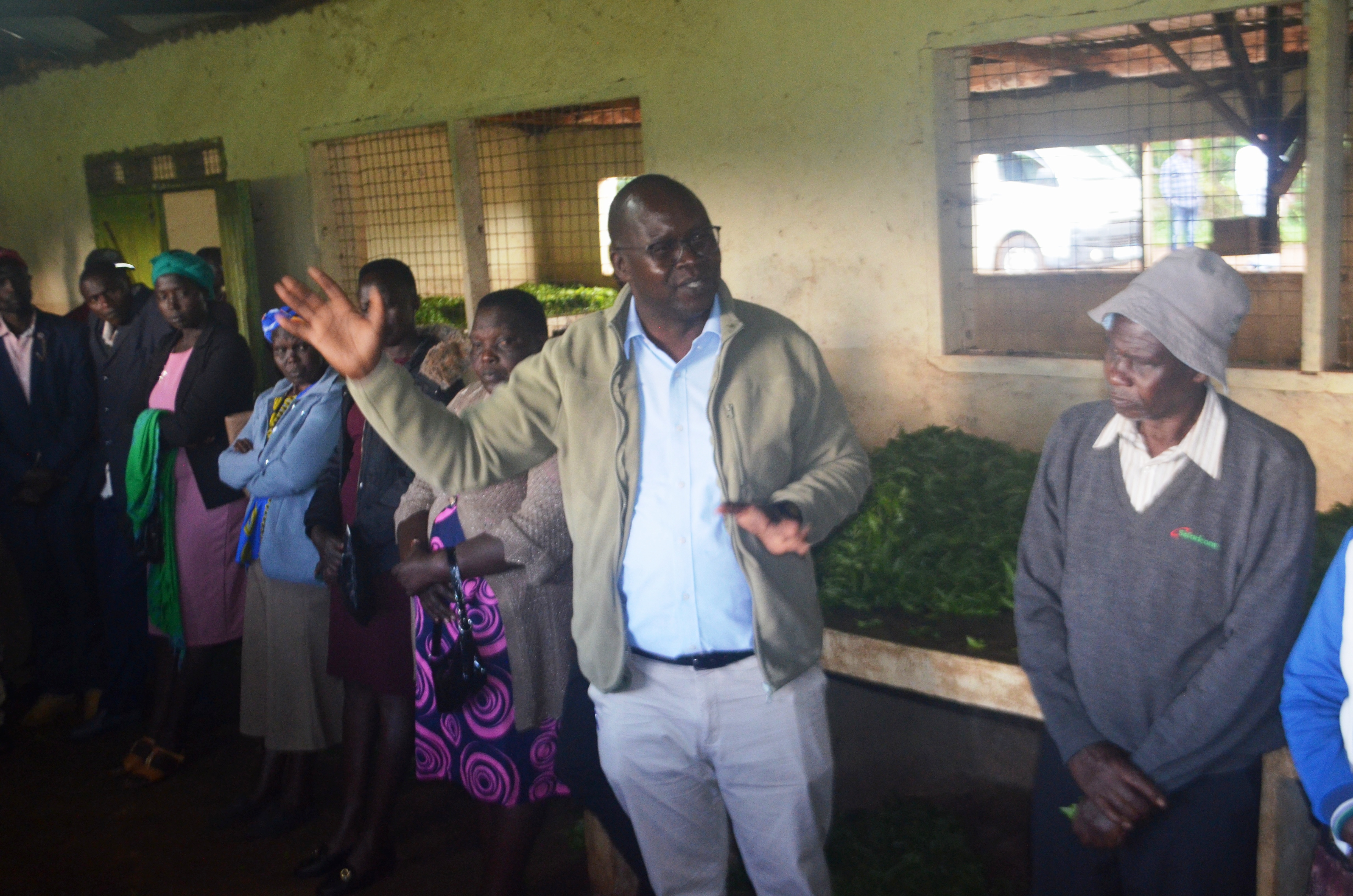
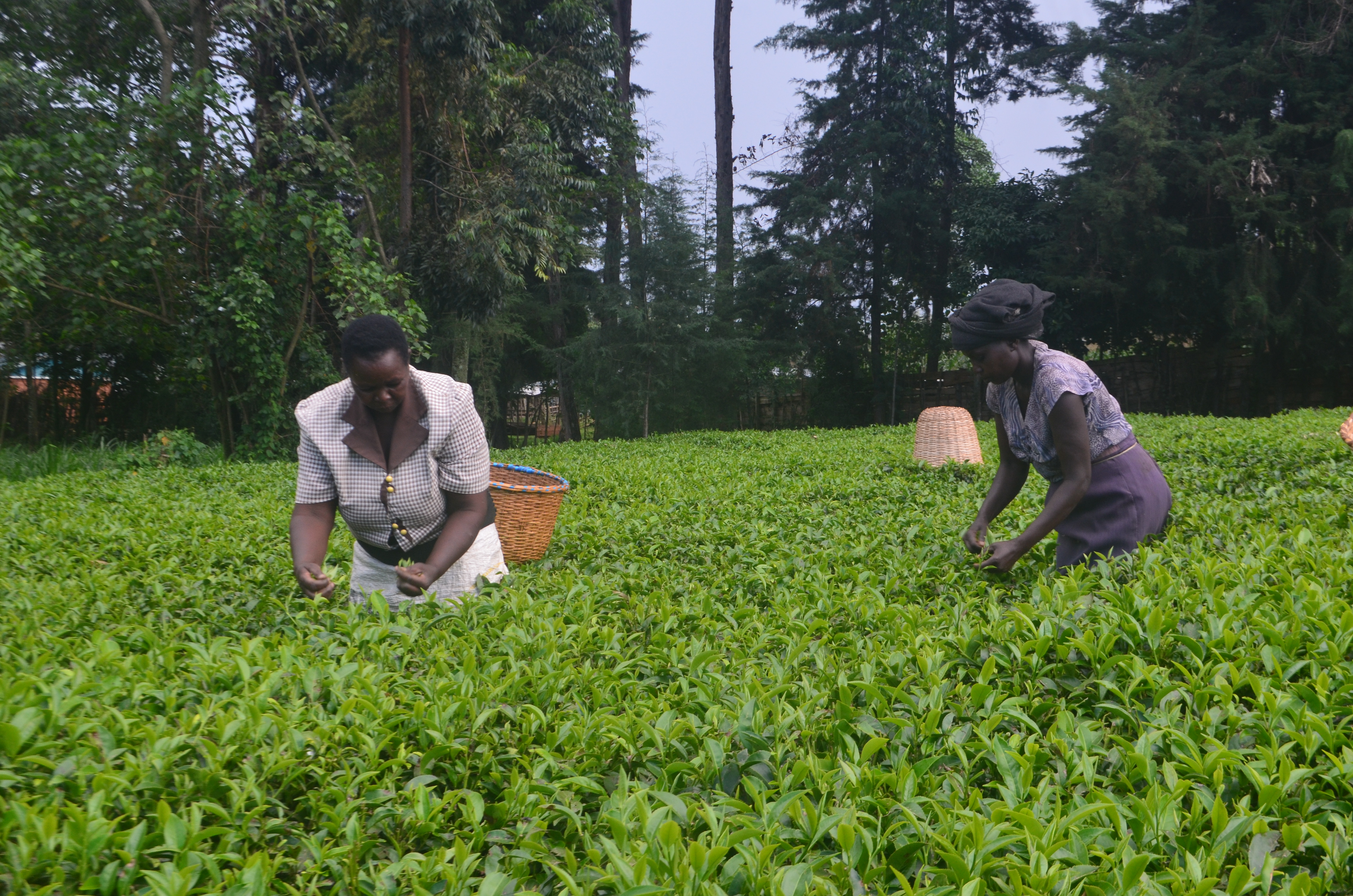
The training at Momul Tea Factory targeted selected small-holder tea farmers from listed tea factories managed by KTDA in the west of Rift Valley region, focused on farm management, pruning, fertilization, plucking, tea handling, transportation and pricing.
In an interview with KNA at Kiptome Tea buying center, TBK Chief Executive Officer (CEO), Willy Mutai, revealed that the government is making deliberate efforts to ensure small-scale tea farmers are focused on leaf quality plucking for them to earn higher bonuses.
He added that the difference in bonus payments between regions is directly linked to the quality of tea harvested.
Momul Tea Factory located in Belgut Sub- County, Kericho paid its farmers a Sh50.30 per kilogram bonuses rate for the Financial Year 2023/2024, the highest in the west of the Rift Valley region with the lowest ranging from Sh20 as the least amount the farmers received from every kilogram of green leaf.
“This leaf quality campaign is a deliberate effort by the government to make sure that all farmers understand the tea business, where the farmer should know that quality is what drives the price.
“At the end of each day, the average price determines what the farmer will be paid. The price starts at the farm and ends at the tea auction. We have brought various farmers all the way from Nandi, Nakuru, Kakamega, Kisii, Nyamira Bomet and Kericho to come and visit Momul Tea Factory.
“Momul factory's performance last year was very good. They earned a bonus of Sh50.30 plus a monthly pay of Sh24. The price difference is because of the quality of tea plucked. This is a factory that has really embraced harvesting of good quality leaf, and their performance is very encouraging,” Mutai said.
The CEO challenged farmers to adhere to the provisions of green leaf agreement with their factories, entrench tea quality practices and support competent leadership in their respective factories.
He hinted that Kenya is in the process of reclaiming the Iran Orthodox tea market and expand its presence in the China market.
Orthodox tea is quickly emerging as a sought after variety in the global tea market as it is distinguished by its traditional production methods that upholds the integrity of the tea leaves, resulting in a sharp distinguishable flavor profile.
In an interview with a small holder tea farmer, Mzee Henry Too, he commended the Board for their campaign, adding that he was able to produce quality green leaf from his five acres of tea plantation, as he keenly engaged teasers on his farm for advice on the best agronomical practices.
“I started tea farming in 1988, where I planted my first tea bushes and the last tea bush that I planted was in 1994 and all the way in my tea journey as a small-holder tea farmer I have been involving the teasers.
"One tea bush should give a farmer who goes for the best agronomical tea practices two kilograms per year. I have educated my children as well as clear loans using the tea bonuses, I earn from the good quality that I deliver to Momul Tea Factory,” said Mzee Too.