
State set to address feed challenges with feasibility study in ASAL areas
ANNE KANGERO-KNA
The State Department of Livestock is validating a feasibility study report on the pasture and fodder value chain, aimed at improving the availability of animal feed in the 21 Arid and Semi-Arid Lands (ASAL) counties.
The study is expected to guide livestock owners and stakeholders in addressing existing challenges, as pasture and fodder production has the potential to significantly boost livestock productivity.
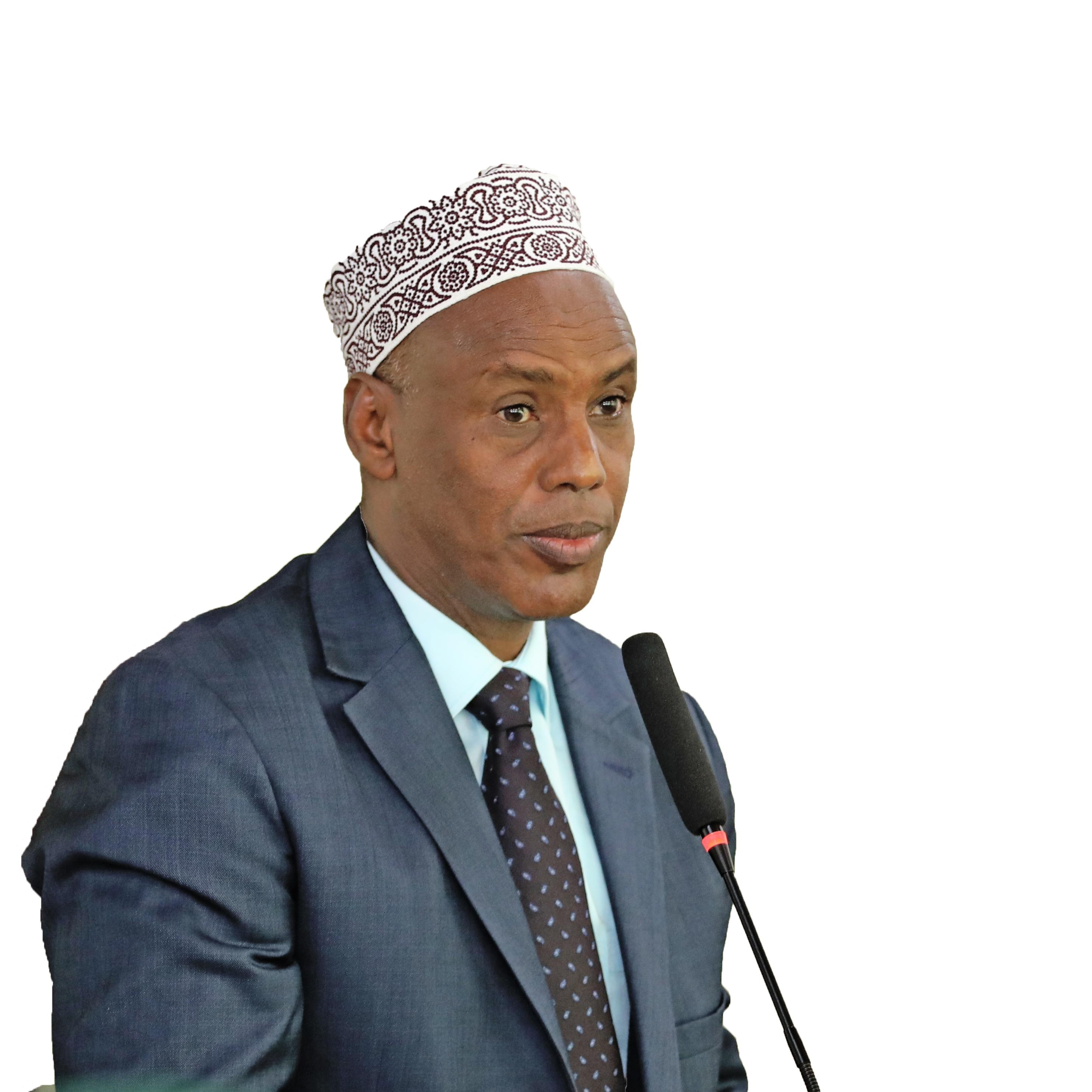
“The livestock sector contributes 12 percent to the GDP and employs more than 50 percent of the agricultural labor force,” said the Director of Livestock Production in the Ministry of Agriculture, Bishar Elmi.
Speaking during a two-day stakeholder validation workshop for the feasibility study held at a Machakos hotel, Bishar explained that the purpose of the study was to provide data and evidence to encourage investments through government initiatives or Public-Private Partnerships (PPP).
Such investments, he added, would increase incomes while enhancing the resilience and sustainability of livelihoods in ASAL regions.
Bishar emphasized the government’s commitment to developing the livestock sector by addressing challenges in the pasture and fodder value chain, which are critical to improving feed and nutrition security while promoting sustainable livestock production in ASAL areas.
“We want this report to guide us in resolving feed challenges in our country and provide recommendations for commercializing pasture and fodder in the 21 ASAL counties,” Bishar stated.
The Livestock Director acknowledged that the draft report had been approved by participants, with several suggested amendments pending implementation.
According to Dr. Stanley Mutua, Head of Livestock Feed at the State Department of Livestock, the feasibility study was initiated following research conducted between 2021 and 2022.
The findings revealed that 2.5 million livestock were lost to drought during this period, with 90 percent of the deaths attributed to a lack of food and water.
Mutua disclosed that there is a 60 per cent feed deficit that is threatening livestock production and economic growth, demanding urgent action from policy makers and stakeholders such as land reforms, standardizing feed regulations and enhancing extension services.
He noted that the ministry came up with a project DRIVE (de-risking inclusion and value enhancement) project to assist in adapting to climate change by giving livestock insurance to pastoralists meant to purchase feeds for feeding livestock and linking them to various markets.
It is in this context that they decided to do a feasibility study that will give them the status of pasture and fodder production, challenges experienced, access the production systems, analyse the marketing dynamics and way forward in the 21 ASAL counties.
Mutua added that several stakeholders are involved in the validation of the feasibility study such as county representatives from the 21 ASAL counties, private sector, farmers, seed producers and ASAL strategic partners.
He disclosed that the study led to several findings such as unmet demand for pasture and fodder which is mostly attributed to underproduction and inadequate storage infrastructure.
He pointed out that although there are excess feeds during rainy seasons, farmers lack adequate storage facilities that will store feeds to be used during the dry season.
“Lack of awareness and water scarcity have been limiting pasture and fodder production for livestock, which has led to land degradation in terms of soil fertility and inadequate land availability,” Mutua said.