
State shifts to Naivasha depot to decongest Mombasa Port
ERASTUS GICHOHI-KNA
The Government has activated the Naivasha Inland Container Depot (ICD) as a strategic hub for clearing transit cargo bound for neighbouring countries, in a move aimed at easing persistent congestion at the Port of Mombasa.
The decision comes amid a sharp rise in cargo volumes at Kenya’s main seaport, which has strained infrastructure, slowed clearance processes, and increased logistics costs for importers and regional traders.
Official data shows that Mombasa handled 45.45 million metric tonnes of cargo in 2025, up from 40.99 million tonnes in 2024.
Kenya Revenue Authority (KRA) Commissioner General Humphrey Wattanga announced that the Naivasha ICD will now be prioritized for long-haul cargo destined for Uganda, Rwanda, the Democratic Republic of Congo (DRC), and South Sudan, allowing the Port of Mombasa to focus on domestic and short-haul traffic.
“The utilization of the Naivasha ICD will reduce congestion at the port, shorten clearance timelines, and cut transport costs for regional traders, while maximising the efficiency of the Northern Corridor,” Wattanga said.
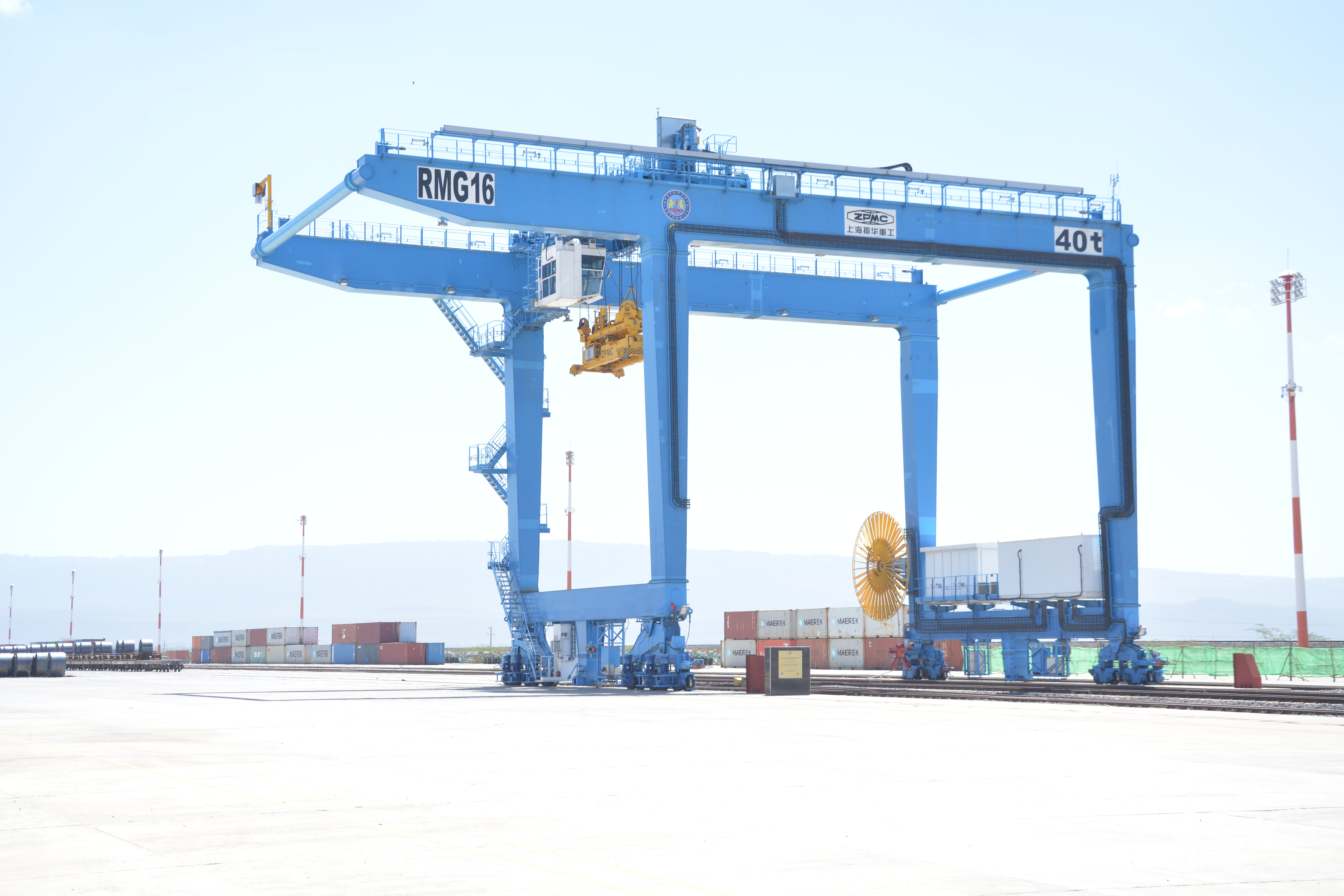
Linked to Mombasa by the Standard Gauge Railway (SGR) and further connected by the Metre Gauge Railway (MGR), the depot has a handling capacity of 4,000 twenty-foot equivalent units (TEUs) but is currently operating at just 19 per cent occupancy.
Wattanga noted that customs revenues from port activities account for nearly a third of Kenya’s total cargo-related revenue, amounting to about Sh900 billion.
He attributed the surge in cargo volumes partly to regional geopolitical shifts, with traders rerouting shipments through Kenya amid political uncertainty in neighbouring countries.
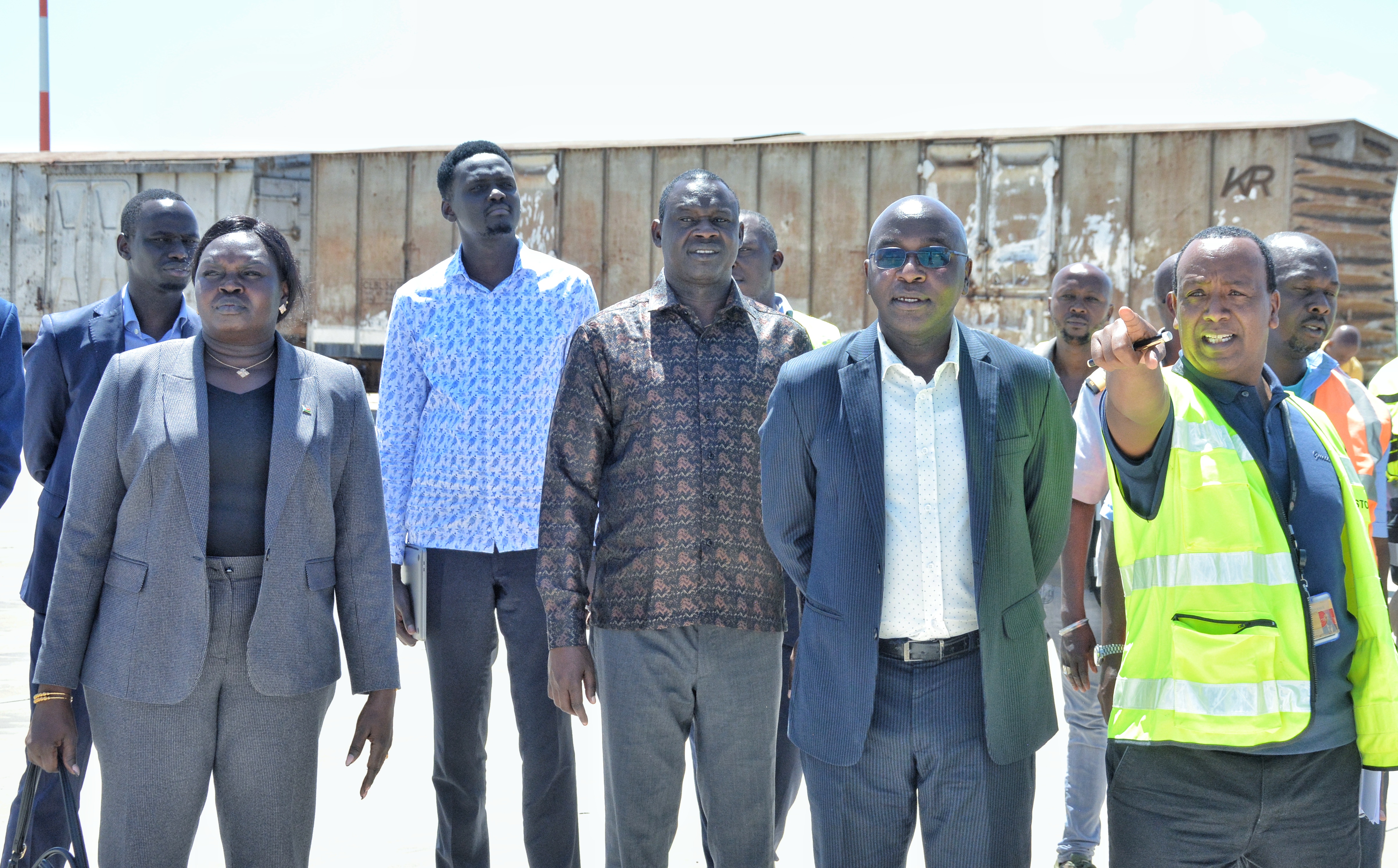
The announcement was made at the Mai Mahiu ICD during an official visit by a South Sudanese delegation. Juba has been allocated 10 acres within the Naivasha Special Economic Zone (SEZ) to establish a cargo clearance facility.
South Sudan Revenue Authority Commissioner General William Kuol said operations at the site will begin within five months.
“The Naivasha ICD offers a faster and more predictable clearance process, which will significantly improve cargo movement to South Sudan,” Kuol said, adding that the initiative will restore confidence among traders.
By 2025, South Sudan accounted for 12.7 percent of total transit cargo through Mombasa, underscoring the port’s role in regional trade.
Special Economic Zones Authority (SEZA) CEO Dr Kenneth Chelule revealed that the Naivasha SEZ has already attracted 20 investors, with land allocated to Uganda, Rwanda, Burundi, the DRC, and South Sudan for national cargo handling stations.
He described Naivasha as an emerging logistics hub, with 6,000 acres designated for manufacturing, logistics, and trade facilitation. Infrastructure works—including road networks and power connectivity—are underway to support investors.
“With South Sudan taking the lead, Burundi and Uganda are next in line. This investment will accelerate cargo evacuation, boost intra-regional trade, and significantly reduce congestion at Mombasa Port,” Chelule said.
Naivasha ICD Operations Manager Ahmad Toya added that increased uptake by neighbouring countries will unlock the depot’s full potential and improve turnaround times along the Northern Corridor.