
State hires 76,000 teachers ahead of historic CBC shift
LAMECH WILLY-KNA
The Government has assured parents, learners, and education stakeholders that preparations are complete for the transition of Grade 9 students to Grade 10 under the Competency-Based Curriculum (CBC), marking a historic milestone in Kenya’s education system.
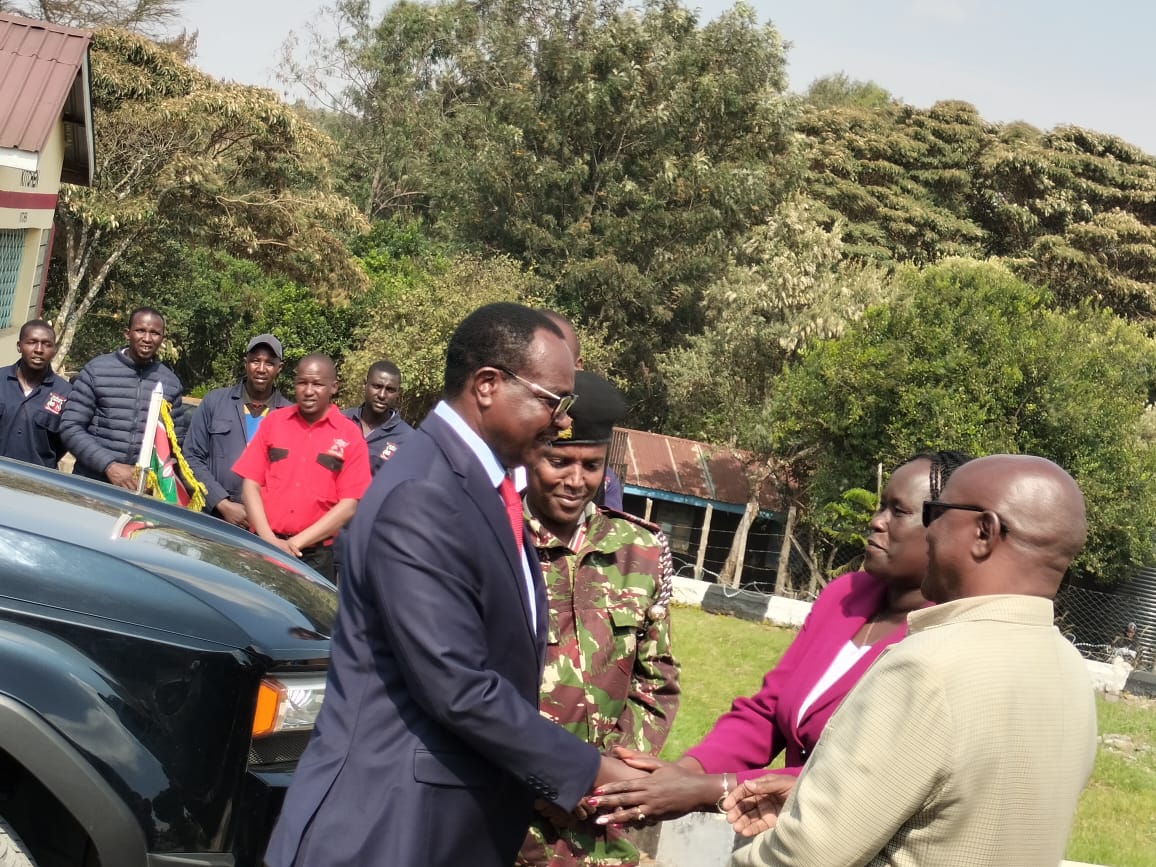
Speaking in Narok after a consultative Elimu Mashinani stakeholder meeting, Education Cabinet Secretary Julius Ogamba reaffirmed the government’s commitment to ensuring a smooth progression for all learners.
“We came to Narok as the Ministry of Education to inform Kenyans about what the government is doing in the education sector and to answer some of their questions. I want to assure them that the government is fully prepared for the transition of Grade 9 learners to Grade 10,” CS Ogamba said.
According to the CS, Grade 9 learners have already begun selecting their preferred schools and academic pathways, a critical stage in the CBC framework.
“The selection process in different schools is going on well. Our learners know what they are doing, and as a government, we also know what we are doing. We have made adequate preparations so that parents do not have to worry. The fact is that students will be in class come January next year as they transition from Grade 9 to 10,” Ogamba affirmed.
To support this transition, the government has already employed 76,000 new teachers and plans to recruit an additional 24,000 in the coming months.
A majority of the newly hired teachers—about 60 percent—specialize in STEM (Science, Technology, Engineering, and Mathematics) subjects, which necessary learning materials by the time they report to school.
“In respect to textbooks, publishing is going to begin this month. We will ensure that by the time students go to class in January, each and every one of them in their core courses will have a textbook in the ratio of 1:1. Resources have been pumped into this sector, and I want to assure stakeholders and parents not to worry about it,” said Ogamba.
The transition of Grade 9 learners into Grade 10 is seen as a significant milestone in the implementation of CBC, which emphasizes skills development, learner pathways, and industry relevance.
The government’s comprehensive plan—covering teacher recruitment, infrastructure expansion, textbook availability, and stakeholder engagement is intended to guarantee that no learner is left behind. are central to the CBC pathways.
“This is the first time in the country’s education history that learners are transitioning under CBC from Grade 9 to 10, and later to Grades 11 and 12. We want to ensure that learners are fully supported with qualified teachers,” Ogamba noted.
In addition, the government has allocated Sh980 million towards the retooling of existing teachers to ensure they are adequately prepared to handle the new curriculum demands.
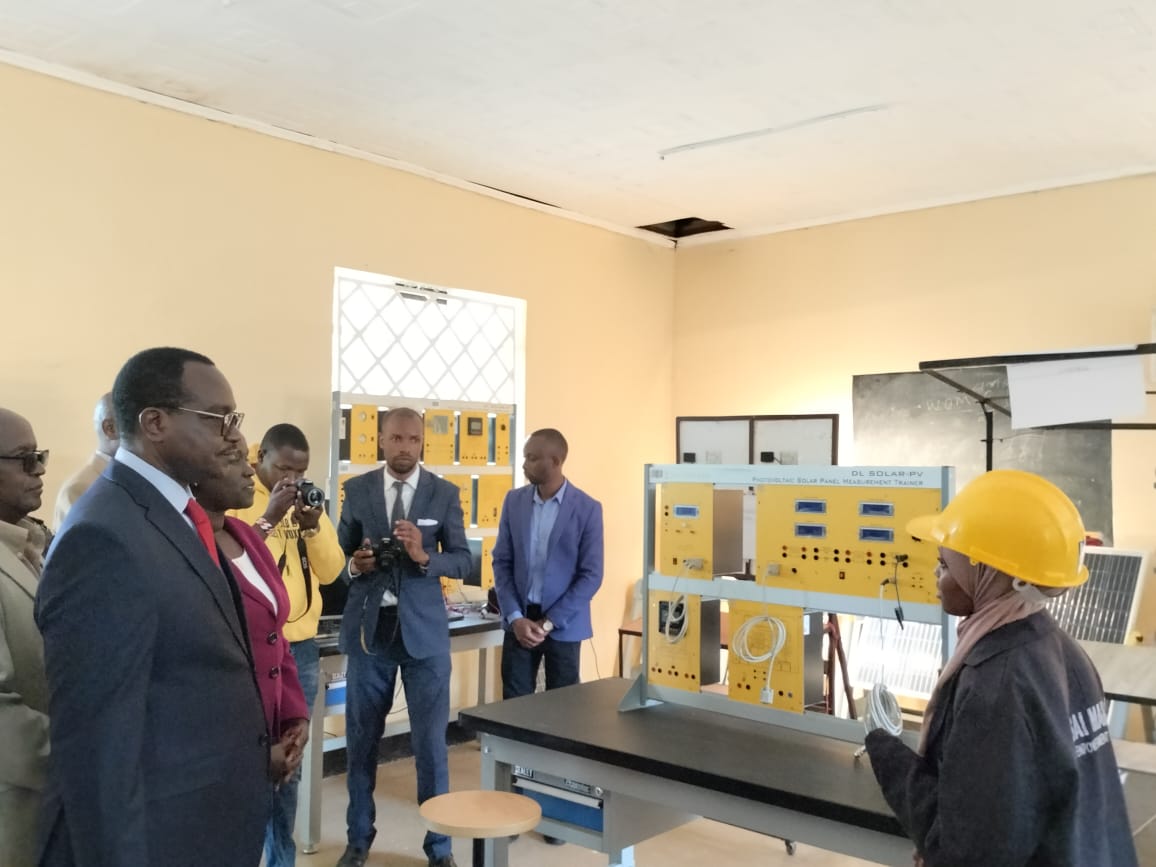
To equip schools for the transition, the Ministry of Education has rolled out a nationwide programme to construct 1,600 laboratories in schools that currently lack these essential facilities, with a focus on rural areas.
Ogamba explained that an assessment had already been carried out, identifying schools in need of these laboratories and construction was expected to be completed by December this year, in readiness for the January 2026 intake.
The CS also assured parents and stakeholders that all Grade 10 learners would have access to the necessary learning materials by the time they report to school.
“In respect to textbooks, publishing is going to begin this month. We will ensure that by the time students go to class in January, each and every one of them in their core courses will have a textbook in the ratio of 1:1. Resources have been pumped into this sector, and I want to assure stakeholders and parents not to worry about it,” said Ogamba.
The transition of Grade 9 learners into Grade 10 is seen as a significant milestone in the implementation of CBC, which emphasizes skills development, learner pathways, and industry relevance.
The government’s comprehensive plan—covering teacher recruitment, infrastructure expansion, textbook availability, and stakeholder engagement is intended to guarantee that no learner is left behind.