

KISIP2 transforms Eldoret's informal settlements
FREDRICK MARITIM -KNA
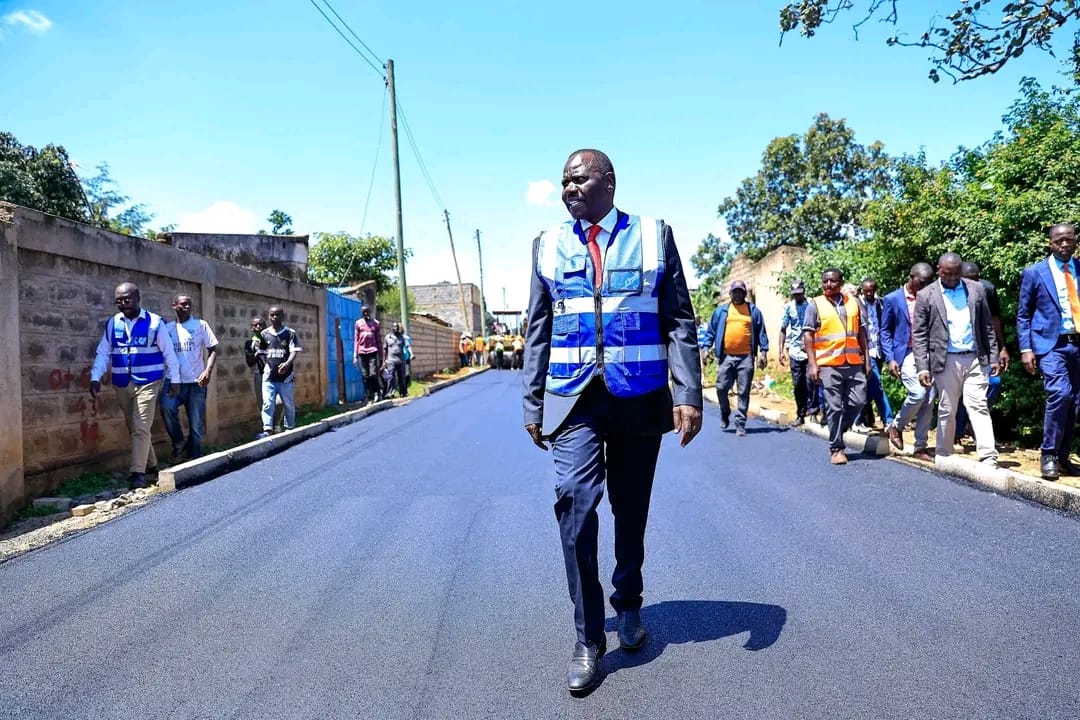
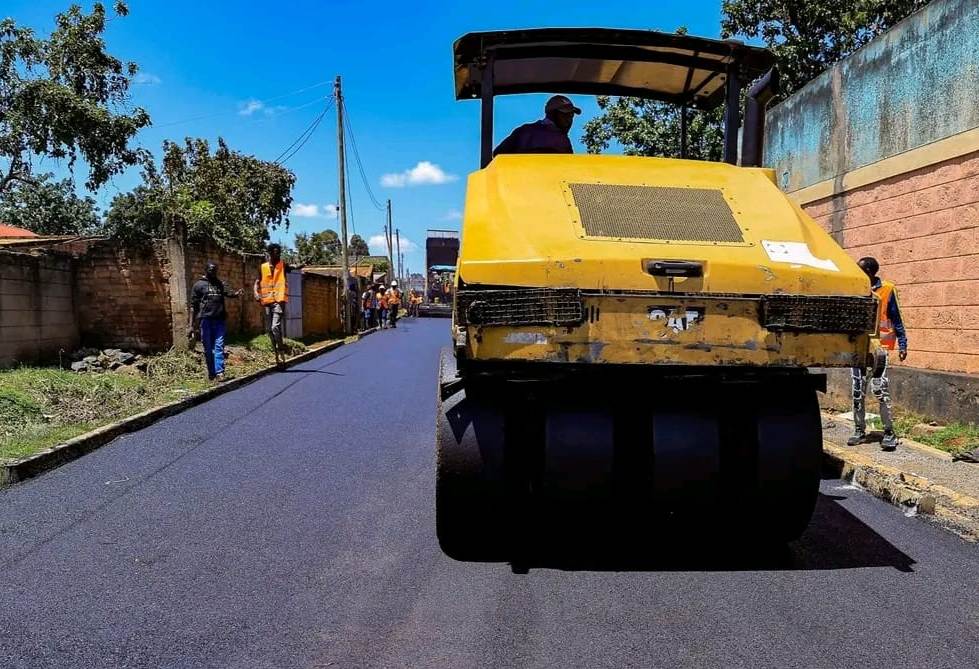
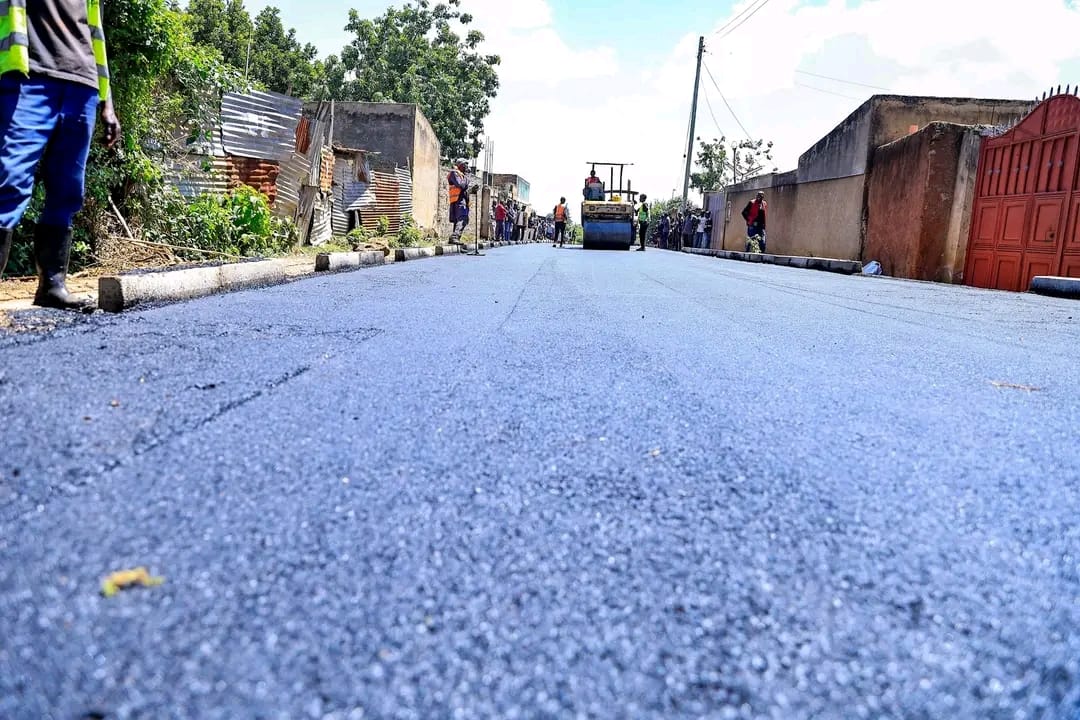
One year after Eldoret was elevated to city status, efforts to upgrade infrastructure in informal settlements have gained momentum, with the ongoing rehabilitation of the 4-kilometer Maili Nne Road standing out as one of the flagship projects under the Second Kenya Informal Settlements Improvement Project (KISIP2).
Funded by the World Bank in partnership with the National and County Governments, KISIP2 seeks to improve living conditions and stimulate economic growth across Eldoret’s informal neighborhoods.
During an inspection tour of the project, Uasin Gishu County Governor Dr. Jonathan Bii said the road represents more than just new tarmac and drainage, describing it as a catalyst for social and economic renewal.
“This road is more than just tarmac and drainage; it marks a new chapter of social and economic revitalization for Maili Nne.
"It means mothers can reach hospitals faster, traders can transport their goods efficiently, children can attend school safely, and investors will be more inclined to establish businesses in this area,” he said.
The ongoing works— which include modern drainage, walkways, floodlights, and street lighting—are transforming the Maili Nne settlement after decades of residents enduring muddy, impassable roads, persistent flooding, and insecurity after dark.
County officials expect the project to raise land values, attract smallscale industries, and spur new housing developments.
They also note that better connectivity is reducing travel costs to Eldoret town, boosting overall productivity. Uasin Gishu County Executive for Lands, Housing, and Urban Development, Edward Sawe, emphasized that the initiative aligns closely with Governor Bii’s Nguzo Kumi development agenda, highlighting its role in uplifting communities and driving inclusive growth.
“By investing in settlements like Maili Nne, we are enhancing dignity, safety, and economic opportunity for all residents. This is the urban growth model we aim to replicate across Uasin Gishu,” said Sawe.
On her part, Chief Officer for Housing and Urban Development, Mary Kerich, added that infrastructure upgrades provide a vital foundation for inclusive growth, stressing that such improvements go beyond physical development to empower communities economically and socially.