
4-K Clubs redefine the future of agricultural education
Arnold Linga-KNA
Primary Schools 4-K Clubs redefining the future of agricultural education
Nestled within the rolling plains of Mbololo Ward on the outskirts of Voi town, a quiet revolution is taking root at Mkwachunyi Primary School.
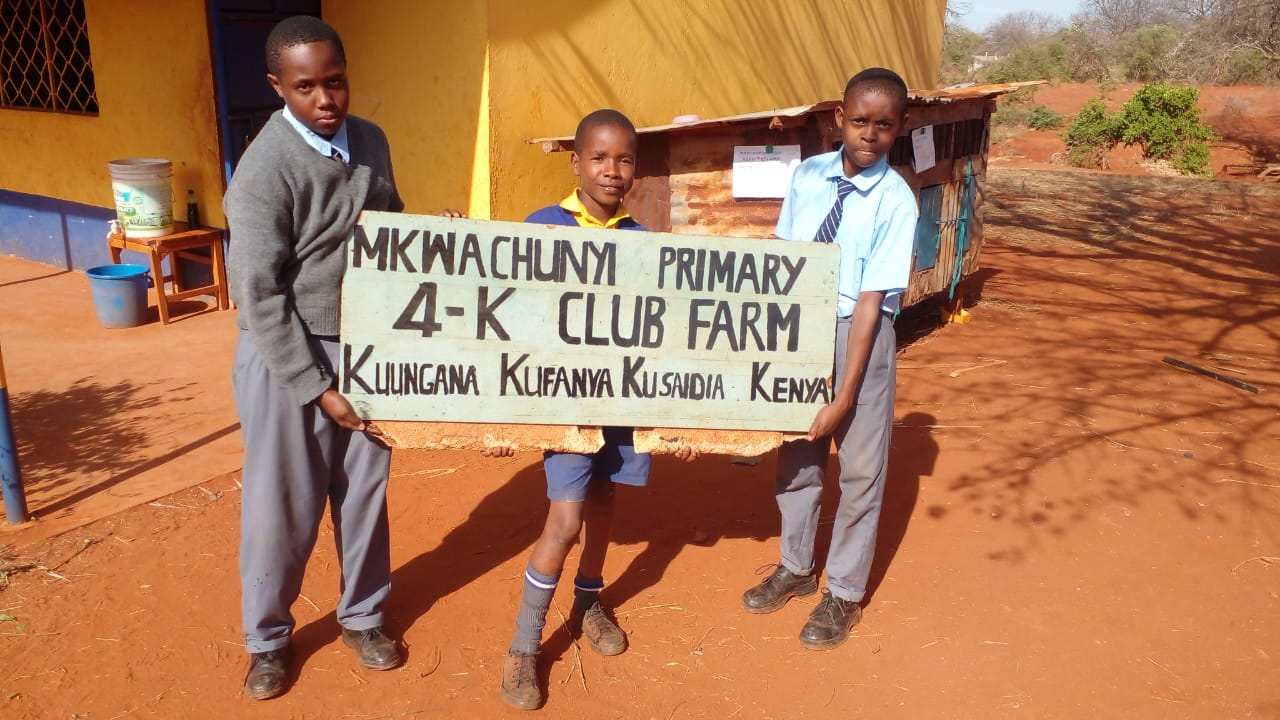
Here, a determined group of 29 girls and 27 boys has embraced the spirit of Kuungana, Kufanya, Kusaidia Kenya through their thriving 4-K Club.
What began as a simple agricultural initiative under the Competency-Based Curriculum (CBC) has blossomed into a movement—one that nurtures not just crops, but future leaders, environmental stewards, and agripreneurs.
The journey began in 2021, following the government’s renewed push to revive the once-thriving 4-K Club movement. Originally launched in the 1960s under the slogan “Kuungana, Kufanya, Kusaidia Kenya,” the program was designed to equip learners with agricultural skills and instill a spirit of community service.
After losing momentum in the late 1990s, the Ministry of Agriculture and Livestock Development, in collaboration with the Ministry of Education and key stakeholders, revived the program in June 2021.
The revival came at just the right time for Mkwachunyi Primary. Teachers and parents saw an opportunity to go beyond the classroom and give learners hands-on experience in agriculture, environmental conservation, and entrepreneurship.
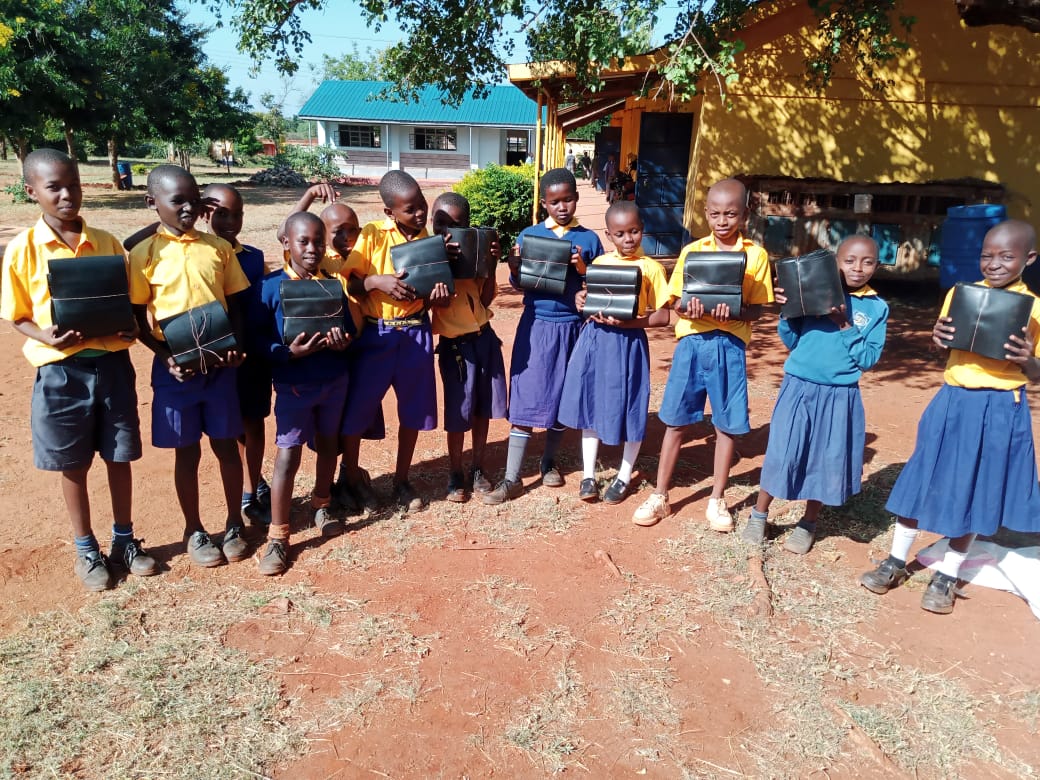
With 56 enthusiastic pupils out of which 29 are girls and 27 boys, the school established its 4-K Club with one clear mission- to nurture both crops and character.
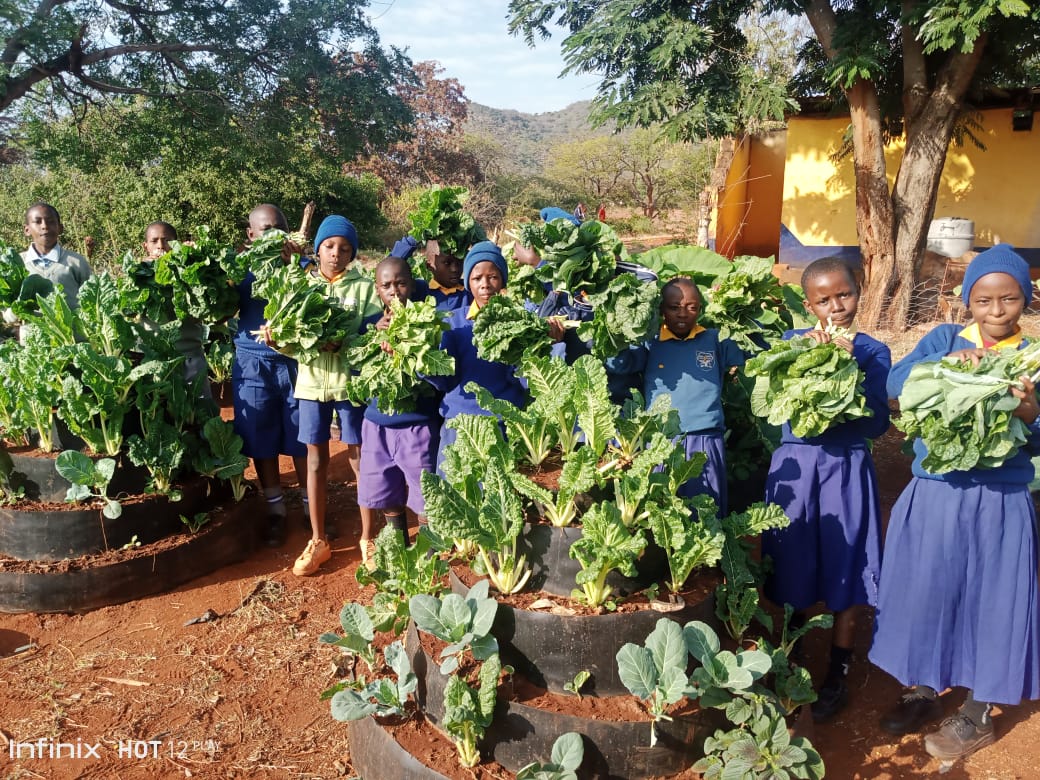
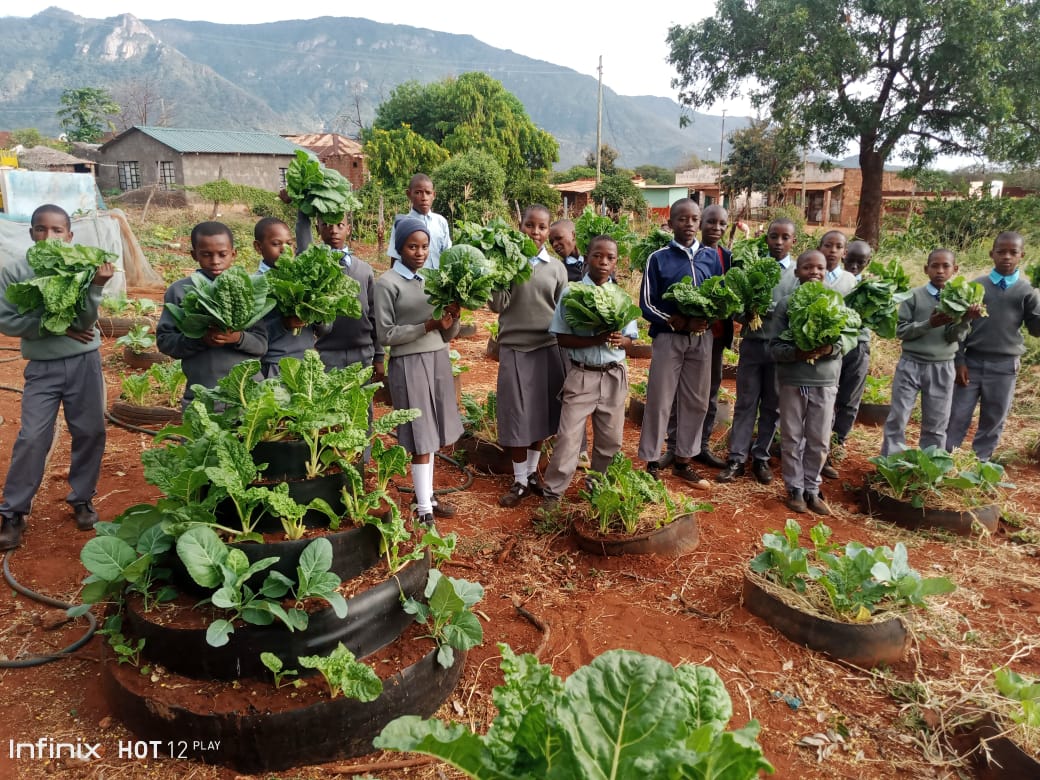
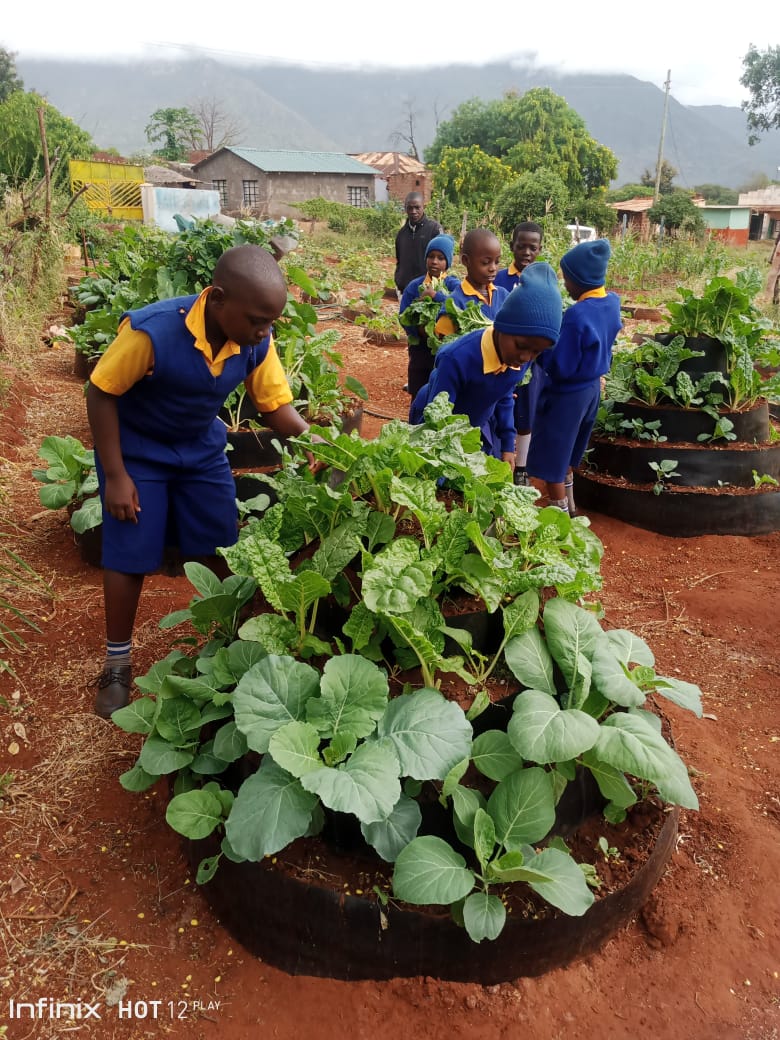
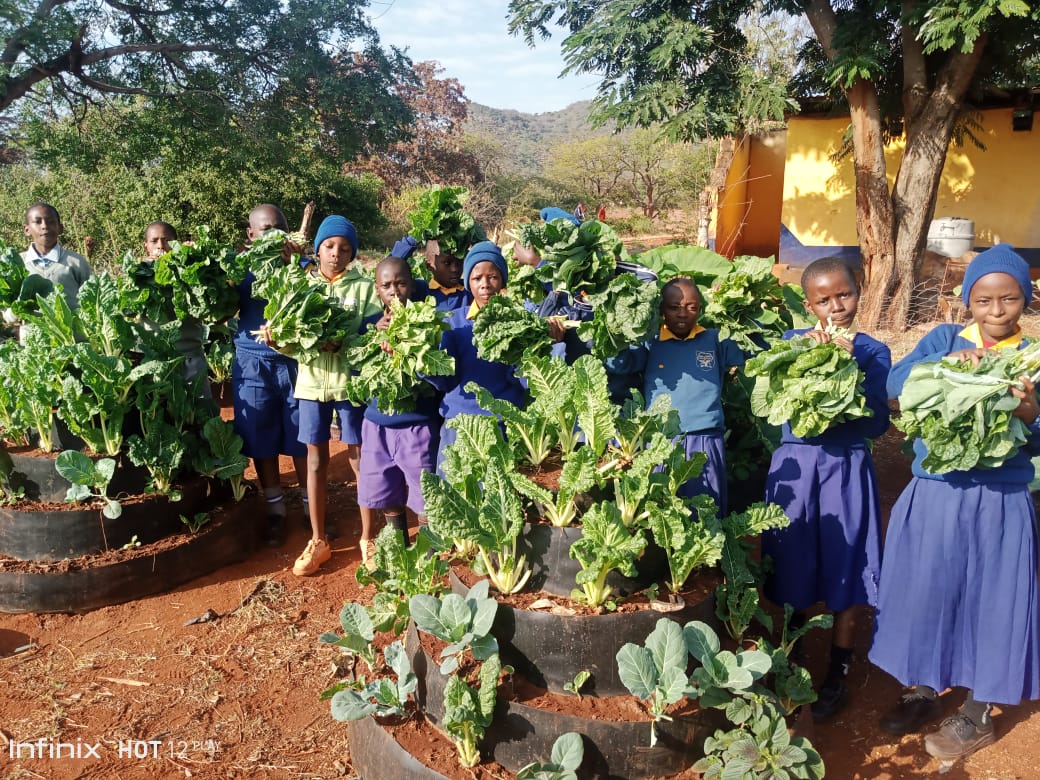
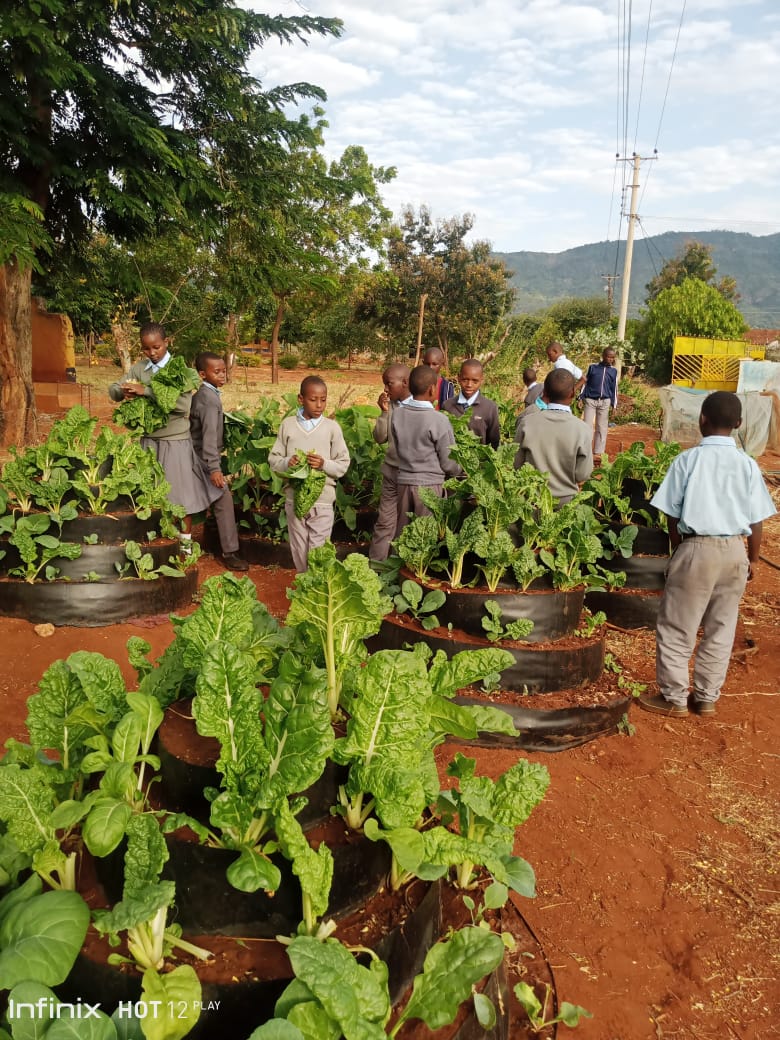
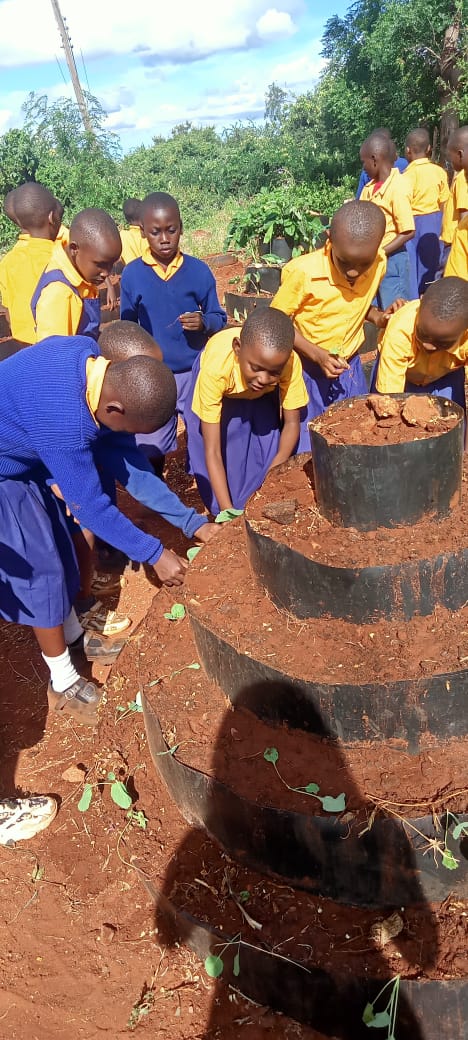
Walking through Mkwachunyi’s compound today, the impact of the 4-K Club is impossible to miss. Rows of kales, spinach, and coriander thrive in neatly arranged cone gardens and recycled containers.
The soft rustling of rabbits including Chinchilla and New Zealand White breeds echoes from nearby pens, while a sweet aroma of ripening watermelons lingers in the air.
“Our learners do not just read about agriculture, they live it. From planting seeds and tending crops to harvesting and composting with rabbit manure, the children gain real-world skills that no textbook can teach,” says James Kariuki, the club’s patron.
The club has also ventured into mushroom farming with guidance from the University of Nairobi led by Prof. Dolar Kilalo. The pupils have mastered everything from sterilization techniques to sustainable harvesting, opening their eyes to modern, profitable farming methods.
Traditional crops like maize and green grams continue to anchor their projects, and the proceeds from their harvests fund future activities. One of the club members explains stating, “We sold our green grams to a teacher and used the money to buy more seeds. Now we see that farming can also be a business.”
The 4-K Club’s efforts go beyond farming to embrace environmental conservation. With support from the Kenya Forest Service and the National Drought Management Authority, the school has planted over 300 indigenous and fruit trees, transforming the grounds into a green sanctuary.
Creative container gardens built from old tires, buckets, and sacks, showcase how waste can be turned into life-giving spaces.
The success of Mkwachunyi’s 4-K Club is rooted in community collaboration. Teachers have allocated land, built rabbit cages, and even joined students in the fields. Parents and local agricultural officers have lent their time, expertise, and resources to mentor the young farmers.
The County Government of Taita-Taveta led by Deputy Governor Christine Kilalo supported the school by fencing the farm and linking it with development partners.
Alumni like Engineer Underson Mtalaki of the Kenya Ports Authority ensured water availability by piping it from three kilometers away, an act that has changed the school’s fortunes.
The Ministry of Agriculture’s 4-K Club National Office has also provided essential tools and materials to keep the projects thriving.
“When a community owns a vision, even the harshest environment can bloom,” a local agriculture officer said.
Mkwachunyi’s 4-K Club story mirrors a larger transformation happening across Kenya. Since its revival, the 4-K Clubs Programme has reached 2,749 schools, engaging approximately 230,000 learners nationwide.
The clubs focus on five thematic areas of agricultural projects: agri-nutrition, environmental conservation, STEM (Science, Technology, Engineering and Mathematics), and civic engagement.
Every year, learners participate in the 4-K Clubs Presidential Award Scheme, which celebrates innovation, leadership, and agricultural excellence.
For schools like Mkwachunyi, this platform not only encourages healthy competition but also showcases the creative potential of young minds.
At the end of a school day, Mkwachunyi’s 4-K Club members gather around meals made from their own garden’s produce including spinach, kales, and rabbit stew. Their laughter echoes with pride, but beneath it is a deeper sense of purpose which is learning to grow food, solve problems, and secure their future.
Looking ahead, the club plans to expand into poultry farming and introduce value-addition techniques to increase the profitability of their produce.
Mkwachunyi Primary’s 4-K Club is more than just a school project. It is a living testament to how education, when rooted in practical skills and community support, can empower children to become not only farmers but also future leaders and change-makers.