
Over 5,000 Kenyans certified through recognition of prior learning programme
CHRIS MAHANDARA-KNA
More than 5,000 Kenyans have received certification from recognized institutions through the Recognition of Prior Learning (RPL) programme.
This achievement comes a year after the RPL Pol icy was enacted in March 2024, paving the way for millions of Kenyans with experience and compe tencies acquired outside traditional classrooms to gain national recognition.
The initiative, spear headed by the Directorate of RPL within the State Department for Technical and Vocational Education and Training (TVET), is designed to validate and accredit the skills of in dividuals working in the informal sector, who have long been overlooked by the formal education sys tems.
RPL Director Stanley Maindi said through the policy, the government is working with National Polytechnics to carry out assessments and issue certificates at different levels to eligible Kenyans.
He said the institutions have been tasked with evaluating candidates based on their practical competencies and knowl edge, aligning them with the National Qualifications Framework.
This, he said, is in line with the Bottom-up Eco nomic Transformation Agenda (BETA), which aims to ensure those at the bottom are empowered through the certification to get formal employment or bargain for better perks.
“The certificates we are issuing through RPL are the same as those issued to those who go through the formal education system. The goal is to ensure that Kenyans with skills and competencies but did not get a chance to go to class are assessed and awarded certificates which they can even use to advance their studies,” he said.
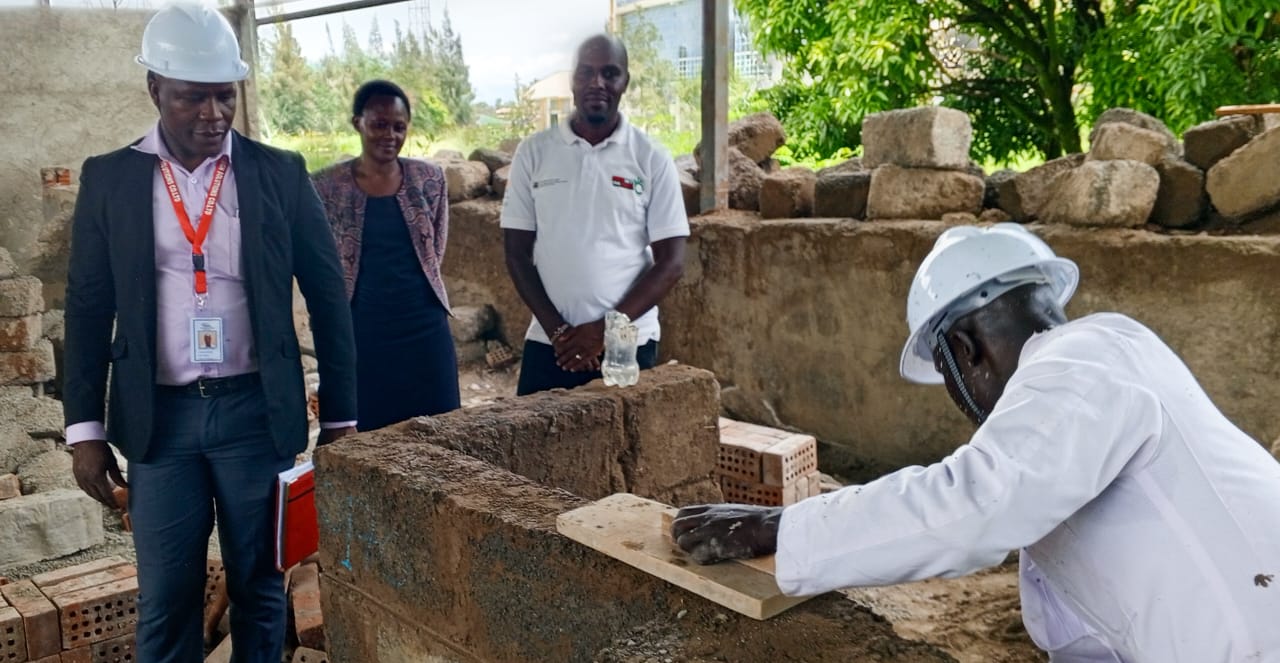
Speaking at the Kisumu National Polytechnic where certification assessments are currently underway, Maindi underscored the importance of the programme in unlocking new economic and professional opportunities.
“Kenya continues to receive requests for workers with different skills to work abroad. Like recently, there was a request for meat cutters to go and work in slaughterhouses.
Since we do not have such a course in our formal education system, we are now able to look at the skills required and assess individuals working in the sector so that we give them certificates to take up the job offers,” he said.
He added that through partnerships with development partners, the Directorate has trained its eyes on the 15 million Kenyans working in the informal sector to ensure they are assessed and certified.
The campaign, he said, targets food and bever age, masonry, carpentry, building and construction, CCTV technology, electrical installation, solar PV installation, electrical alarm system technology, engine technology, auto body repair and spray painting, fashion design and fisheries technology.
“The candidates are assessed not just on what they know, but on what they can do. The assessment is both oral and written because some of the candidates cannot write.
"Where need be, we do oral tests in their mother tongue. This approach ensures that cer tification is truly reflective of their real-world abili ties,” Maindi added.
He said to ramp up the programme, officers from the RPL Directorate would be making onsite visits targeting govern ment programmes and institutions where a good number of Kenyans in the informal sector have been engaged.
“We are targeting the Affordable Housing Pro gramme, County Inte grated Markets and Blue Economy projects. Our plan is to engage the con tractors so that we assess those working with them and issue them with cer tificates,” he said.
Maindi said the minimum cost for exercise is Sh5,500 for those visiting the various institutions awarding the certificates. T his, however, was likely to vary depending on the nature of tests under taken, he said.
“When they come to an institution like Kisumu National Polytechnic for example, there are costs involved. For example, if it is electrical installation, the institution must buy the materials required for the tests. So, the cost can go beyond Sh5,500,” he explained.
Maindi urged Kenyans in the informal sector to take advantage of the in itiative and take up the tests to secure certificates. He said beneficiaries of the programme have al ready begun to experience the ripple effects of formal certification.