
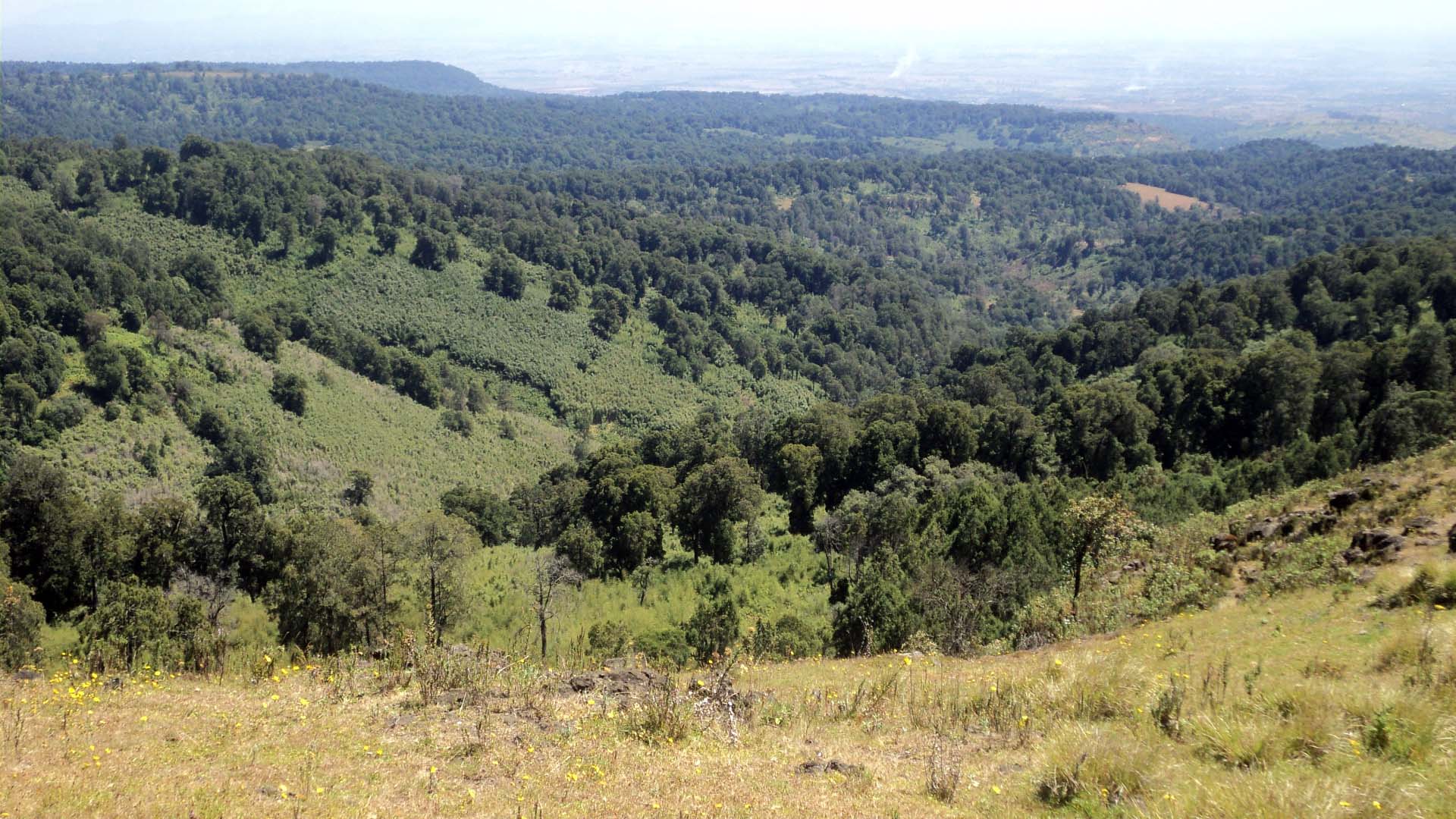
Bomet proposes Chepalungu Forest to be a wildlife sanctuary
Nickson Terer-KNA
The Bomet County Government has officially submitted a request to the national government to consider designating Chepalungu Forest as a wildlife sanctuary, a move aimed at restoring the ecosystem, promoting tourism and wildlife conservation in the area.
Speaking at Chepalungu, the Wildlife Conservation Secretary in the State Department of Wildlife, Dr. John Chumo, said the county government had sought approval from the State Department of Wildlife to introduce friendly wild animals into the forest.
“We have provided the county government with clear guidelines to ensure they meet all necessary regulations before approval. Once everything is in place, we plan to introduce friendly wildlife species such as antelopes, zebras, and giraffes to the forest, creating a balanced ecosystem that will support both conservation and eco-tourism,” Dr. Chumo said.
Dr. Chumo said the proposal was being processed in partnership with key agencies, including the Kenya Wildlife Service (KWS), Wildlife Research and Training Institute (WRTI), Kenya Forest Research Institute (KEFRI), and Kenya Forest Service (KFS).
“This means that soon, Chepalungu will be a wildlife sanctuary, which will significantly boost economic activities in the region. So far, they have met the minimum requirements, such as ensuring the availability of adequate forage area and sufficient space for wild animals,” he observed.
Dr. Chumo stressed the importance of formal agreements among stakeholders, noting that it was the KFS that managed the forest.
“KWS will be responsible for bringing in wild animals, KFS will provide the land, and the county government will develop the eco-tourism sector. This should be a win-win situation for all three entities,” he said.
Bomet County Executive Member in charge of Environment, Natural Resources, and Climate Change, Julia Chepkuto, welcomed the initiative, saying it would create new economic opportunities for the local community.
“The creation of a wildlife sanctuary here will open new economic opportunities for our people. Eco-tourism will create jobs, attract investors, and enhance conservation efforts,” Chepkuto said.
Dr. Chumo also encouraged other counties to establish wildlife sanctuaries to support conservation and economic development. He highlighted that the ongoing national wildlife census by WRTI would help determine the number of animals available for translocation.
“Once the census report is out, we will use the data to translocate some wild animals, including to Chepalungu Forest. It is essential to have accurate numbers before establishing new sanctuaries," he noted.
The announcement was made during a tree-planting exercise at Chepalungu Forest, carried out in partnership with the Bomet County government.
Dr. Chumo reaffirmed the State Department of Wildlife’s commitment to the national goal of planting 15 billion trees to combat deforestation and climate change.
According to Chumo, the State Department of Wildlife and Environment has been assigned a target of planting 100 million trees in the country over the next decade, translating to planting 10 million trees annually.
The initiative to transform Chepalungu Forest into a wildlife sanctuary marks a significant step toward conservation, tourism growth, and sustainable economic development in Bomet County.