

KPA remits Sh10.6bn dividends to Treasury
Patrick Amimo-PCO
The Kenya Ports Authority (KPA) has paid a record Sh10.6 billion in dividend to the National Treasury, thanks to a stellar performance during the 2023/2024 Financial Year.
KPA also recorded operational growth during the same period. The Authority paid Sh10.576 billion in dividends, a sharp increase from Sh3.341 billion in the previous year.
Pre-tax profit also rose steadily from Sh16.642 billion to Sh17.284 billion, reflecting KPA’s solid financial performance.
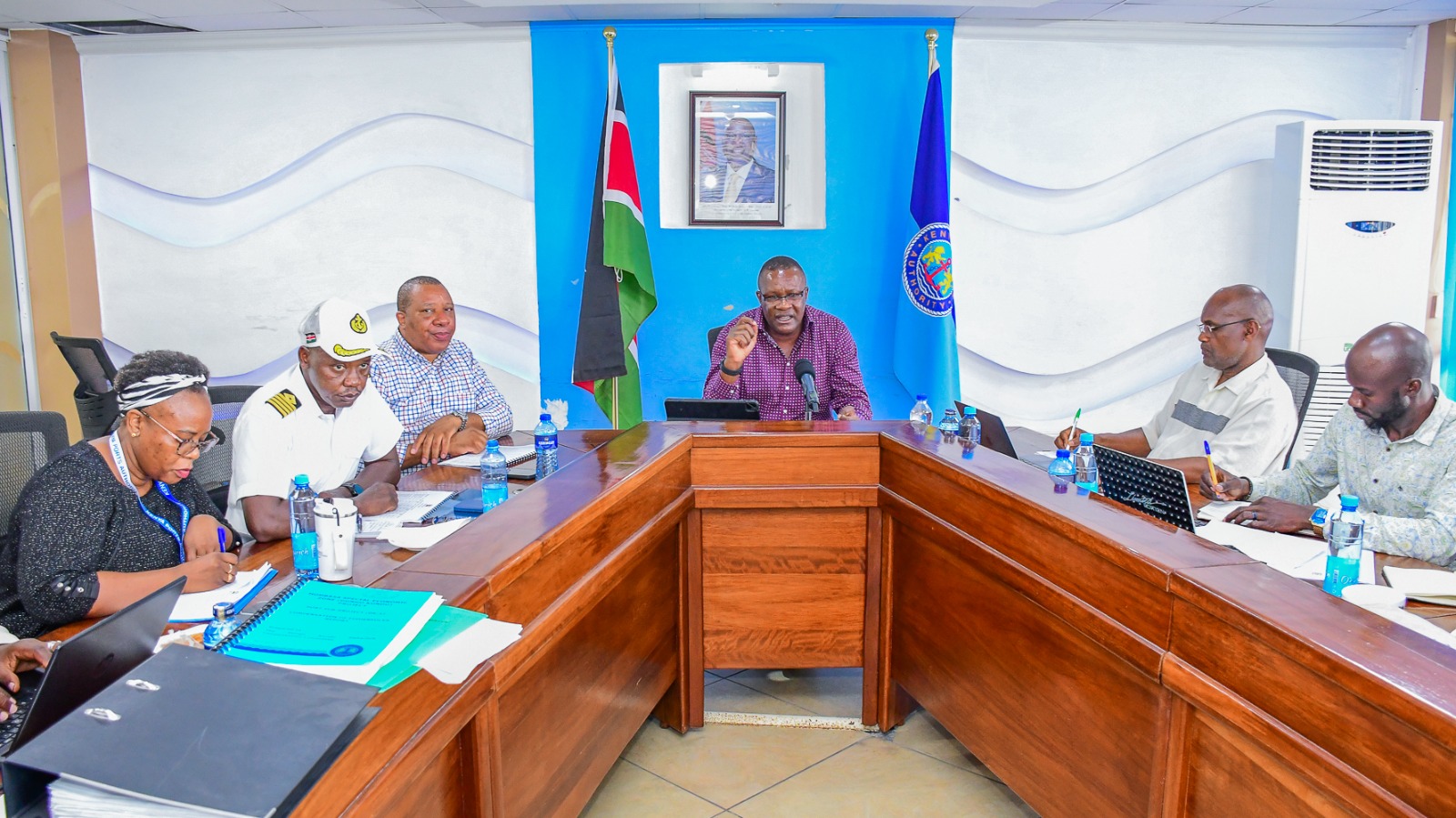
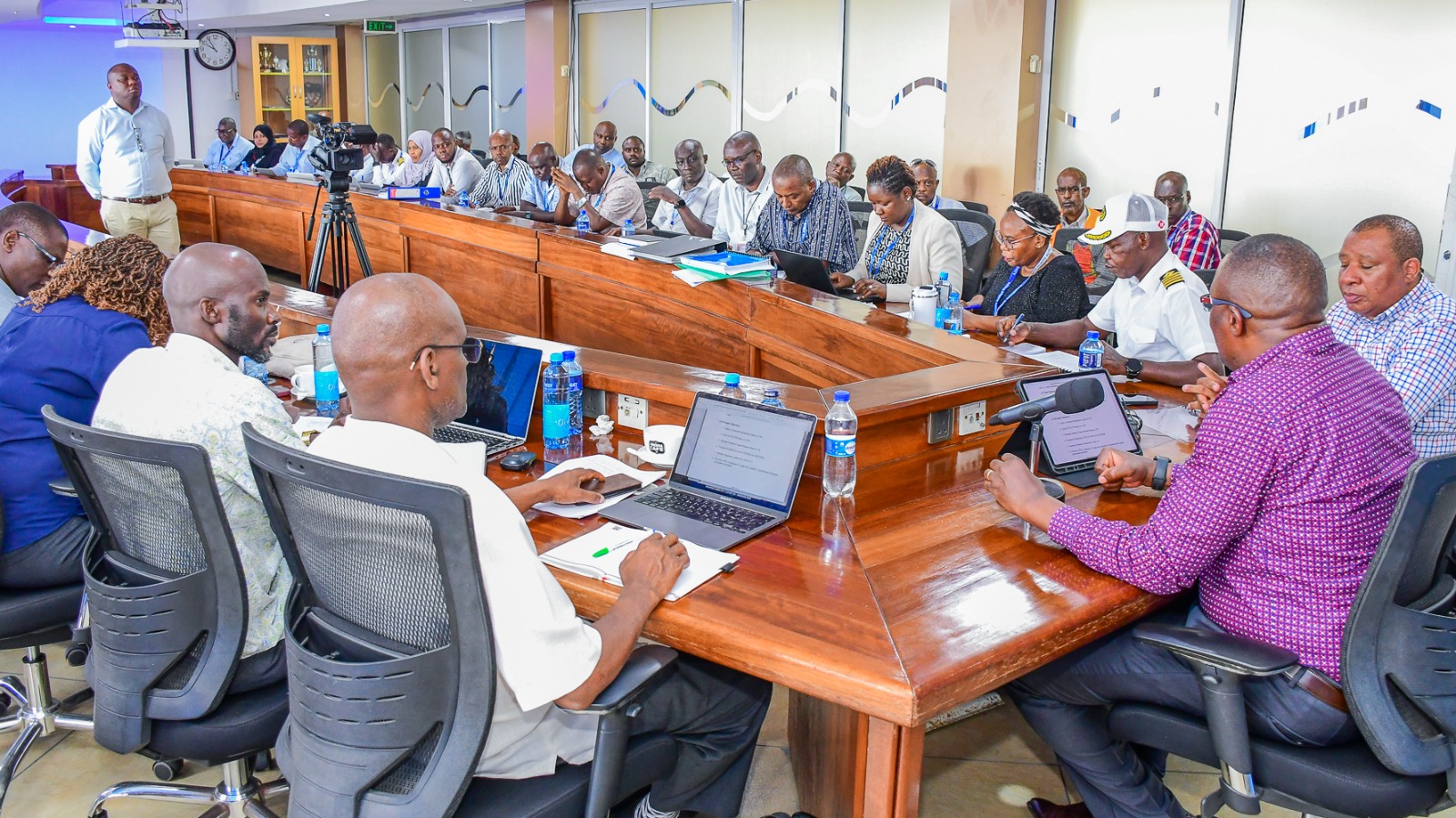
The positive financial outcomes were highlighted during a performance review exercise overseen by Deputy Chief of Staff Mr. Eliud Owalo, who was accompanied by the Performance Unit Principal Administrative Secretary Mr. Joshua Mwiranga.
The performance was achieved despite “persistent” operational challenges stemming from the lack of coordination with other state agencies who use the port and operational inefficiency linked to external stakeholders.
“Most of the issues affecting us, especially in operations, stem from other stakeholders and government agencies that we are supposed to collaborate with. If we can establish a seamless operation with these agencies, many of the performance challenges we face will be resolved,” Mr. Benjamin Tayari, the KPA Chairman, said.
The Authority called for a reconsideration of the performance evaluation criteria, suggesting that external factors beyond their control, like the effectiveness of other agencies, should be factored in. This would ensure more accurate assessments of their performance and potential solutions to streamline port operations.
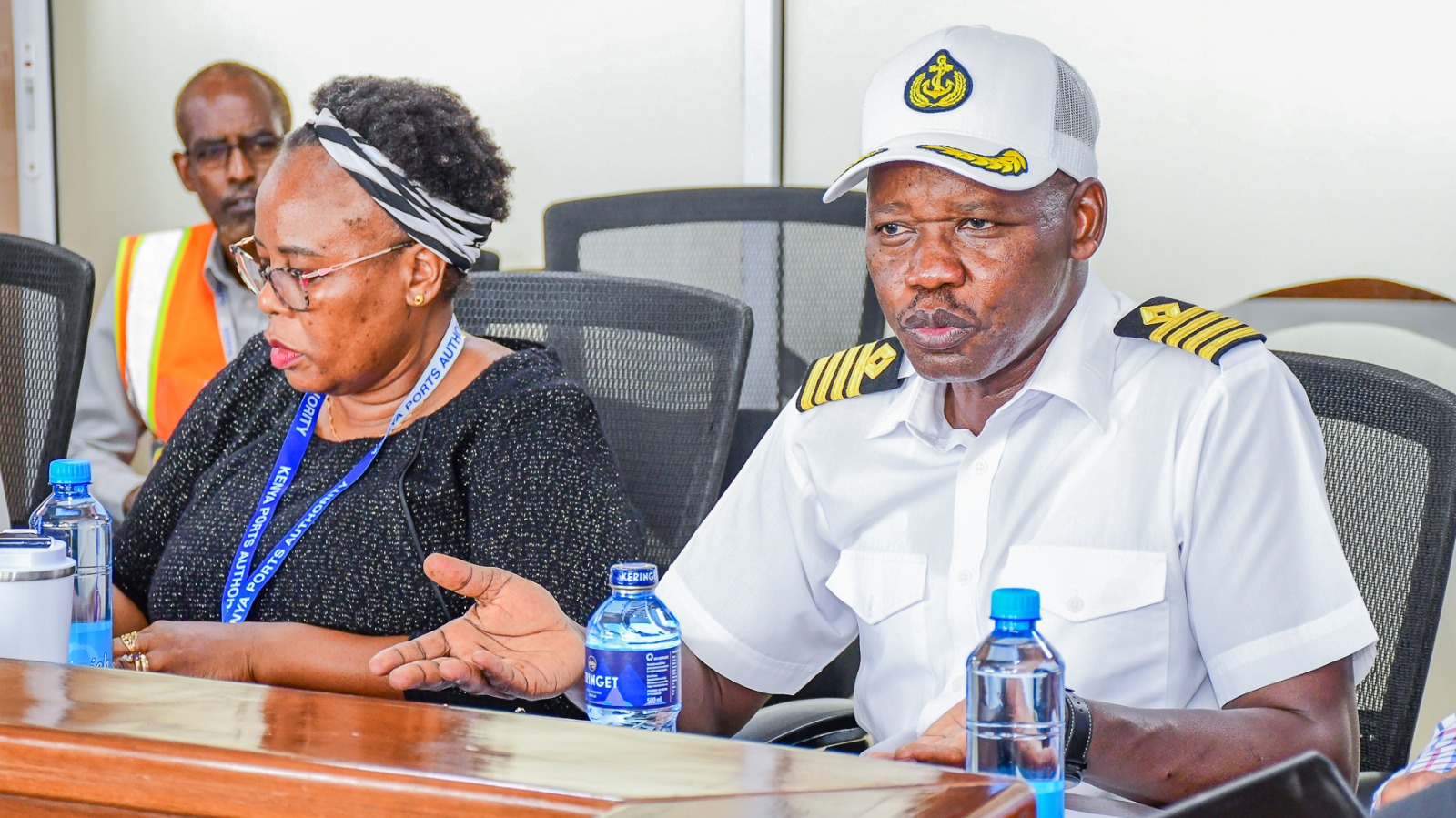
KPA Managing Director, Capt. William Ruto, said delays in cargo handling and truck turnaround times often stem from other government agencies, clearing procedures, and other inefficiencies at checkpoints.
“We have other agencies that are supposed to support us, but they can sometimes derail our operations. We recommend that, moving forward, the evaluation criteria should be adjusted to capture issues that are outside our control,” Capt. Ruto said.
For instance, while the truck turnaround time is supposed to be three hours, delays can occur when trucks arrive, and other agencies need to handle the goods but there are issues such as non-functioning scanners.
“Therefore, we would like to see future evaluations consider the commitment of these institutions and the external factors that also affect our performance,” he said.
On his part, Mr. Owalo said a comprehensive legal framework would soon be in place to ensure that all public institutions justify their existence and meet their mandates effectively.
According to Mr. Owalo, the Draft Performance Management Bill will require government organizations to demonstrate tangible results in line with their specific mandates. The Bill, once enacted into law, will hold entities accountable by making performance appraisals legally enforceable.
"Organizations must justify their existence in line with their mandate. To augment this process, we are going to anchor performance evaluation and performance management into law," Mr Owalo emphasized.
“We don’t want a situation where certain organizations don’t deliver on their mandate, and it negatively impacts the performance of other organizations,” Mr. Owalo said.
"The legal framework will ensure that any agency failing to meet its objectives will face consequences, while high-performing entities will be recognized and rewarded," he said.
A key feature of the proposed new performance management structure will be the introduction of Service Level Agreements (SLAs) between government agencies.
For example, the Kenya Ports Authority (KPA), which oversees a range of port operations, will be expected to establish clear SLAs with other government agencies that interact with the port infrastructure, ensuring timely and effective service delivery.
“Moving forward, we will ensure that we have service level agreements between Kenya Ports Authority (KPA) and other sister organizations which are also involved in the operations of the port so that each organization meets its obligations within the stipulated timelines.
“We will ensure that we have a multiplicity of players like government agencies. These government agencies will have to enter into service level agreements.
"This will facilitate efficiency and effectiveness in service delivery so that each entity is committed to meeting timelines,” Mr. Owalo said.