
State’s push for electricity connectivity to stem rural migration gathers momentum
Daniel Irukan-PCO
Kenya’s rural to urban migration trends have been on the rise despite interventions and developments like devolution amongst many measures.
One of the critical game-changers that could buck this trend is electricity connectivity.
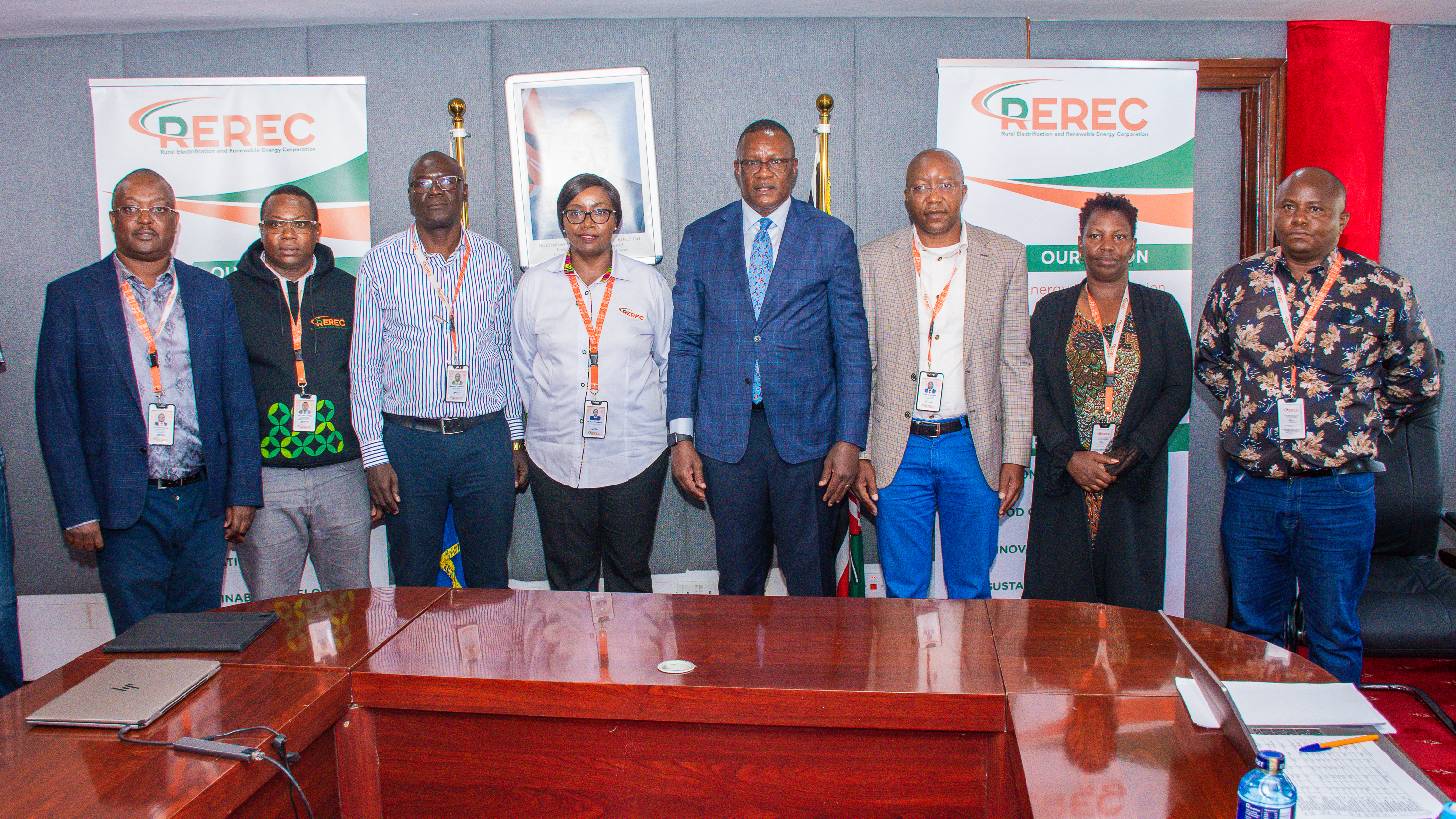
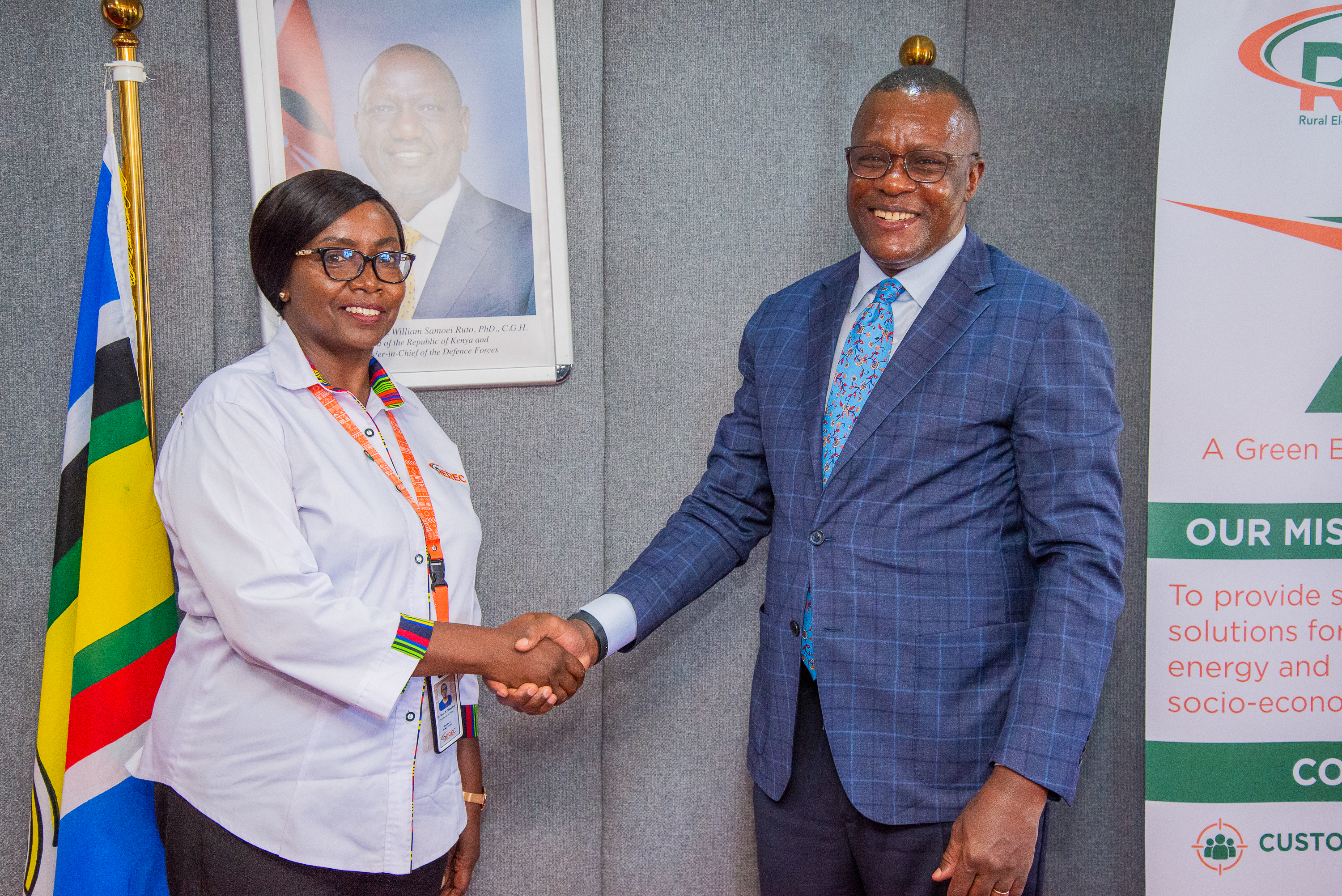
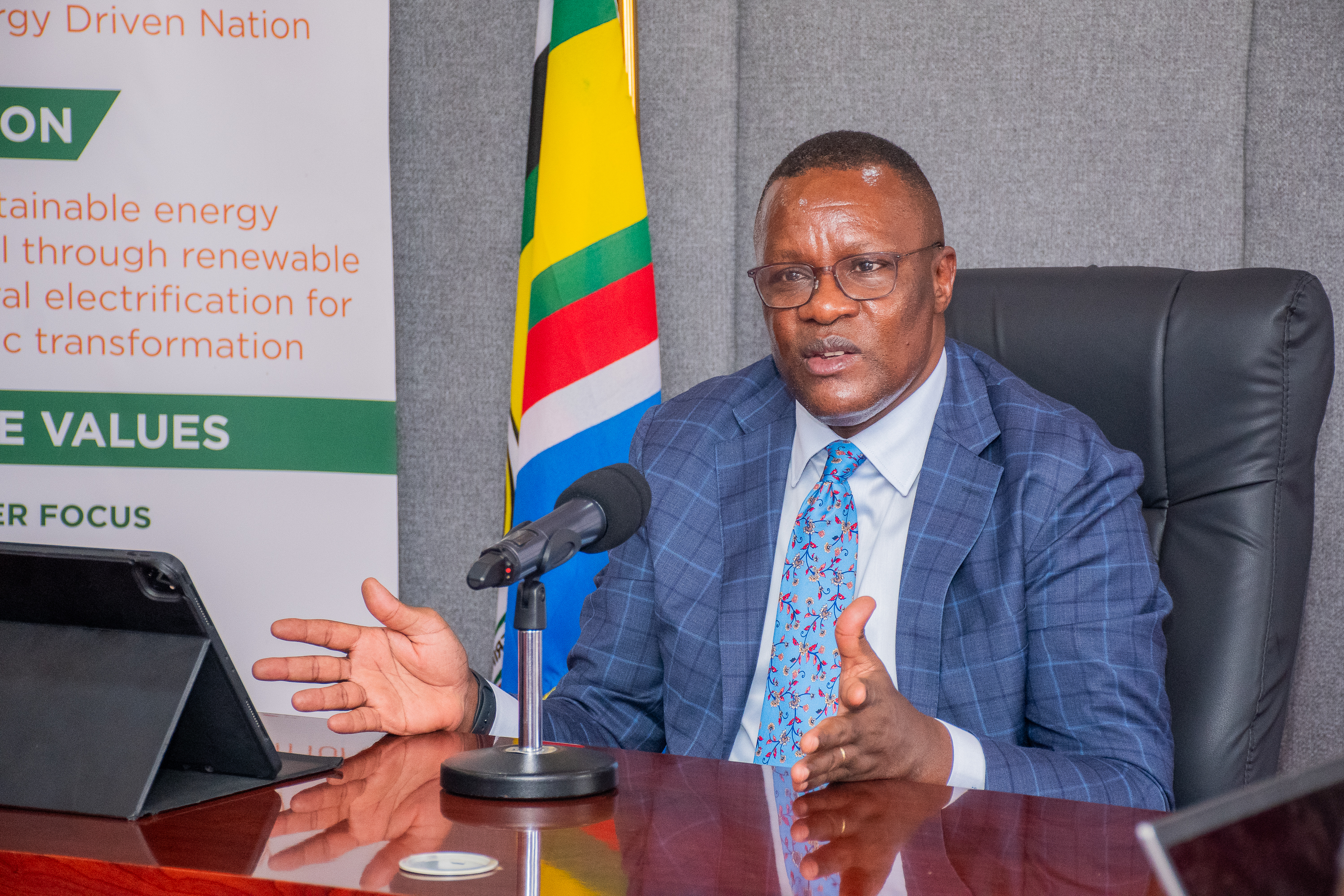
Rural electrification is a force multiplier in the creation of jobs at the grassroots, in effect stopping the tide of rural to urban migration, said Eliud Owalo, the Deputy Chief of Staff, Performance and Delivery Management.
“Last mile connectivity is in line with our Bottom-Up Economic Transformation Agenda which targets to improve the lives and livelihoods of those at the bottom of the pyramid.
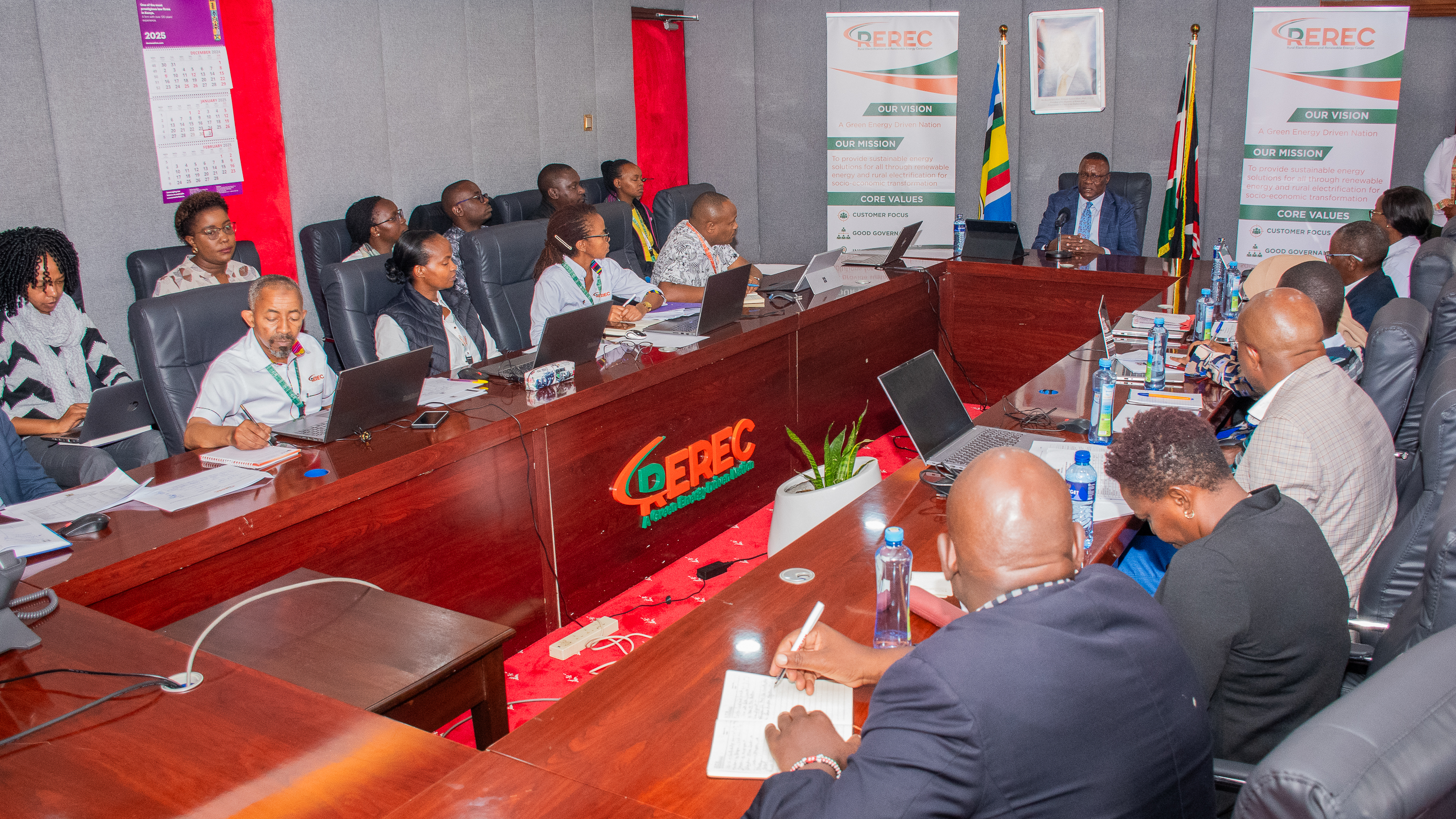
“Access to electricity creates jobs at the grassroots and thereby reduces the phenomenon of rural to urban migration,” Mr Owalo said during the commencement of performance evaluation for the year 2023-2024 by the Public Service Performance Management Unit (PSPMU) in Nairobi.
Amongst the Rural Electrical and Renewable Energy Corporation (REREC’s) stated targets are the development and promotion of renewable energy and the enhancement of electrical connectivity.
“The government takes this exercise very seriously, and public institutions must justify their existence. We want this framework cascaded all the way down and those institutions that exceed expectations shall be rewarded and those that do not, sanctioned.” Owalo added.
According to REREC’s Chief Executive Officer Dr Rose Mkalama, the institution has embarked on a strategy of enhancing electrification through collaboration with counties and constituencies.
In the formula dubbed “shilling for shilling” matching strategy, the Corporation shares the cost of electrification equitably with either the county or NGCDF.
This means REREC in this strategy meets half the cost of the undertaking with the other party taking the balance.
This way, more projects can then be accomplished, contributing to the over-arching government strategy of attaining universal access to electricity by the year 2030, the CEO observed.