
Egypt and Kenya deepen cooperation on trade, diplomacy, and regional stability
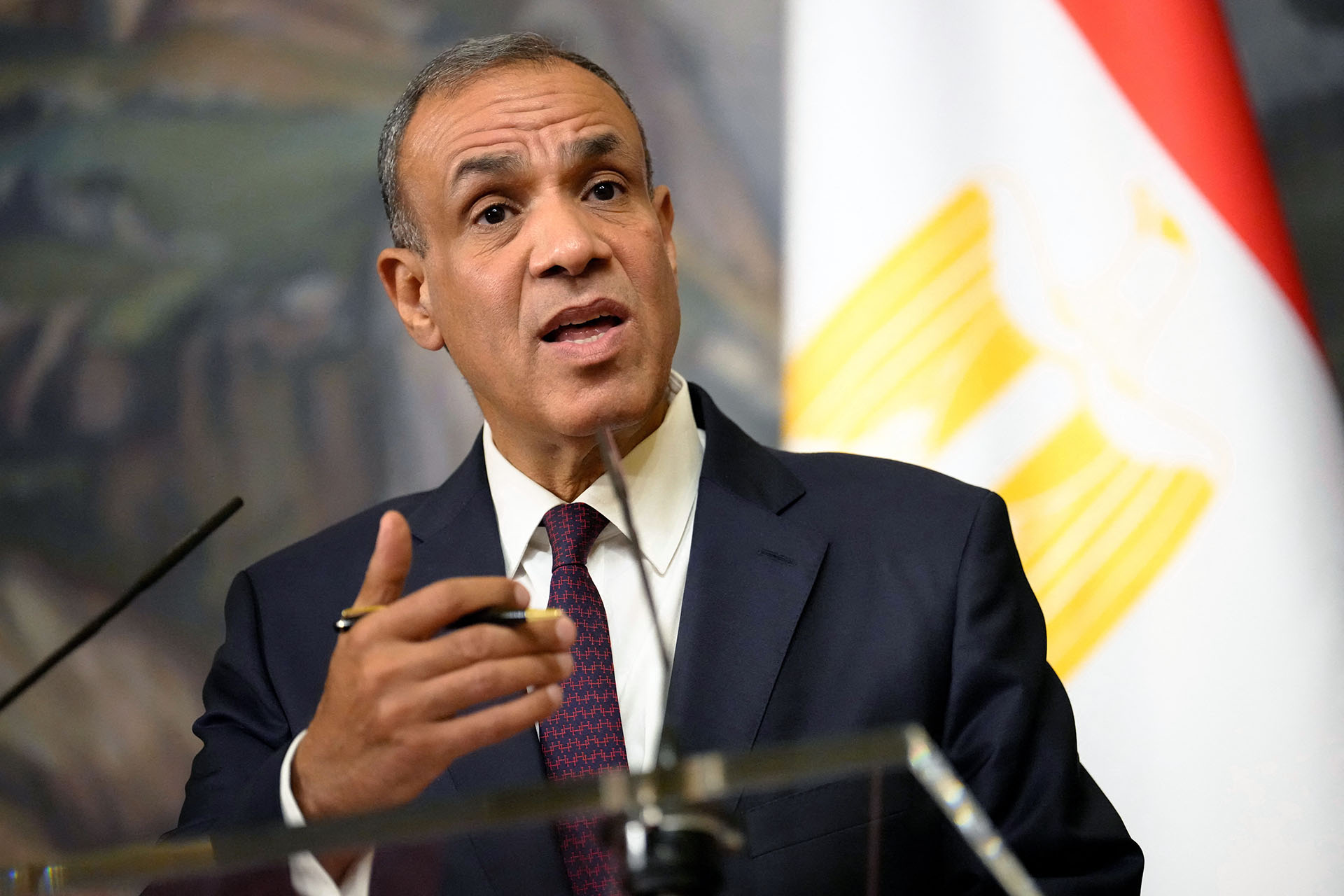
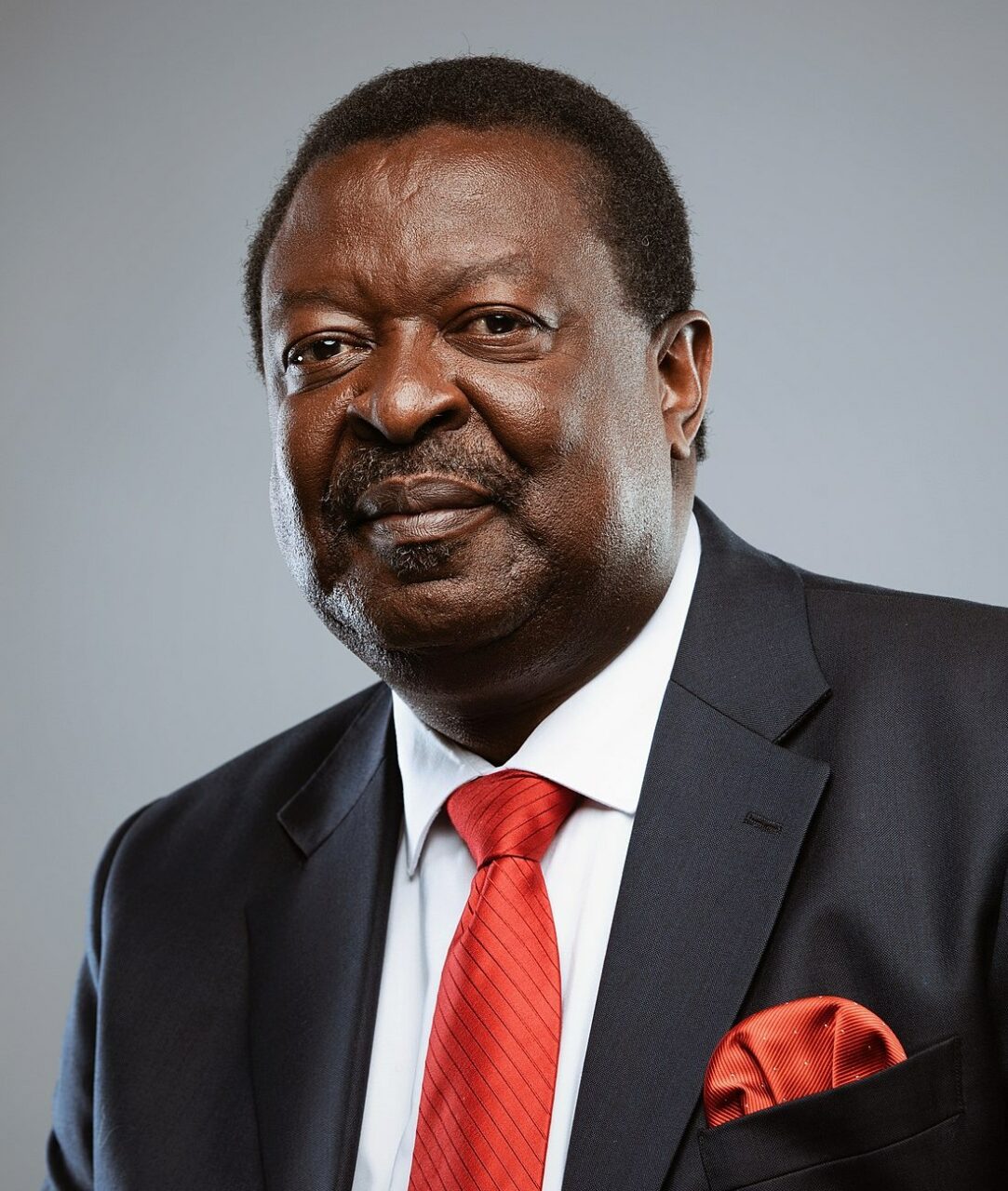
BY DR. MUSALIA MUDAVDI AND DR BADR ABDELATTY
H.E. President William Samoei Ruto’s recent visit to Cairo marked the first state visit by a Kenyan President and com memorated six decades of bilateral diplomatic ties.
The visit featured the signing of several agreements for political consultations, investment cooperation, and sustain able development. Kenyan and Egyptian ties date back to pre-colonial times, facilitated by trade routes connecting Africa, the Middle East, Europe, and Asia.
Egypt’s location along the Nile River and Kenya’s access to the Indian Ocean have positioned both nations as integral players in ancient commerce and cultural exchange.
Egypt and Kenya share more than just geographical proximity and an eternal bond to the African continent. The two nations also cooperated to achieve their common vision of an Africa free from colonialism.
It is well-known that Egypt extended support to Kenya’s struggle for independence on several occasions. Furthermore, “The Voice of Africa,” the first radio station broad casting in Kiswahili, was launched in Cairo.
Leaders such as Oginga Odinga, Tom Mboya, and James Gichuru sought refuge in Egypt, with some even being granted Egyptian diplomatic passports to promote the Kenyan cause for independence globally after the colonial powers rescinded their travel documents.
Egypt’s support for Kenya’s liberation went beyond its government. The Orthodox Church of Alexandria also advocated for Kenya’s independence, with clergy at the Holy See of St. Mark being detained for delivering anti-colonial ser mons.
Additionally, the Kenya African National Union (KANU) and the Kenya African Democratic Union (KADU) opened offices in Cairo during that period.
Given this history, it is understandable why Kenya chose to establish its diplomatic mission in Cairo shortly after independence, second only to its embassy in London.
Over the past six decades, mutual solidarity has shaped the relation ship between Nairobi and Cairo. Despite challenges such as terrorism, instability, and climate change, the two nations continue to work together to address regional political priorities, advance continental stability and development, and serve the interests of Africa and the Global South.
They are also collaborating to promote inclusive economic development, peace, and stability across Africa. Both countries share a vision of African unity, striving to overcome historical in justices and secure Africa’s rightful place in the world.
This vision can be realized through conflict resolution, counterterrorism efforts, promoting intra-African trade, mobilizing resources, improving institutions, and leveraging African potential for sustainable development and modernization.
Egypt and Kenya are actively collaborating to mediate conflicts and restore peace in Africa. Their economic cooperation is a model for African integration, with bilateral trade reaching USD 600 million in 2023 and a nine percent increase in the first half of 2024.
Egypt is Kenya’s second-largest importer of goods and its tenth-largest trading partner. The two sister-countries aim to expand cooperation in areas such as information and communication technology, water management, land reclamation, manufacturing, pharmaceuticals, health services, renewable energy, infra structure, urban development, and maritime affairs.
President Ruto’s state visit has set the stage for numerous bilateral agreements aimed at expanding their cooperation and attracting more capital investments and job opportunities.
Egypt and Kenya are also working together to implement the African Union’s “Agenda 2063: The Africa We Want” and reform the international financial system.
Their efforts are supported by their membership in the Common Market for Eastern and Southern Africa (COMESA) and regional arrangements like TFTA and AfCFTA. Cultural and educational exchanges have strengthened the relationship between Egypt and Kenya, with Egypt’s Al-Azhar offering scholarships to Kenyan students.
Tourism also serves as a bridge, with Kenyan visitors drawn to Egypt’s landmarks and Egyptian tourists admir ing Kenya’s landscapes. Egypt’s 98 universities and community colleges provide Kenyan youth with opportunities to pursue degrees, while the Egyptian Agency for Partnership for Development offers professional training courses.
With an estimated 3,000 Kenyans living in Egypt, Kenya’s Global Labour Market Strategy aims to establish bilateral labor agreements with Egypt to enable all members of the Kenyan diaspora, including diplomats’ spouses, to work.
Egyptian-Kenyan relations, grounded in shared history and strategic co operation, offer potential for mutual benefits for African nations. President Ruto’s State Visit to Egypt marks the beginning of closer ties, expanding cooperation and friendship between the two countries.
Dr Mudavadi is the Prime Cabinet Secretary and Cabinet Secretary for Foreign and Diaspora Affairs while Dr. Abdelatty is Egyptian Minister of Foreign Affairs, Emigration and Egyptian Expatriates.