
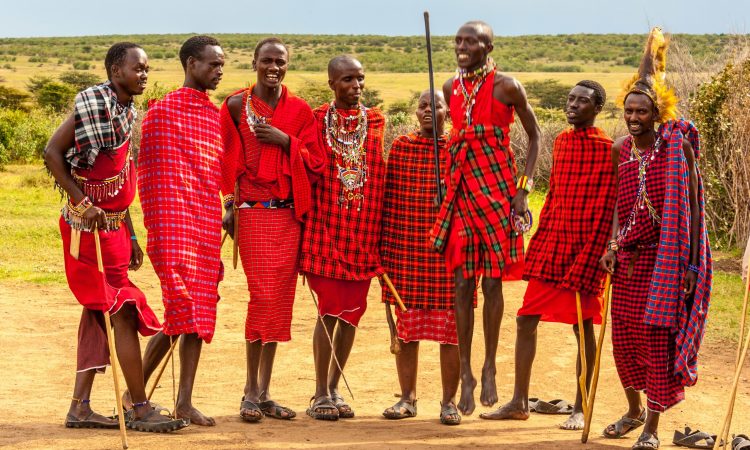
Government warns Maa and Ilchamus communities against haphazard land sales
JACQUELINE ADYANG-PCO
The government has cautioned the Maa and the minority and marginalized Ilchamus communities against haphazard sale of their ancestral land, emphasizing its importance in supporting agriculture and livestock.
Director of Minorities and Marginalized Affairs Unit, Josephat Lowoi Lodeya, asked the community to jealously protect their rich cultural heritage from further degradation, urging them to take decisive measures to halt the sale of their land.
Speaking during the Ilchamus community’s cultural event, Hon. Lowoi warned that the trend had far-reaching implications if unchecked and expressed fears that such disposals could compromise the community's economic stability and render the residents landless.
“The Maa community risks becoming squatter on its ancestral land if the trend of selling heritage continues unchecked,” he cautioned.
He underscored the intrinsic connection between land, identity, and sustainable development, emphasizing the need for deliberate action to safeguard these vital assets for future generations.
Lowoi urged the community leaders and stakeholders to collaborate in raising awareness about the significance of sustainable land management to ensure that the vital assets were retained for posterity of future generations.
“Our ancestral lands are the bedrock of our cultural identity and economic empowerment. We must adopt long-term strategies to preserve them as a legacy for posterity,” he stated.
Addressing an audience of over 10,000 participants, including government officials, community leaders, elders, 7,000 warriors graduating to Morans, and residents, Lowoi reaffirmed the government’s unwavering commitment to preserving the cultural and economic integrity of marginalized communities.
The event was marked by the Ilchamus community's decade-long Lmuget Ceremony, a significant cultural occasion that celebrated the rich heritage of the Maa people.
This year’s ceremony comes after the circumcision graduation of nearly 7,000 boys from the Ilmeidurieki Age Set, signifying their transition into adulthood.
Traditional dances, blessings from elders, and thought-provoking speeches formed the backbone of the cultural celebration, underscoring the enduring resilience and unity of the community.
In addition to cultural festivities, the event served as a platform to discuss critical community issues, including land preservation, cultural identity, and socio-economic development.
Lowoi emphasized the government’s dedication to fostering regional development by protecting indigenous communities and their resources.
This cultural milestone celebrated the Ilchamus people’s heritage and underscored safeguarding ancestral lands as a critical component of national development.
The Lmuget Loo nkweny Ceremony stands as a testament to Kenya’s rich cultural diversity and the potential of such traditions to promote national cohesion, tourism, and socio-economic growth.
Leaders at the event encouraged the community and stakeholders to leverage Kenya’s cultural wealth as a means of enhancing development and unity while addressing challenges facing indigenous populations.
Through these efforts, the government remains steadfast in its resolve to safeguard the rights and heritage of all communities, fostering inclusivity and sustainable development across the nation.
Among the senior government officials who attended the event were Governor Joseph Ole Lenku of Kajiado County, Governor Patrick Ole Ntutu of Narok County, Deputy Governor Eng. Felix Maiyo of Baringo County, Narok Senator Ledama Ole Kina, Principal Secretary for Tourism John Ololtuaa, Dr. Solomon Leiro, the CEO of the Kenya Water Institute (KEWI) and several members of the County Assembly.