
Kwale to promote seaweed farming among coastal communities to boost livelihoods
Hussein Abdullahi-KNA
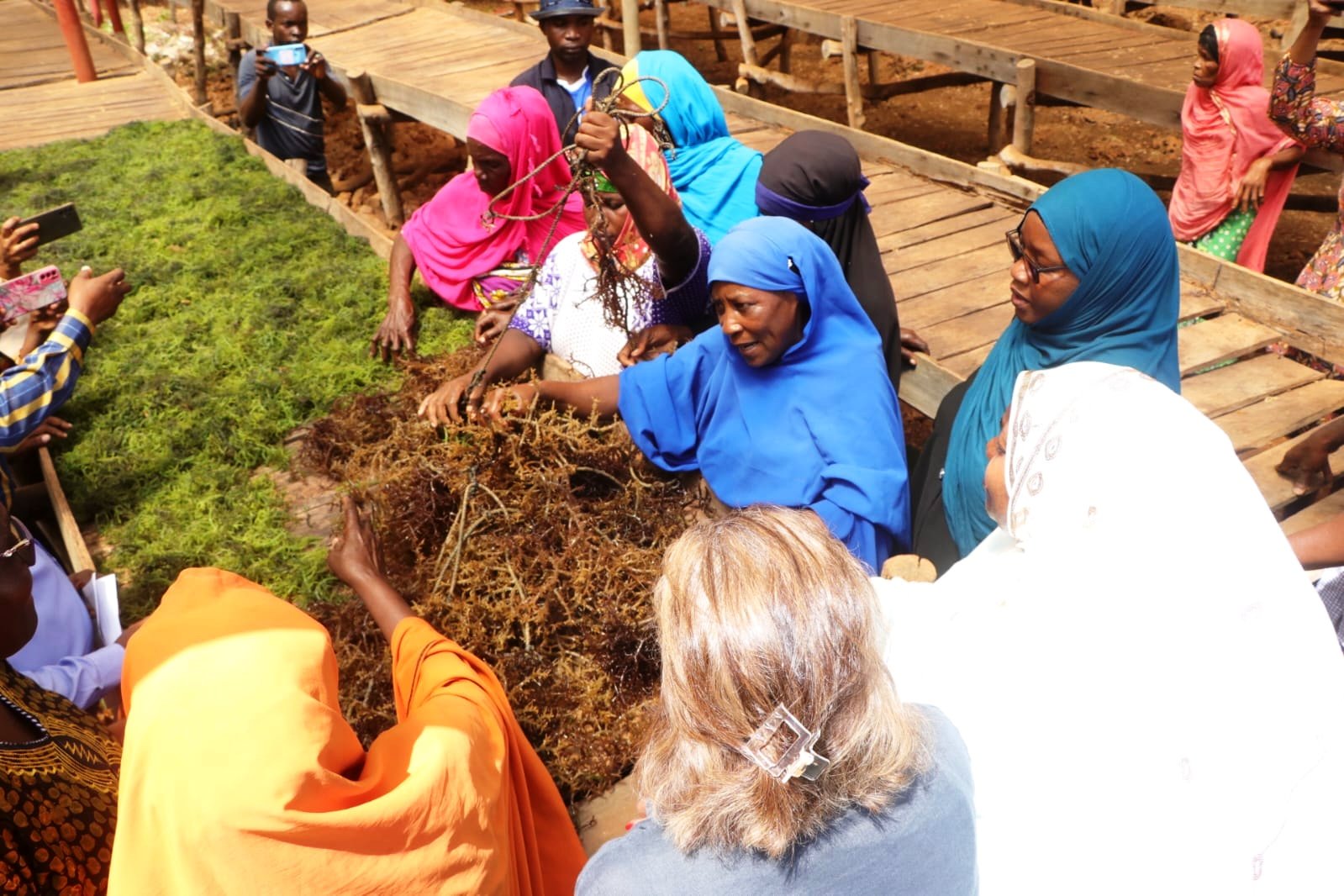
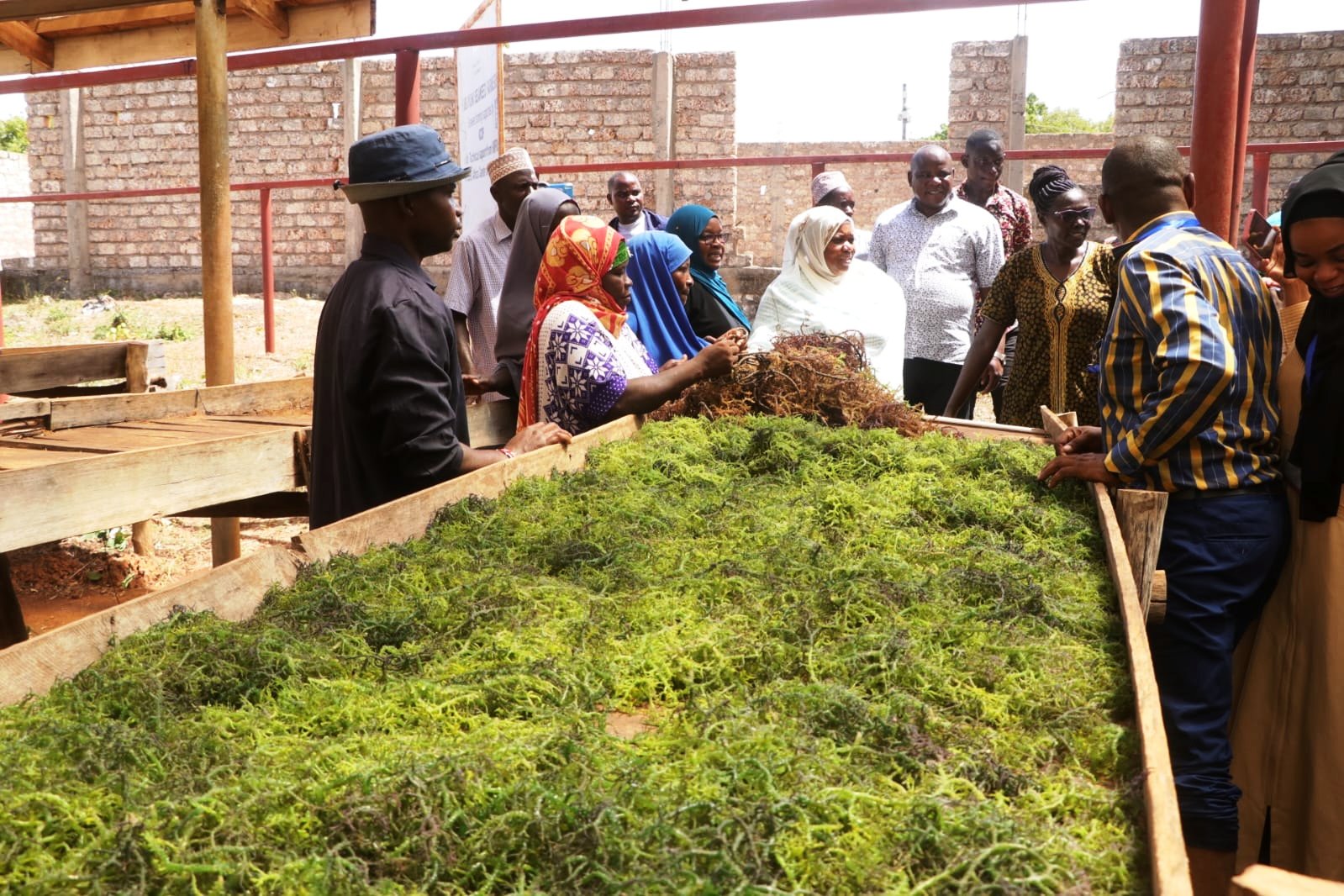
Kwale County Government is seeking to boost seaweed farming operated by coastal communities along the shores of the Indian Ocean to enhance sustainable livelihoods.
The species cultivated by these communities include red, brown, and green seaweeds for both domestic and industrial use offering profitable opportunities.
The stakeholders in the maritime industry contend that seaweed, also known as ‘climate-smart algae,’ plays an important role in the marine ecosystem as it absorbs significant amounts of carbon thus reducing ocean acidification.
Roman Shera, the County Executive Committee Member in charge of Agriculture and Fisheries says the devolved government is seeking to unlock seaweed's potential for food sustainability.
He says that the devolved government is seeking to enhance seaweed farming, through collaboration with farmers and key stakeholders to improve production and value addition.
Shera says seaweed farming is ‘Kwale’s untapped treasure’ and that efforts are underway to harness the potential of seaweed by integrating it with fisheries.
“We have been assisting local seaweed farmers, many of whom are women and we intend to intensify efforts to bolster seaweed farming and empower coastal communities," he said.
Addressing farmers at a restorative of seaweed aquaculture for livelihood diversification forum, Shera said that the seeds have been gaining global recognition as a wonder plant of the ocean that supports marine biodiversity by acting as breeding and feeding grounds.
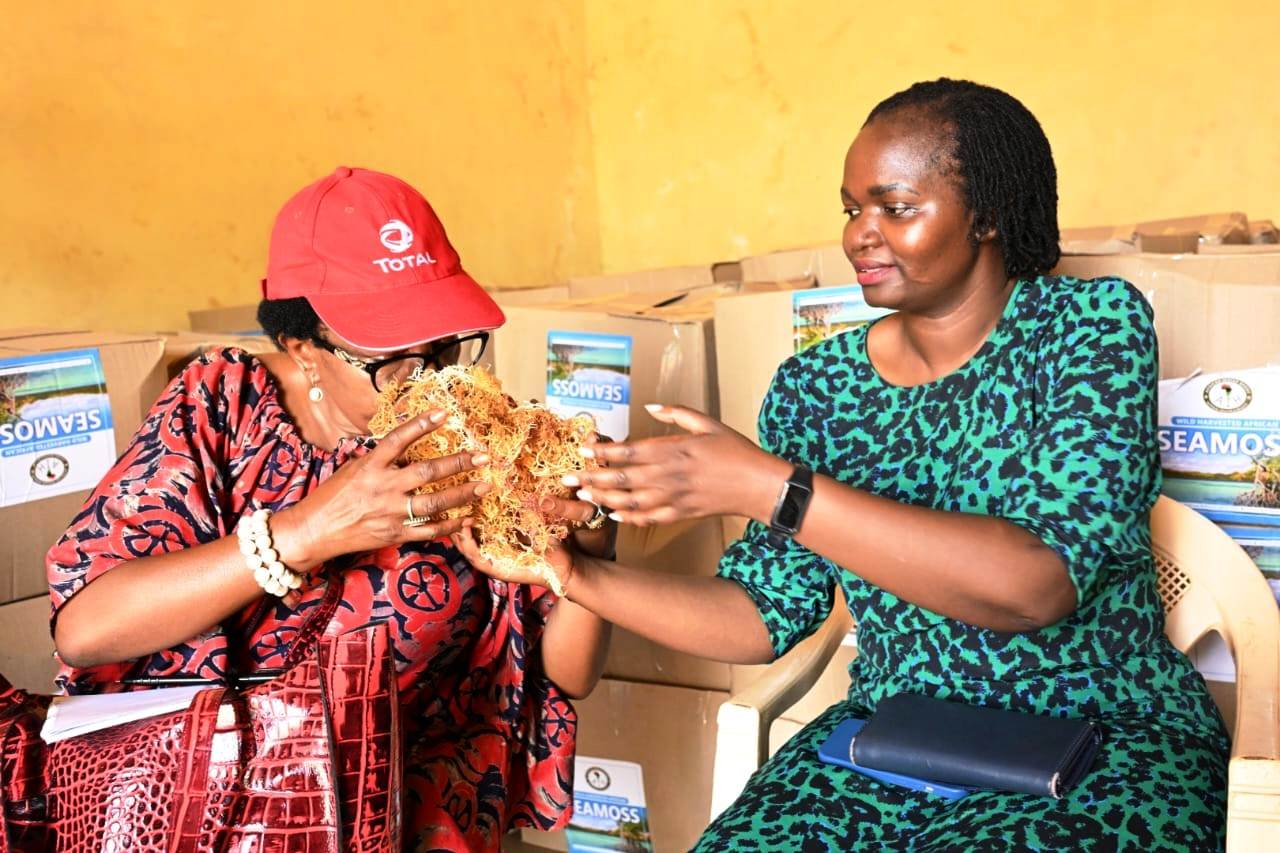
He, however, noted that people are unaware of seaweed's commercial and ecological value and underscored the need to raise awareness of its uses and benefits. For instance, seaweed has the potential to be an animal feed and a packaging replacement for plastics that pollute the marine ecosystem. The extracts from dried seaweed can also be used in the cosmetic and pharmaceutical industries, as well as soil fertilizer.
Nancy Gitonga, the CEO of the African Women Development Program, highlighted the importance of equipping seaweed farmers with knowledge and skills to boost the burgeoning seaweed industry.
Nancy says seaweed can clear and purify the sea and increase oxygen content making the environment fresher and greener besides generating new income streams for coastal communities.
“We are seeking to empower local coastal communities to adopt seaweed farming to boost livelihoods and create jobs, " she said.
Celestine Rono, Director of Corporate Services, Kenya Export Promotion and Branding Agency, assured farmers that her organization is ready to collaborate with the County to secure international markets for their produce.
“Through branding, product development, and packaging, we can link the sewed farmers to the global markets through strategic partnerships,” she said.
Celestine says they envision a situation where sea farms are operated by local coastal communities with local processing and selling products to high-value markets thus boosting incomes and fostering growth.
Seaweed farming has been identified as a good prospect for the social and economic development of coastal areas of Kwale and Kilifi counties.
Marinda Bakari, a seaweed farmer in Kibuyuni fishing village, welcomed the efforts by the County and other stakeholders to boost Kwale’s nascent seaweed industry.
“To augment our incomes and self-sufficiency from the more sporadic and unreliable fishing sector we need modern seaweed cultivation equipment and relevant technology for seaweed farming and processing,” he said.