
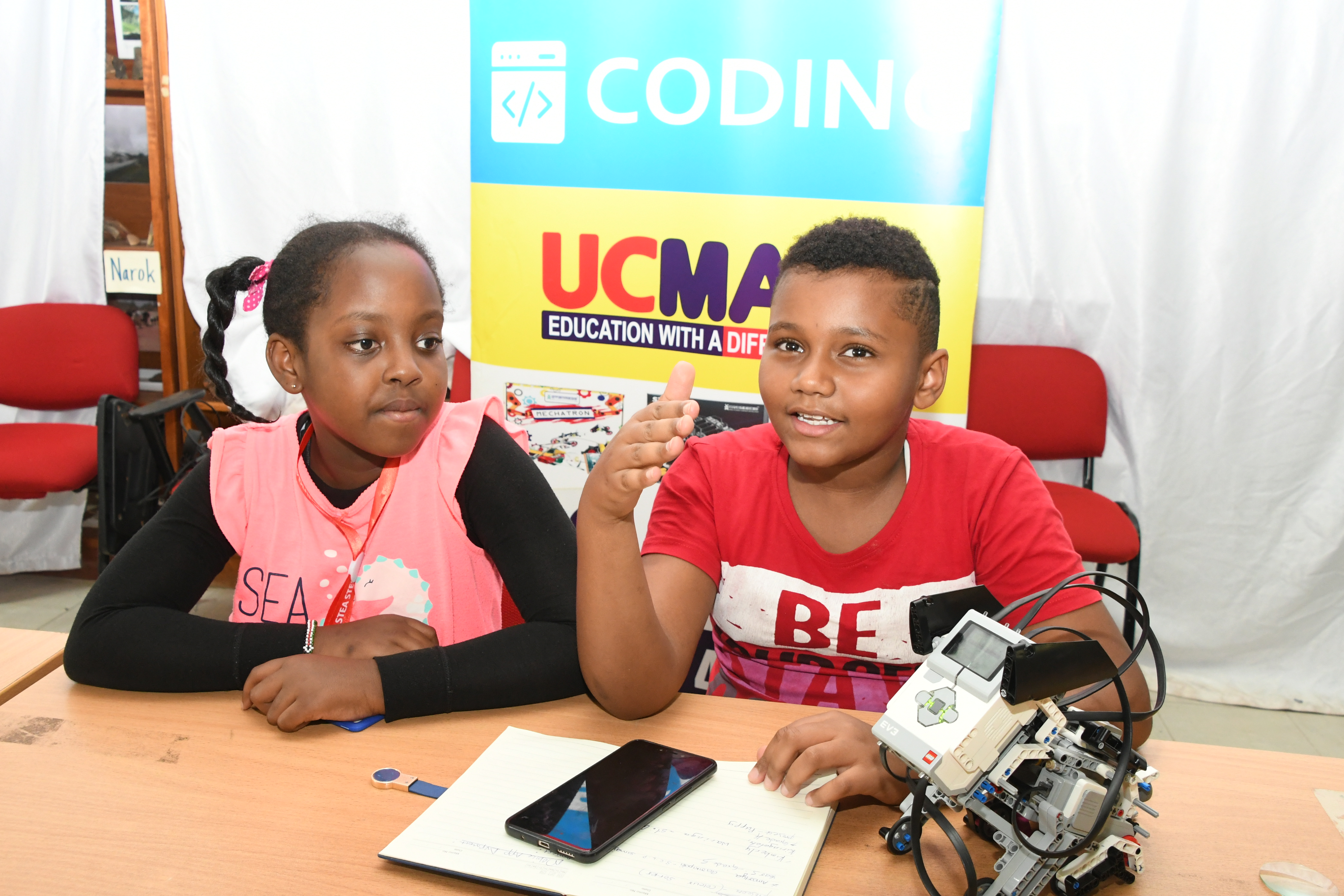
CEMASTEA nurtures STEM talents with practical innovation projects at boot camp
Ian Chepkuto-KNA
The Centre for Mathematics, Science, and Technology Education in Africa (CEMASTEA) continues to help young learners unlock their potential in science, technology, engineering, and mathematics.
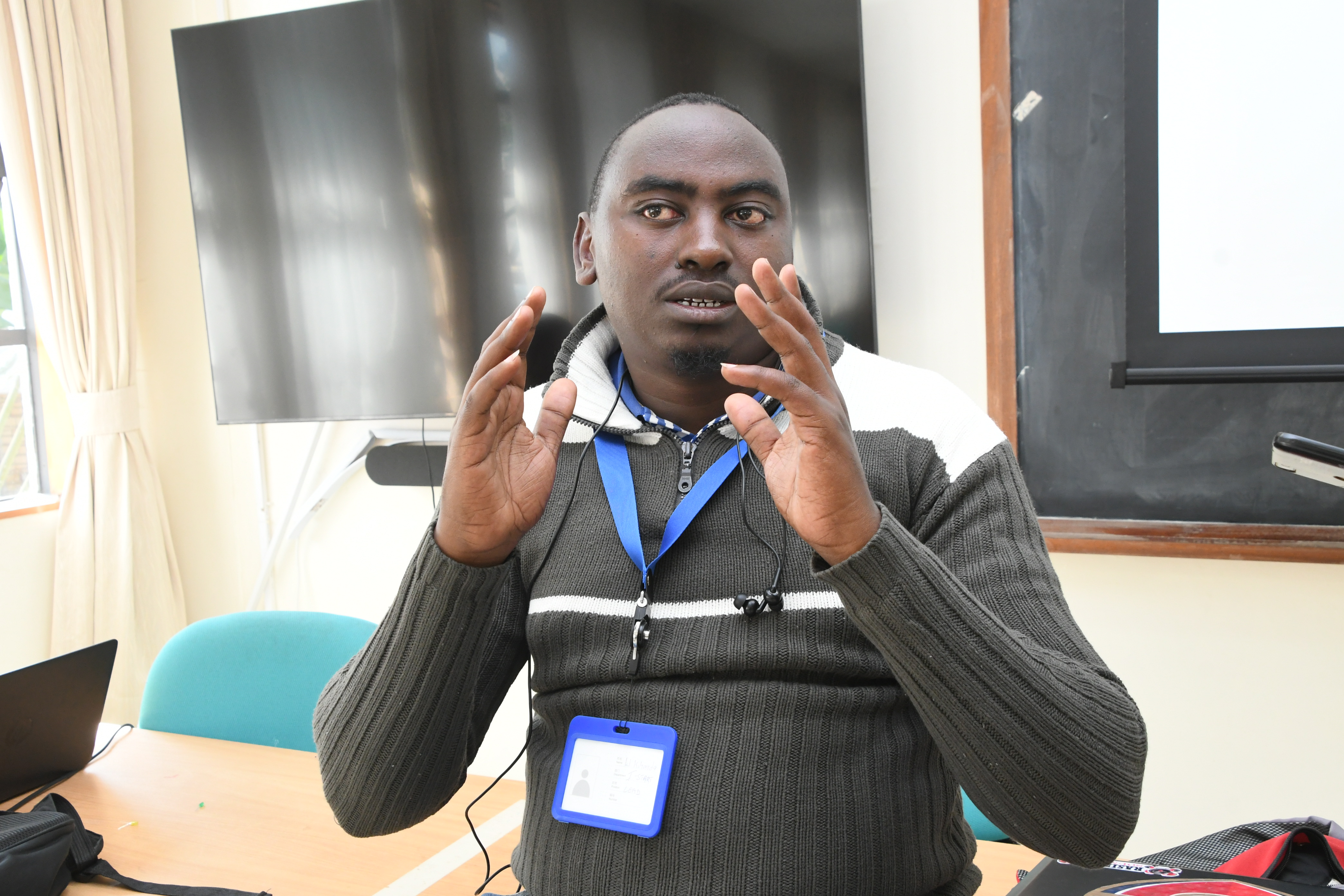
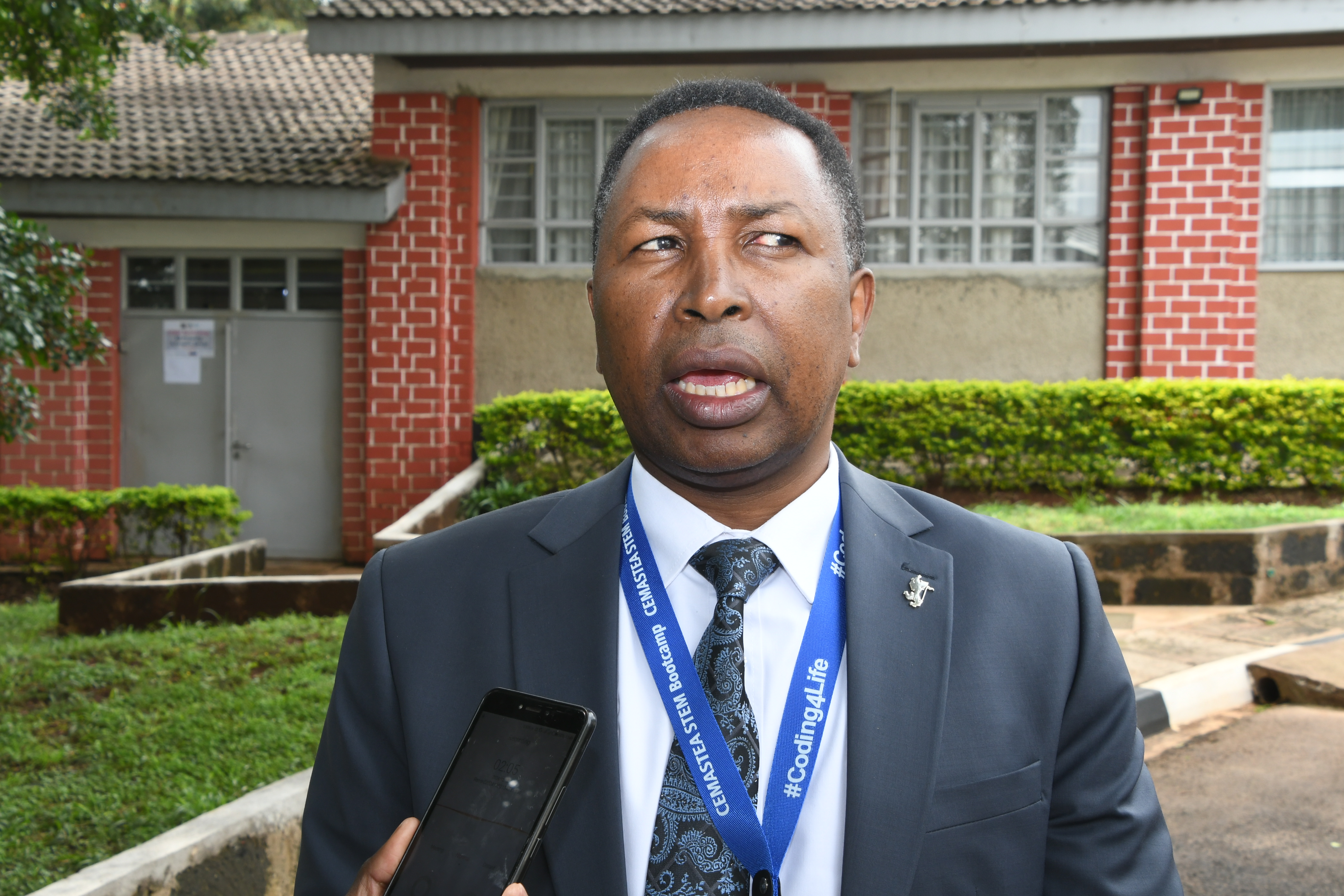
Speaking during the 6th CEMASTEA Science, Technology, Engineering, and Mathematics (STEM) Boot Camp at the institution’s campus in Karen, Deputy Coordinator for STEM Martin Mungai stated that the institution is committed to helping young learners unlock their potential in STEM fields by providing them with opportunities to develop their own STEM projects.
"CEMASTEA is committed to helping students achieve their dreams of becoming future innovators and tech experts. We provide opportunities for them to develop projects that address everyday human challenges," Mungai said.
He revealed that learners use the SCAMPER method (substitute, combine, adapt, modify, put to another use, eliminate, and reverse) to foster innovative thinking.
He added, "Learners are not operating in a vacuum. Some of these projects help students build self-esteem, as they are expected to present their work, as they venture into their careers, these experiences provide a platform to springboard into their careers."
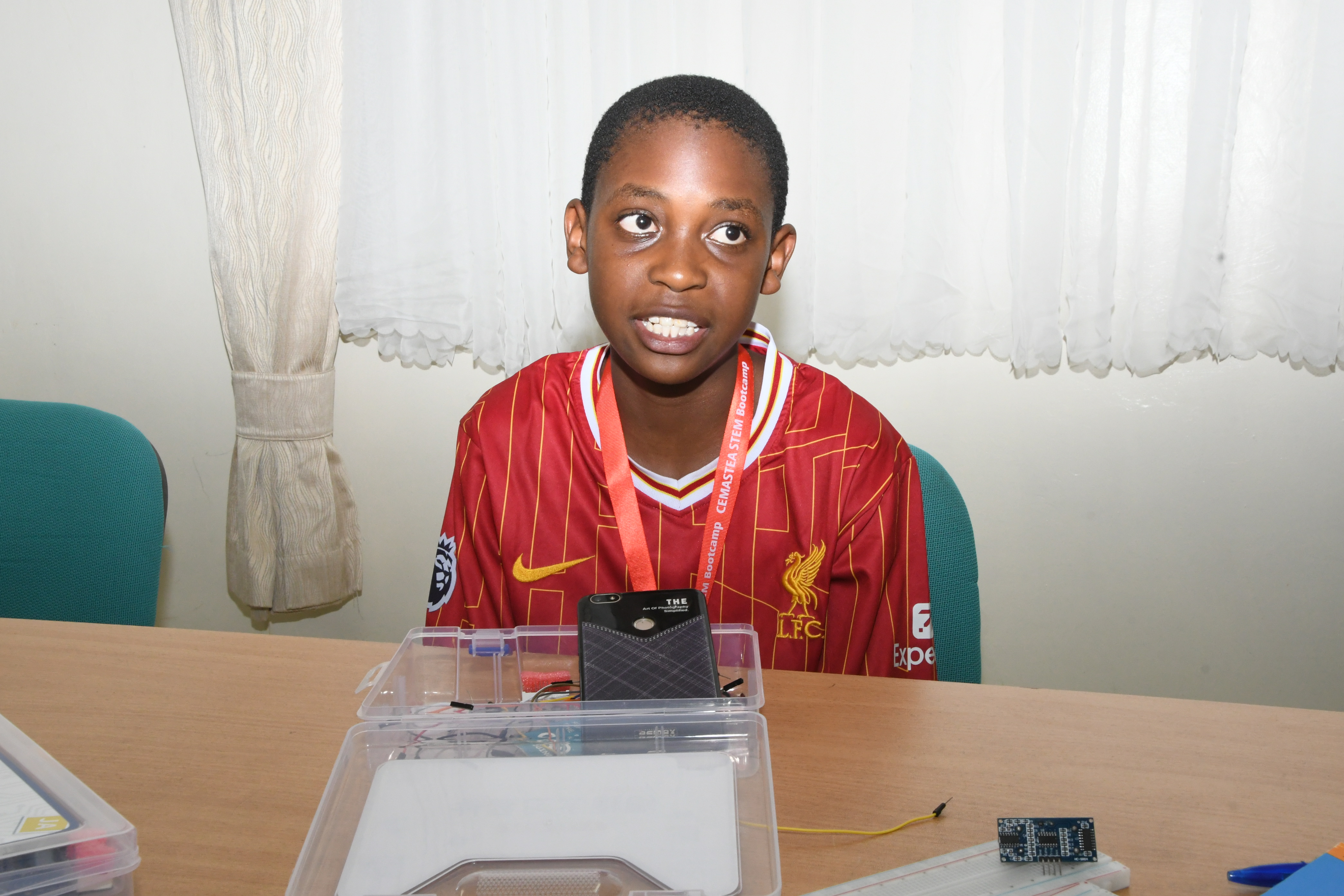
Emmanuel Tito, a Grade Eight learner from the Pearls Academy, is leading his team in developing a Smart Walking Stick for the visually impaired individuals.
The stick is rechargeable and uses ultrasonic sensors to detect obstacles such as walls, windows, or even ditches and holes. Its aim is to guide visually impaired individuals and improve their mobility by helping them avoid potential dangers.
He says, "The reason for developing this smart walking stick is to help visually impaired individuals lead normal lives. When the stick detects danger, it emits an alarming sound, alerting the user to potential dangers. This not only helps save lives but also makes it easier for those assisting them to manage other tasks."
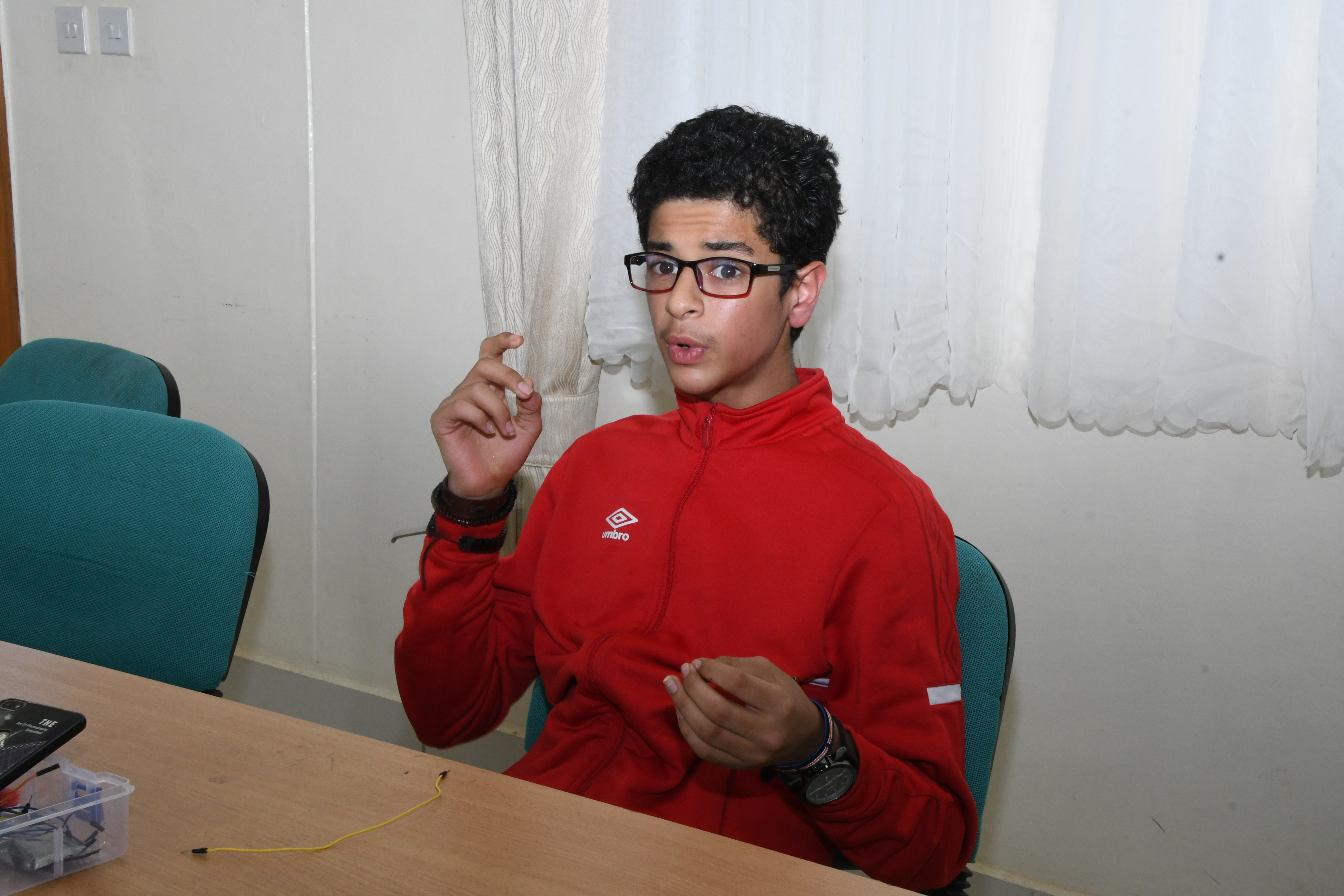
Yash Asher, a Form One student from Samaj School, who is working on a Smart Agriculture project, said he hopes to help millions of farmers who struggle with resource wastage, water conservation, and labour management.
Through the automation of Smart Irrigation Systems, farmers can now monitor the temperature and moisture levels of their crops, adjusting water flow as needed.
The system is also capable of detecting issues such as limited water supply and triggering alerts. In addition to managing water and temperature, the system allows farmers to control lighting for optimal photosynthesis and to determine the best time for harvesting, he added.
“If you install sensors inside your greenhouse to monitor soil moisture and temperature, you can optimise irrigation and ensure crops receive just the right amount of water,” Asher explained.
He believes that the future of agriculture lies in automation and diversification, which can help address modern challenges such as drought, food security, and wealth creation
With the advent of AI and limited farming space, Asher encourages farmers to embrace smart farming techniques, noting that this will allow them to keep pace with developed countries that are efficiently feeding their populations.
A Trainer, Wilson Kihanda, said that understanding the right moisture content, water, and light requirements for crops is key to achieving good results and successful harvests.
Kihanda urged parents to set a foundation for their kids by encouraging them to find solutions rather than solving problems for them.
To address the issue of car theft, Patrick Musya, a Form Four student from Kitui School, is developing a car parking intruder detection system. He believes that embracing the system in Kenya will help curb many cases of thefts and the disappearance of cars in parking lots, especially in social places which are rarely monitored.
The system uses ultrasonic sensors to detect when a stranger or potential thief enters the parking lot. Once detected, it triggers an alarm and activates an LED indicator, notifying the car owner, who can then take action to secure his or her vehicle.
He said after seeing many reported cases of car theft, he decided to develop a project to curb thefts and help car owners protect their vehicles.
On the other hand, Krisha Vishal, a Grade Nine learner from SCSS, believes his project, Robo Car (Smart Car), can help address human errors using sensors.
Vishal explained that the unique cars, which have additional features, including security, AI-driven systems, and detectors, enable them to scan QR codes, sense traffic lights, and more.
Vishal says that the system can be implemented in Kenya to reduce accidents, save manpower, and help control traffic, which is often a major challenge in urban areas.
On the other hand, Kimberly Waringa, a Grade Four pupil from St. George Kiringatah, is working on an innovative "puppy" project. The smart puppy has the potential to detect strangers in the house. When asked about the purpose of the project, Kimberly enthusiastically explained that she loves fun and believes the device will help by sending alert sounds to notify homeowners of strangers in the room. She added that it could also be used for security purposes.
“Other than fun, it can be used for security purposes, as it is programmed for it to operate,” she explained.
She encouraged young children to explore their potential in STEM by joining robotics and creating innovations that can help people, bring joy, enhance security, and even generate income, instead of staying at home.
Another project is a colour sorter, spearheaded by Amartya Garikipati, a Grade Five pupil from SCLP Samaj School. He came up with the idea after noticing that many people confuse colours, while visually impaired individuals face challenges with colour identification.
Amartya explained that the colour sorter helps by organising colours correctly, making it easier for people to distinguish them.