
Government to review 42 taxes impacting Kenya’s tea sector
FATMA SAID-KNA
The Government will review the numerous taxes affecting the tea sector, noting that tea products are currently burdened by 42 different taxes.
Agriculture Principal Secretary (PS) Dr. Paul Ronoh has said that, in order to ease the load and enhance the industry’s competitiveness, the Ministry of Agriculture intends to reassess these taxes and streamline the export processes. This includes updating the scanning machinery used in tea exports to improve efficiency and reduce costs.
Speaking at a Mombasa hotel during the Tea Industry Centenary Summit, which celebrated the Tea Board of Kenya’s 100 years of tea commercialization in Kenya, Ronoh emphasized that the government remains stead fast in its commitment to the tea industry under the BETA agenda.
This agenda includes subsidized fertilizers, National Greenleaf Standards, a new tea quality lab, and a global marketing strategy to boost Kenya’s tea exports.
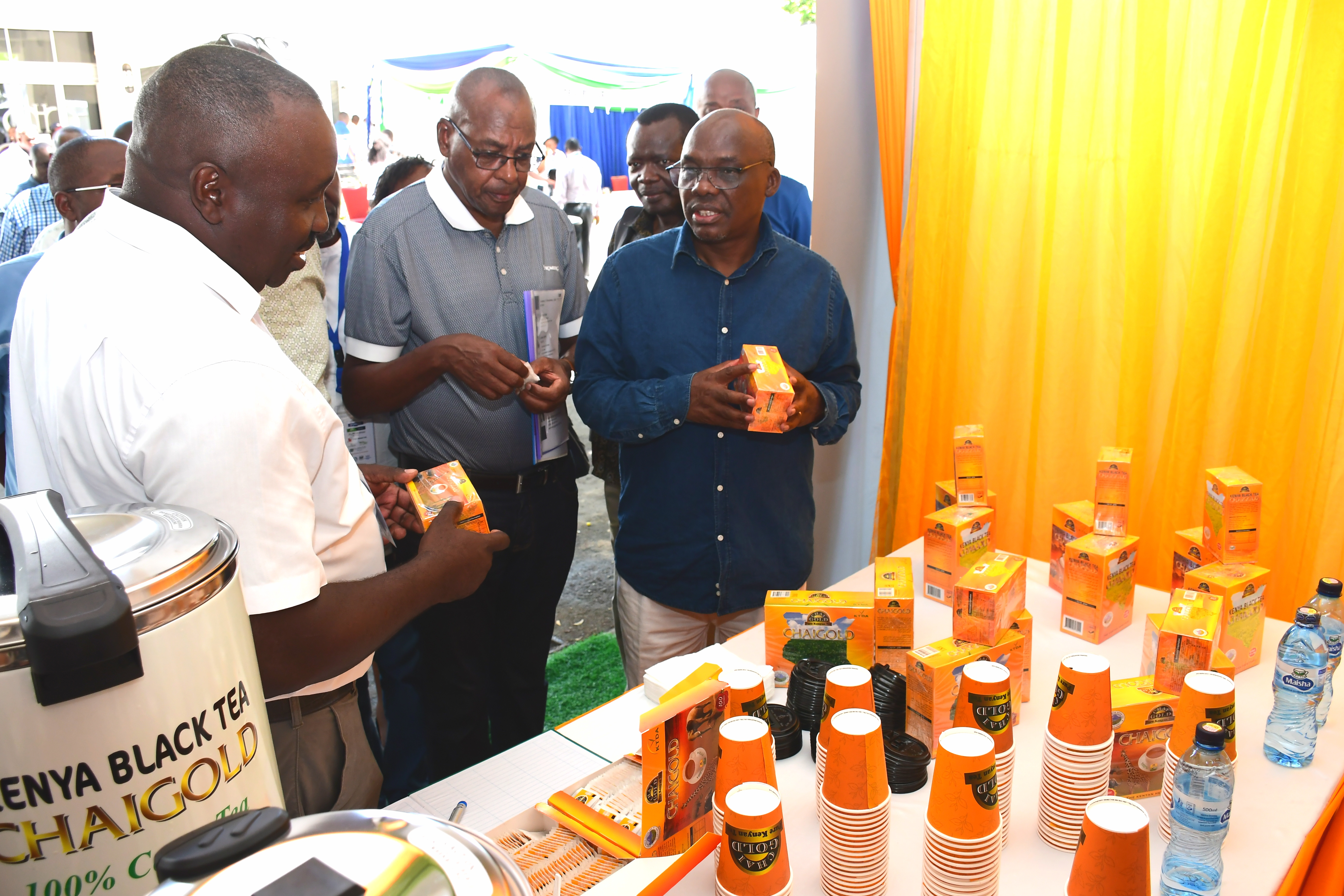
The summit brought together delegates from major tea-producing, importing, and exporting countries, as well as leading global tea industry players. It has also provided an opportunity to facilitate the exchange of ideologies and the latest information on tea globally and its future.
“As we engage in this three-day summit celebration, we are going to strategize how we can best position this crop for another 100 years, and our approach and theme is ‘making farmer the King,” he said.
The PS emphasized the need to enhance farmers’ income by making tea profitable, noting that the tax review is very necessary for this motive is in line with the current government’s plans.
“In our discussion, we have looked at the 834,000 farmers who are big contributors to this sector and who also influence about 6.5 million households, with those figures it is clear that this is a key transformative crop to our economy and the livelihoods in Kenya,” he added.
He reiterated the urge to reposition crop farming so that it becomes a key priority crop for our eco nomic transformation. Ronoh added that an other key approach is value addition, focusing on exporting tea in a more refined form rather than bulk.
He said the government is setting up a common user facility, which is currently under establishment at three sites. T he PS highlighted that the facility would allow for enhanced processing and packaging, ensuring that tea is not sold in bulk, a practice that historically contributed to low value.
Value-added exports, he noted, aim to significantly increase the profit ability and global appeal of Kenya’s Tea.
He added that repositioning of markets is also a great approach noting that to expand the market, exporters need to shift towards strategic sales for tea rather than relying solely on general auctions.
Moving in this direction, the ministry plans to organize tea trade missions targeting specific clients and countries with potential demand for their tea.
The PS also said the government, along with key industry leaders, is committed to traveling globally in search of better markets for their tea. As such, the ministry is engaging with other stakeholders such as banks to provide loans and enhanced financial support for farmers.