
NCPWD introduces career guidance for disabled students
Ekuwam Sylvester-KNA
The National Council for Persons with Disabilities (NCPWD) has rolled out the Tunza Mentorship and Career Guidance Programme to foster personal and professional development among physically challenged learners.
The government-funded programme aims to promote self-confidence, academic excellence and social integration among people living with disabilities.
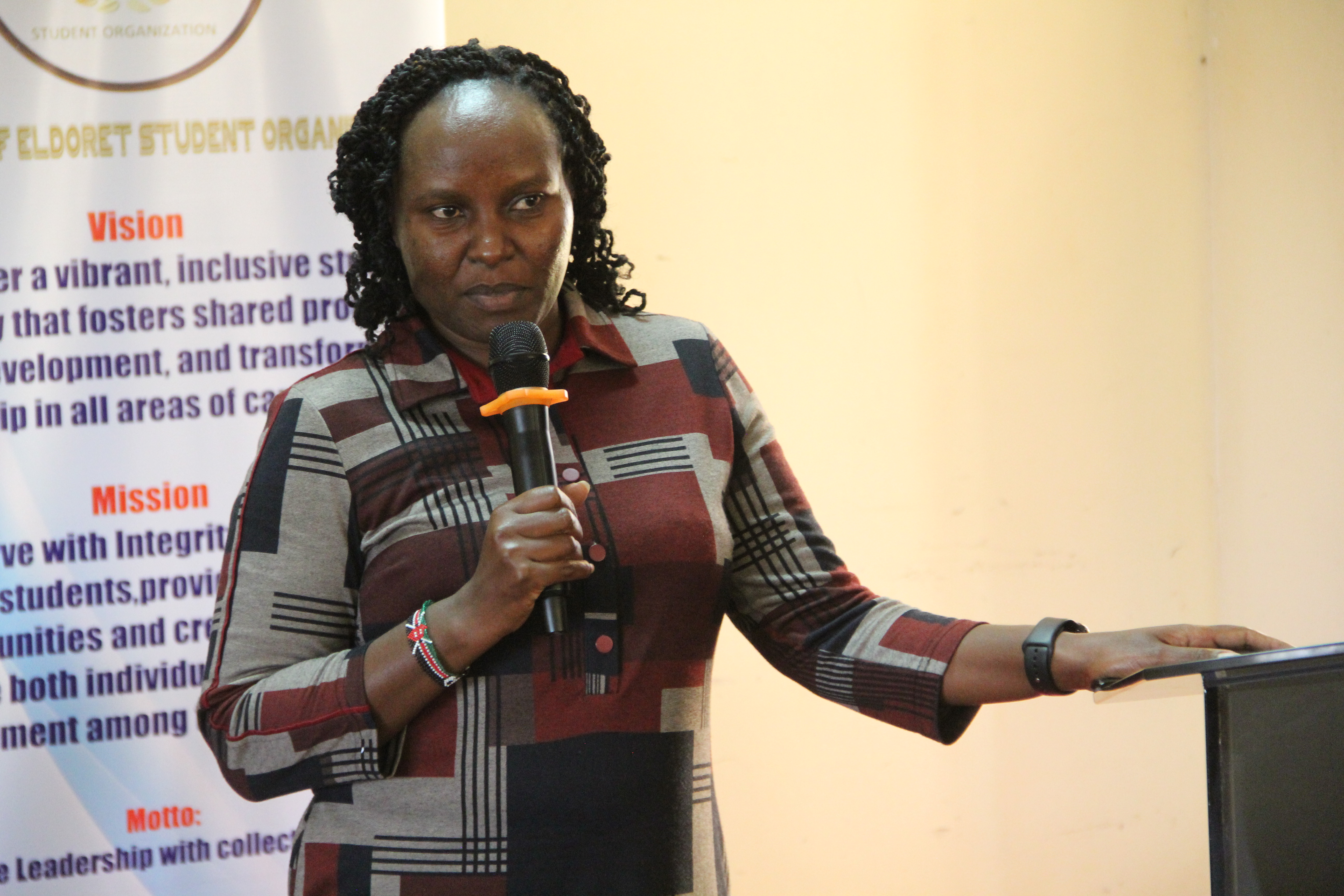
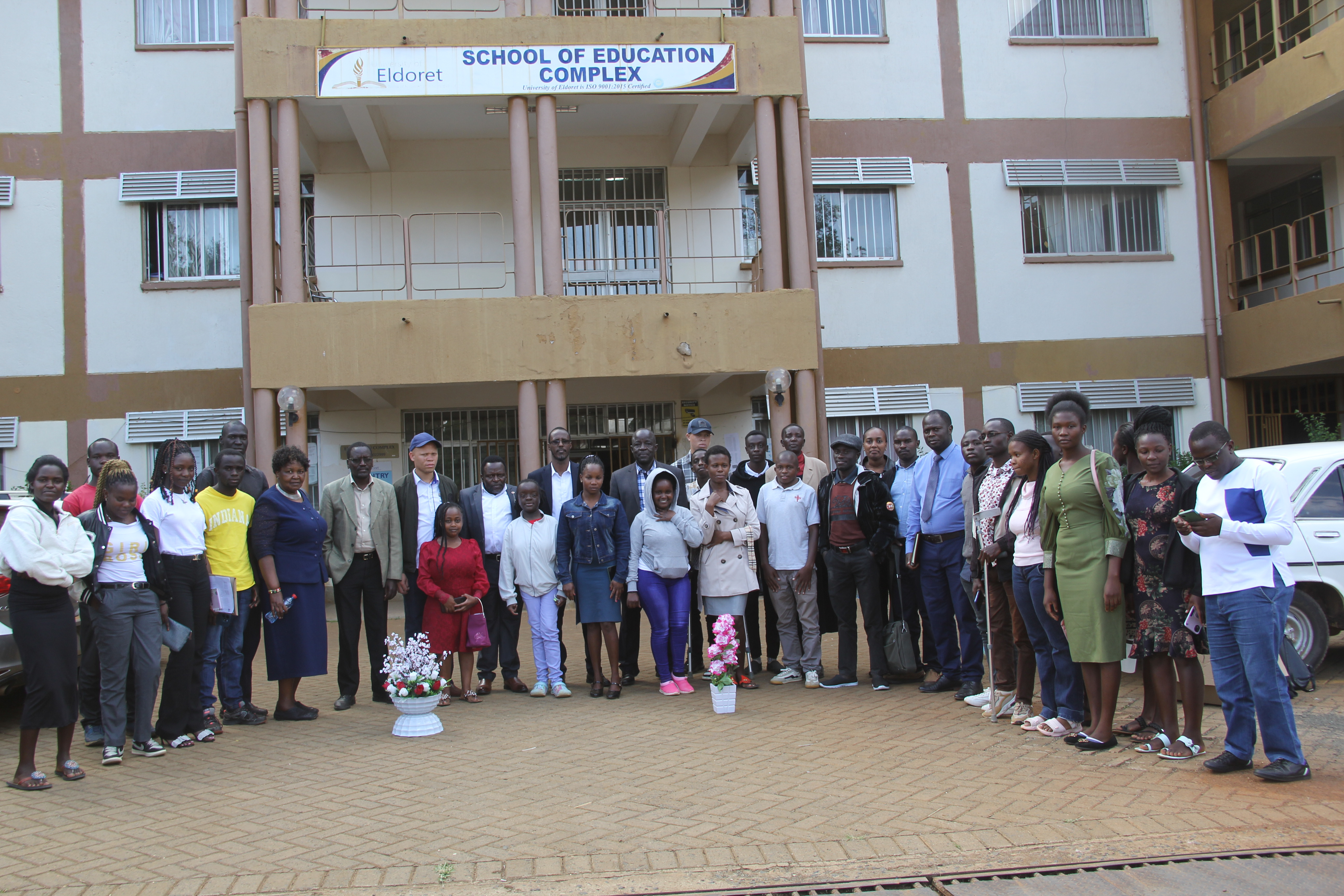
Speaking during the launch of the first ever and unique program in history of disability mainstreaming training at the University of Eldoret, Uasin Gishu County, Acting (Ag.) Executive Director for the National Council for Persons with Disabilities Eva Njoroge pointed out that through the programme, the council is keen to ensure equal access to quality education and training for students with disabilities by eliminating barriers to learning and enabling their full participation in the academic environment.
“The obstacles we navigate through every day, let them not define you, they are your strength, your perspective and resilience are often what stand out to give your insight to the world around you,” the Acting CEO noted.
She underscored that the mentorship would give trainees a chance to have someone guide them to elevate their potential. Additionally, it is about collaboration and working together with someone to help students succeed.
“When the road is challenging, with the right guidance you will be able to face those challenges head-on. You deserve all your opportunities to achieve your dreams regardless of challenges you face,” she added.
The CEO urged the trainees to remain open, determined to learn and move forward, noting that each lesson learnt, and challenge faced, and goal achieved is a victory.
Titus Yego, the Chief Officer Disability Services-Education Unit, NCPWD, emphasized the need to equip students with disabilities with the necessary skills, knowledge and attitudes to overcome societal barriers to enable them to pursue gainful employment opportunities and to contribute meaningfully to Kenya’s socio-economic development.
The Council’s officer In-charge of programmes, Godana Boru, encouraged the students never to underestimate their potential and abilities.
“If you take the opportunities around us as an impediment to our development it will continue as such, it all depends on your attitude, a transformative attitude about your disability will take us far,” he noted.
The University administration led by the Vice Chancellor, Prof. Richard Cheruiyot requested the council’s support to streamline the infrastructure and provide equipment like assistive devices.
The VC confirmed that the university provides good infrastructure with the laws that help in mainstreaming disability issues to ease movement of people with disabilities, for example the physically handicapped and the visually impaired.
He further echoed that people should join the vibrant group of people with disabilities club because the club is able to share information about the rights and privileges that they can enjoy as registered individuals of PWD's to enforce good campus experience.
In his remarks, the chairperson for disability mainstreaming in the University of Eldoret, Dr. Orao Remy, emphasized the need to accord each student an equal opportunity to explore their potential to the maximum regardless of the nature of disability.
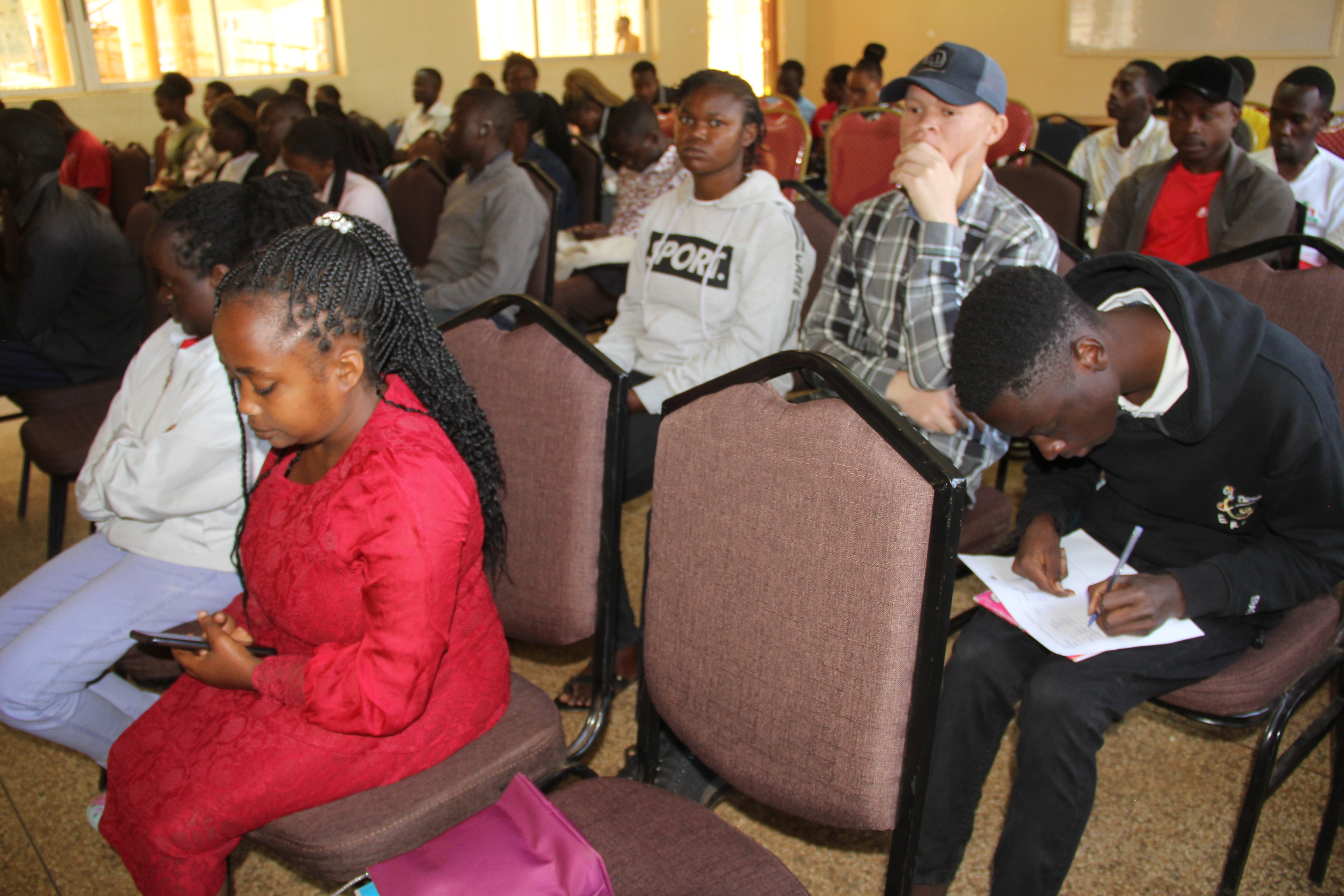
The PWD trainees were taken through self-advocacy and human rights to articulate their issues in a more appropriate manner to get helped.
Additionally, they were offered career guidance and advice on how to choose jobs in future through skillful designing of the curriculum vitae (CV) to suit various employer’s needs.
Dr. Orao advised the students to plan their study time well, develop a reliable timetable and choose an ample study environment while at the same time embracing collaboration with colleagues to achieve academic excellence.
The programme has mentored more than 1,000 trainees from comprehensive school to tertiary level and plans to mentor up to 4,000 trainees in this financial year 2024/2025.