
Nandi’s ‘Kahawa na Mama’ initiative revives coffee Sector and empowers women
Linet Wafula-KNA
The Nandi region is revatilizing the coffee sector through an ambitious grassroot programme, dubbed ‘Kahawa na Mama’.
The transformative initiative empowers rural women to become financially independent. Anchored on four transformative pillars: women’s economic empowerment, agricultural revival, grassroots self-reliance, and environmental sustainability, the initiative has changed the lives of thousands of women across the county.
“The project was an inspiration of what I saw during my campaign tours, women working tirelessly on farms yet excluded from the financial benefits of cash crops,” Cynthia Muge, the Nandi Woman Representative, said.
The initiative changes the narrative by giving them direct ownership of coffee trees, access to training, and connections to markets to women.
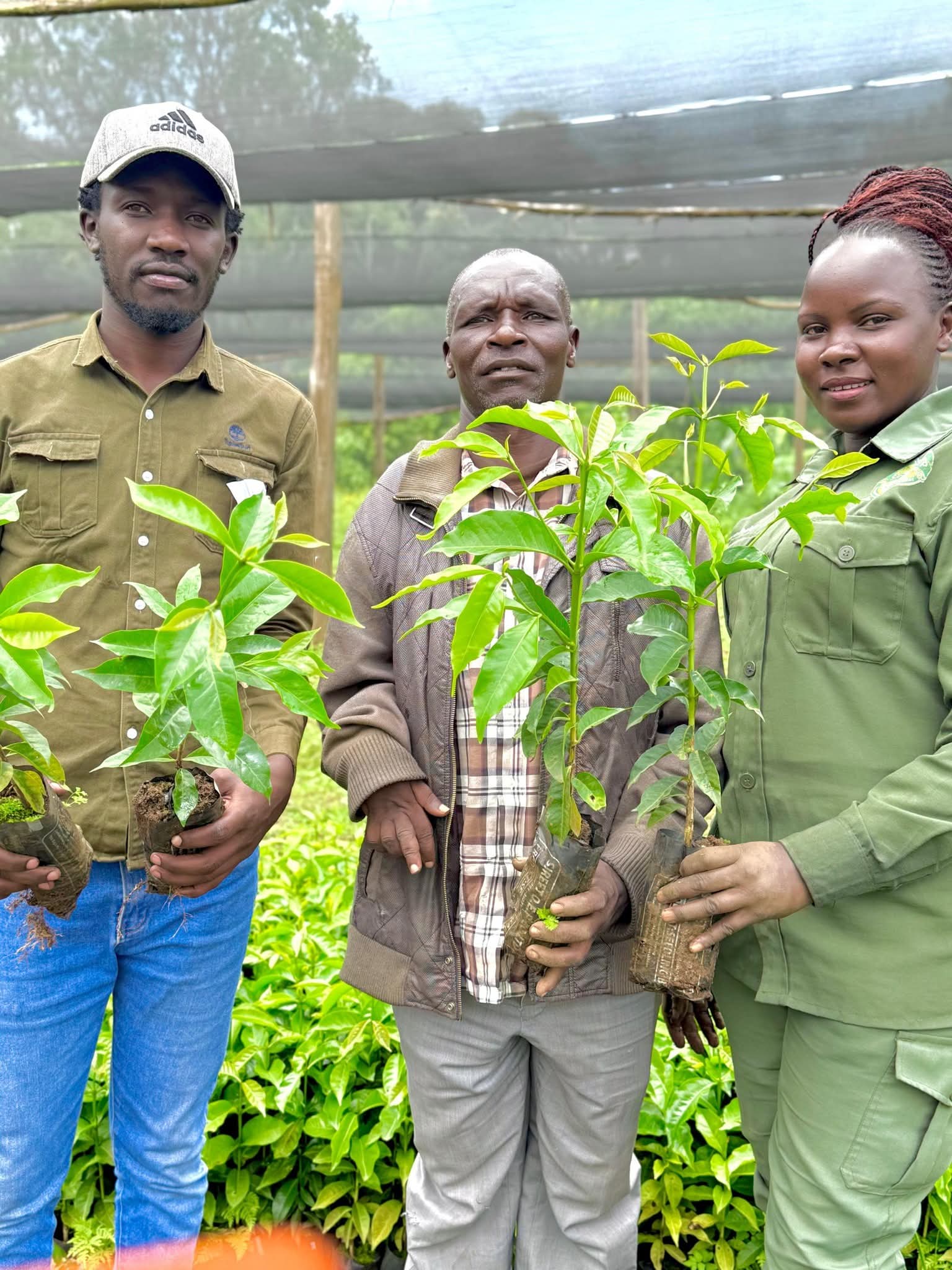
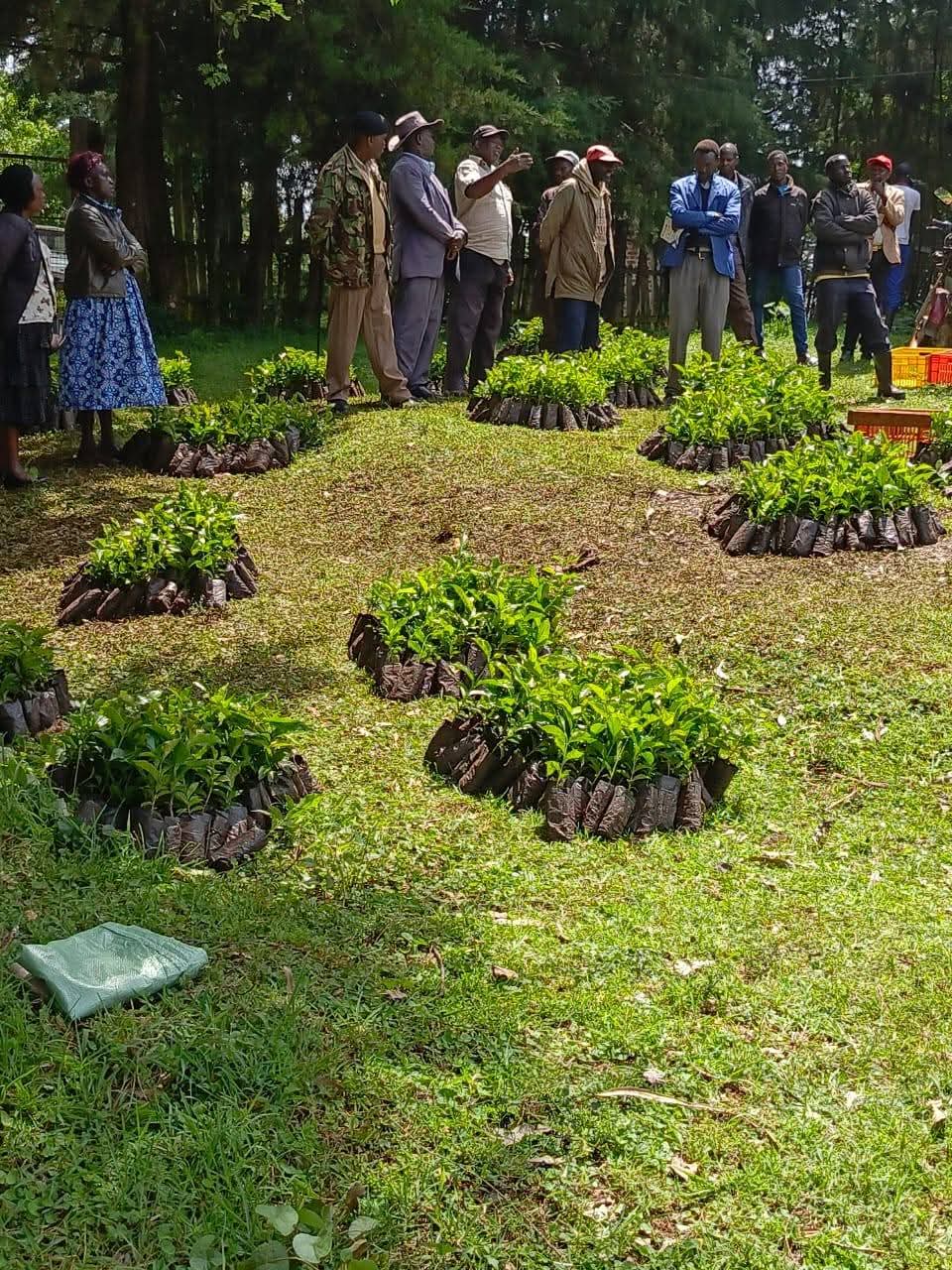
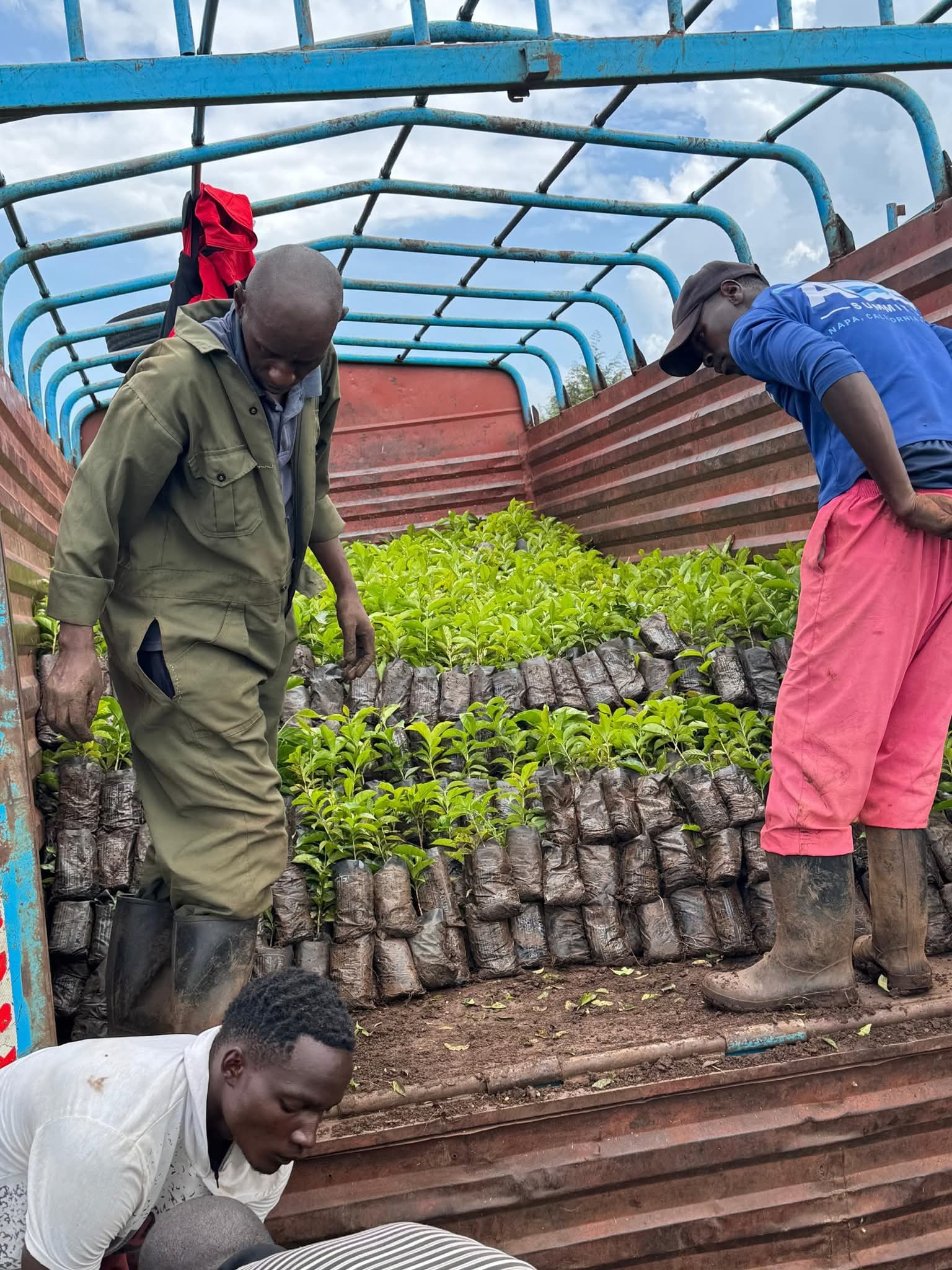
Muge, who spearheads the initiative noted that in its pilot year (2023/2024), the project distributed over 150,000 certified Ruiru 11 and Batian coffee seedlings to 900 women organized into 63 self-help groups.
With the second phase launched, an additional 500,000 seedlings were distributed, bringing the total to more than 650,000 seedlings and nearly 4,000 women beneficiaries across the county.
Nandi Hills, Aldai, Mosop, Chesumei, Emgwen, and Tinderet are among the sub-counties benefitting from the program, with Nandi Hills leading with the highest number of participants, where over 1,000 women have received seedlings and undergone training.
The program is not only reviving abandoned coffee farms but also earning steady incomes for women groups such as Mogobich Progressive, Kapng’etuny Women and Kaptis Women. In Aldai Sub-County, Cheboite Women Empowerment Group intercrop coffee with avocado for extra income.
The project is no longer just a pilot, and it’s a movement bearing fruit both literally and economically.
“This time, the coffee belongs to us. Women are not just planting coffee, but we are planting independence, rewriting household power dynamics, and reviving a crop once forgotten,” said Sarah Jepkurui, of Chesumei’s Tulwop Ngetuny Group.
Experts estimated a one-acre coffee block planted with 600 improved bushes can yield up to Sh 220,000 annually, nearly three times what maize farming earns on the same land.
The programme promotes agroforestry by encouraging the intercropping of coffee with banana plants and shade trees, helping curb soil erosion and boost sustainability.
By signing a charter that mandates joint registration of coffee bushes between spouses, the move aims at securing women’s rights to the crop. It promotes shared decision-making in rural households and an approach that is winning praise for advancing gender equity.
Strategic partnerships with national and county institutions contribute to the program’s success. Muge’s office is working with the National Government Affirmative Action Fund (NGAAF), the Agriculture and Food Authority (AFA), the Nandi County Government, and Baraka Agricultural College.
Expected surge in coffee cherry volumes is straining the capacity of local wet mills such as Kapkiyai and Taunet, thus posing a threat to the program. Muge is championing new pulping lines and solar driers to process the increasing harvest to address the issue.
On the other hand, efforts are underway to close the extension services gap by funding the training of an additional 60 officers by 2026 from 28 ward-based agricultural officers certified in modern coffee farming.
International market opportunities for Nandi coffee talks are in progress with an aim to introduce a women-only microlot brand, “Nandi Gold,” which may debut at the 2026 World of Coffee Expo in Dubai.
“As the government explores coffee sector reforms and ways to close gender gaps in agriculture, ‘Kahawa na Mama’ stands out as a promising model for national replication.
“This is not just about coffee, it’s about dignity, inclusion, and giving rural women the tools to change their own lives,” she said.