
Ministry flags off essential HIV supplies amid funding cuts
CLINTON NG’IELA- KNA
The Ministry of Health has flagged off a shipment of essential HIV supplies at the Mission for Essential Drugs and Supplies (MEDS) in a significant step towards strengthening Kenya’s HIV response.
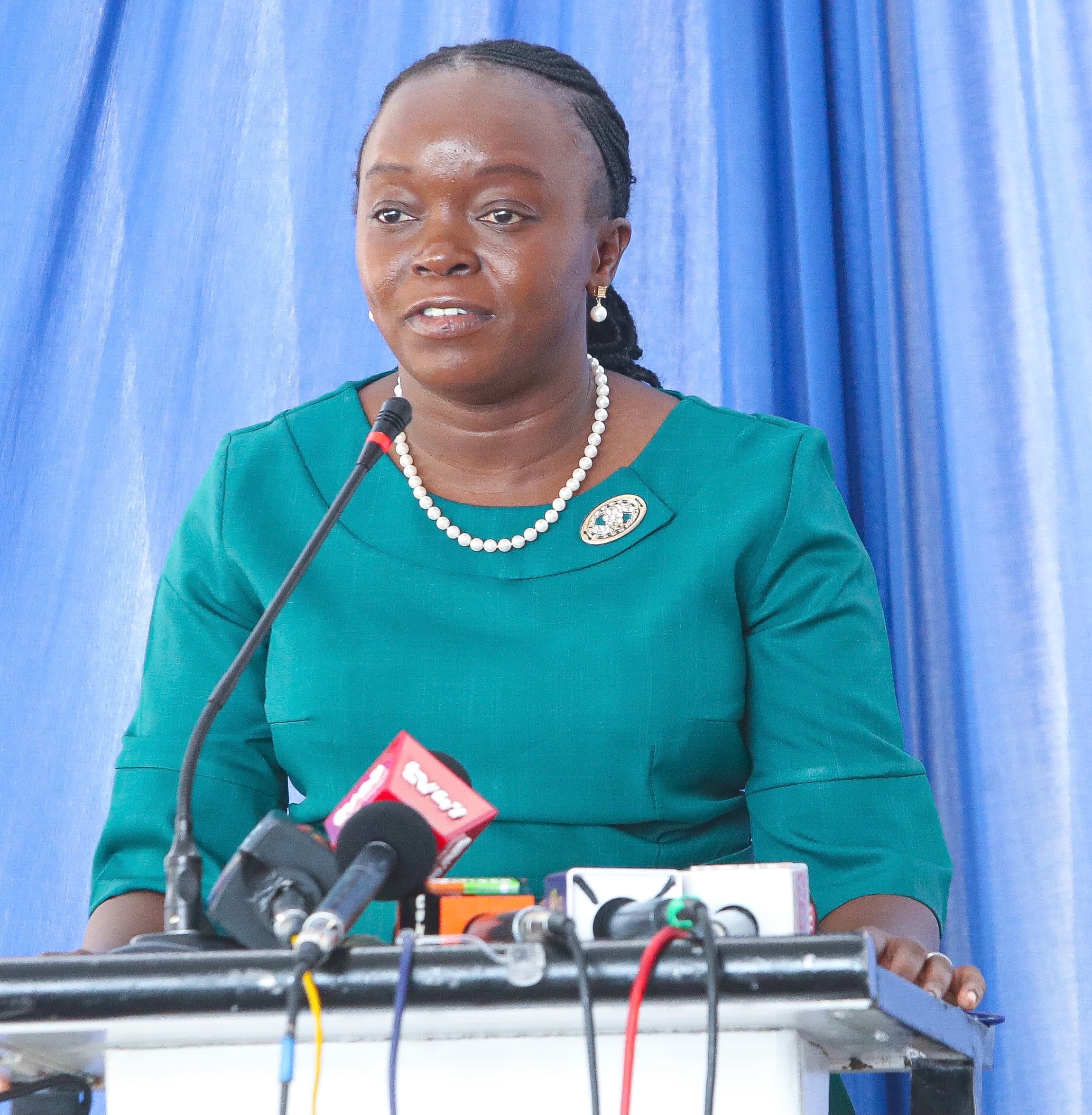
This comes at a crucial time as the country grapples with funding uncertainties, stigma, and supply chain challenges. Speaking at the event, the Cabinet Secretary (CS) for Health, Dr. Deborah Barasa, underscored the government’s commitment to ensuring uninterrupted access to life-saving HIV treatment and prevention resources.
“This milestone is a testament to our unwavering dedication to safeguarding the health of people living with HIV, even as we navigate global funding constraints,” she said.
The CS noted that Kenya has an estimated 1.4 million people living with HIV, and ensuring a steady supply of critical commodities is key to managing the epidemic.
She disclosed that the flagged-off consignment includes antiretroviral therapy (ART) drugs, HIV testing kits, early infant diagnosis reagents, viral load testing supplies, and male condoms.
According to Dr. Barasa, among the key highlights is the availability of 2,026,555 packs of ART at KEMSA and MEDS, with additional shipments expected to increase stocks to over 11 months’ supply by June 2025.
She further assured that pediatric formulations are also well stocked, with plans underway to introduce a fixed-dose combination of Abacavir, Lamivudine, and Dolutegravir from August 2025 to enhance treatment for children.
Dr. Barasa emphasized the importance of the supplies, particularly for vulnerable groups such as infants at risk of vertical HIV transmission.
“Currently, we have over 510,000 bottles of Nevirapine suspension for infant prophylaxis, ensuring that newborns exposed to HIV get the best possible start in life,” she added.
In addition to treatment, the Health CS noted that testing remains a cornerstone of Kenya’s HIV response and that the country has fully transitioned to a three-test algorithm to enhance accuracy in HIV diagnosis.
She revealed that stock levels for testing kits are currently robust, with 8.3 million trinscreen tests available, translating to a 10-month supply as well as dual HIV/syphilis screening kits for antenatal care settings stand at 1.4 million tests, covering 14.5 months of demand.
Moreover, the CS echoed that the Ministry is also focusing on improving early infant diagnosis (EID) and viral load testing with Kenya having 18,432 EID tests in stock, and an additional 52,608 tests expected by April 2025 to ensure continued service delivery.
“Meanwhile, 446,436 viral load tests are available, covering 3.5 months of stock, with more reagents being expedited for delivery,” she asserted.
Recognizing the role of preventive measures, she said the Ministry has also prioritized the distribution of male condoms, with over 1.6 million pieces currently available and an additional 93 million under procurement.
The CS expressed that despite this progress, challenges remain, particularly in ensuring supply chain continuity in remote areas, addressing stigma, and digitizing drug distribution systems.