
Marsabit County shifts to farming amid flood and drought challenges
Sebastian Miriti-KNA
Marsabit, the second largest county in Kenya, is synonymous with droughts, floods and soil erosion.
The rising level of Lake Turkana has made it worse for the county, home to thousands of pastoralists.
The situation has over time made the majority of the residents vulnerable to food insecurity with high rates of malnutrition being reported.
Climate change has dealt a blow to the residents whose mainstay is livestock keeping and animal trade. Frequent droughts kill their animals and destroy their pastureland.
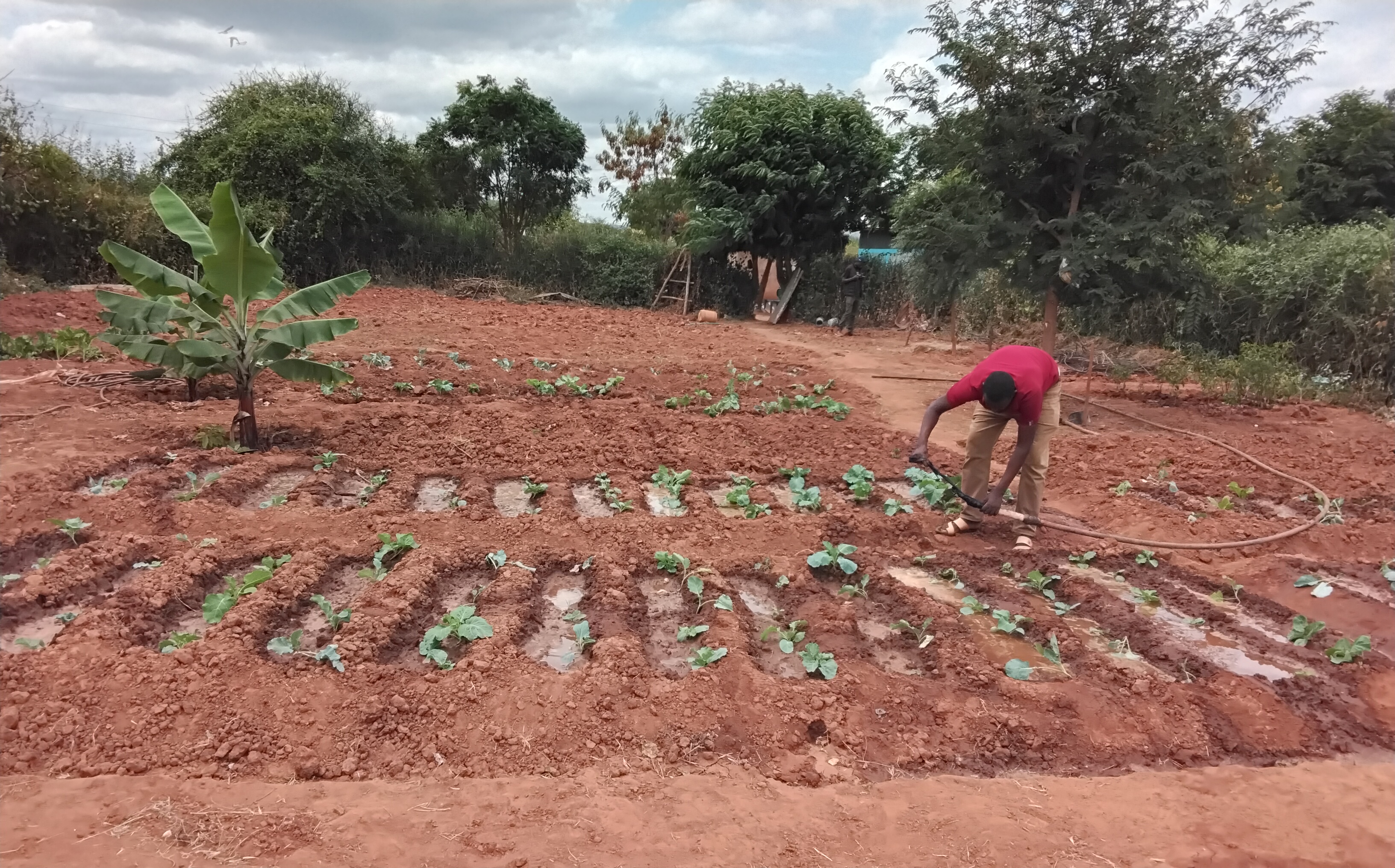
But the tide is turning, efforts to diversify livelihoods are underway. Residents are being introduced to crop farming.
The County Government of Marsabit and development partners are providing free seeds for a variety of fast-growing crops like maize and beans.
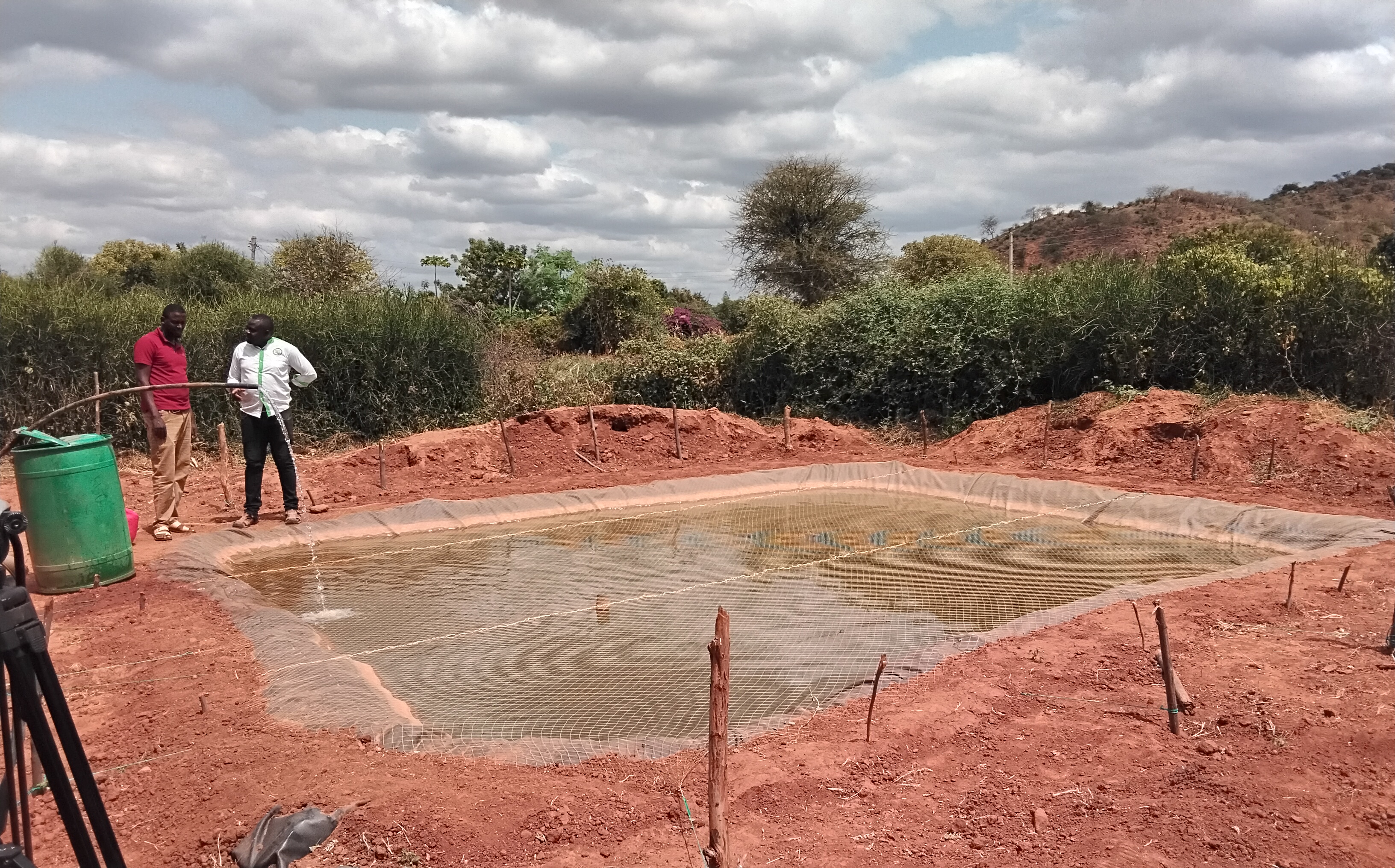
While this has not borne much fruit because rain has become erratic with unpredictable weather patterns, through a partnership with the World Food Programme (WFP), the county government has introduced fish farming in three areas.
The move is aimed at enhancing food security and resilience among local pastoralist communities who have for long depended on food aid.
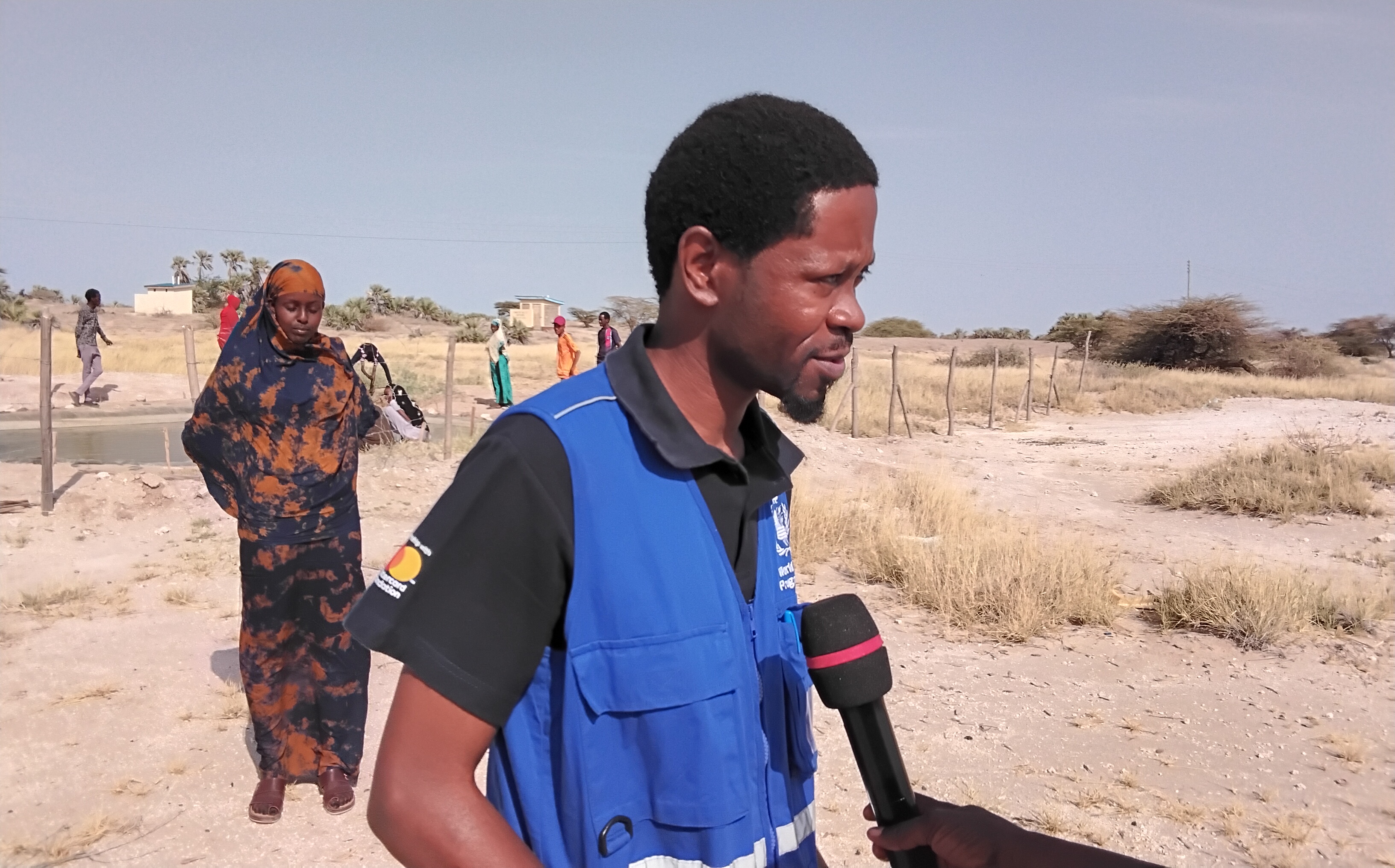
WFP Supply Chains Officer Albert Mwambonu in an interview said the adoption of aquaculture is purely a climate adaptation and an alternative source of livelihood for pastoralists in the arid areas of the county.
He said local communities, who are predominantly keepers of livestock including camels, cattle, sheep and goats, never had fish in their menu as their culture prohibited them from consuming fish.
The officer said a lot of awareness creation, through training and sensitization meetings on the benefits of fish farming and eating, was done to propel climate smart agriculture.
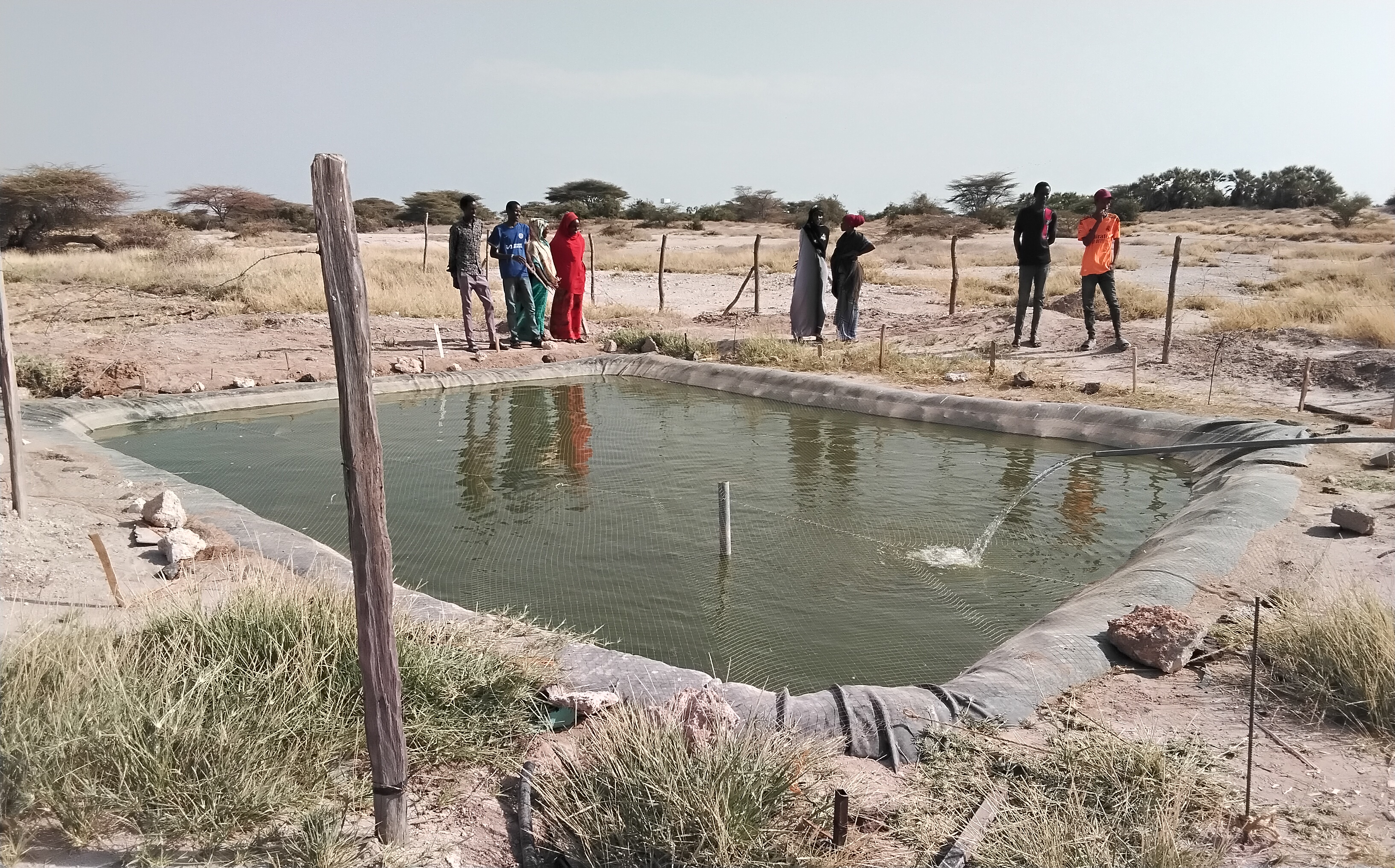
“We have so far managed to establish fish farms in the very arid areas of North Horr, Moyale and Saku Constituencies, where eating and trading in fish is now unbroken,” Mwambonu said, adding that the economic and nutritional value of the venture are real.
At the same time, a 40-member strong self-help group, the Chalbi Rural Development Initiative run by both men and women fish farmers is running successful ponds that are stocked with 500 fish of the tilapia species.
The group leadership says it ventured into fish farming which traditionally was associated with those afflicted by poverty in society after being educated on its importance.
Hadija Guyo, the chairlady of the group, said fish farming has made them food secure, besides offering a source of income made from sales of mature fish.
She pointed out that persistent drought had wiped out their livestock exposing them to vulnerability as they had to depend on food aid from the government and donors for their survival.
According to her, many locals have regained their dignity, which they had lost because of begging for food and other forms of basic support as they are now engaged in fish farming.
“Members of this group get dividends from fish sales after every harvest, which we also use to pay school fees for our children and to start small businesses,” she said, with a broad smile of satisfaction.
The members also save a fraction of the sales for table-banking, which they use as a revolving kitty.
The transformation is now three years old and the number of locals who want to be enlisted in the venture is growing by the day.
Katelo Guyo, who initially reared a combined herd of camels, cattle and shoats numbering about 500 animals but currently has only a handful goats after the stock was wiped out by three consequent droughts, says there is always adequate water to support tilapia fish farming.
The County Fisheries Officer Sostine Wanjala says tilapia fish are well suited for rearing in arid and semi-arid areas, as it does not require a big supply of water and can survive in ponds under hot climatic conditions, which can be refreshed bi-weekly.
The main sources of water in the region are boreholes, springs and shallow wells, though the Fisheries Officer says it can be boosted through rainwater harvesting.
Wanjala expressed optimism that the eat fish awareness campaigns being jointly carried out by the county government and WFP were winning over pastoralist communities, whose cultural beliefs hindered them from eating fish.