
Kwale residents benefit from new pipeline amid water crisis
CHARI SUCHE-KNA
Communities in Mackinnon Road Ward, Samburu Sub-County, Kwale County, have received a major boost in access to clean and reliable water following the completion of the Taru–Roka–Egu–Kwa Kalinga Water Pipeline Extension Project.
The project, a drought resilience initiative by the National Drought Management Authority (NDMA), comes at a time when Kenya is grappling with a worsening drought, caused by successive poor rainy seasons characterized by below-average rainfall, high temperatures, and rapid depletion of water and pasture resources.
Food security has deteriorated across many arid and semiarid areas, as household coping capacities weaken, livestock conditions decline, and access to safe water becomes increasingly constrained.
In Mackinnon Road Ward, residents have historically relied on unsafe seasonal water pans and rock catchments, exposing families to waterborne diseases, disrupting education, and intensifying competition over scarce water and grazing resources.
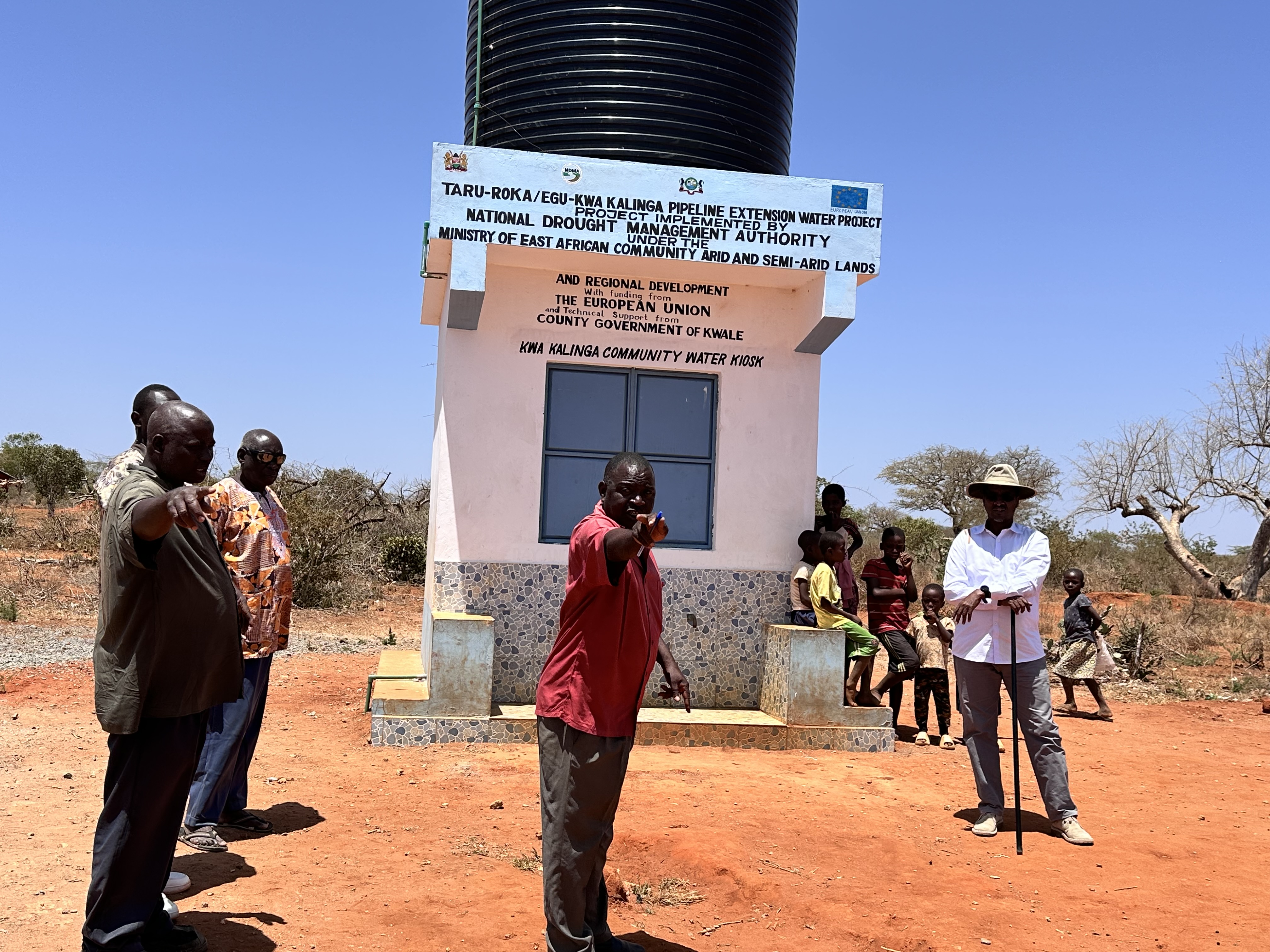
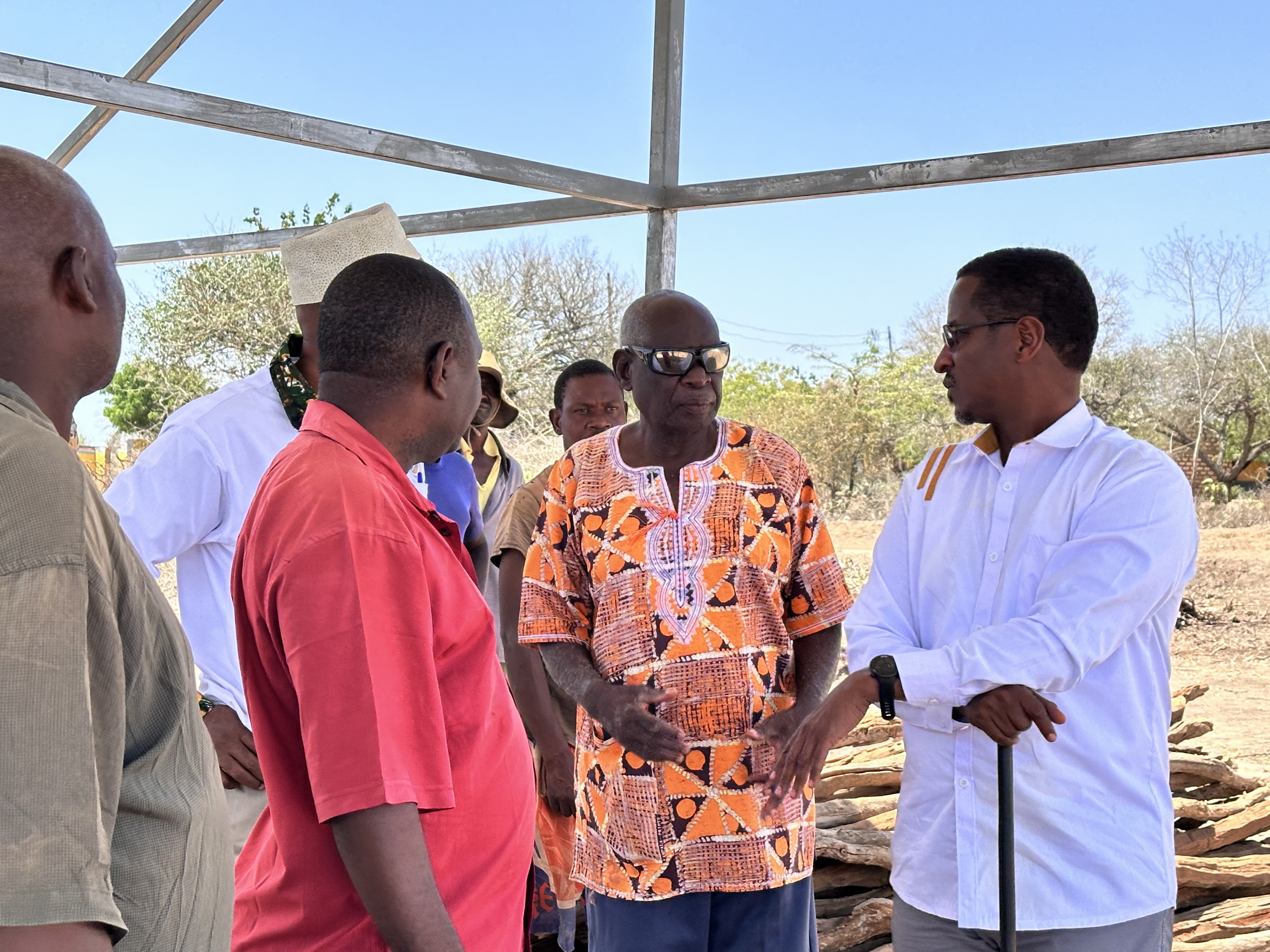
Speaking during an inspection tour of the project, NDMA Chief Executive Officer Aden Hared said the intervention was designed to address chronic water insecurity while building long-term drought resilience.
“In Mackinnon Road Ward, communities have historically relied on unsafe seasonal water sources, exposing families to waterborne diseases and conflict over scarce resources,” said Hared.
“This project is a practical demonstration of how early investment in climate-resilient water systems can protect lives, livelihoods and dignity during prolonged dry periods,” he added.
Hared noted that women and children bore the greatest burden during drought due to long treks in search of water, while pastoral livelihoods faced heightened risks as livestock traveled long distances in search of watering points.
The Taru–Roka–Egu– Kwa Kalinga Water Pipeline Extension Project involved the installation of a 7.7-kilometre high-density polyethylene (HDPE) pipeline linking Taru, Roka, Egu and Kwa Kalinga.
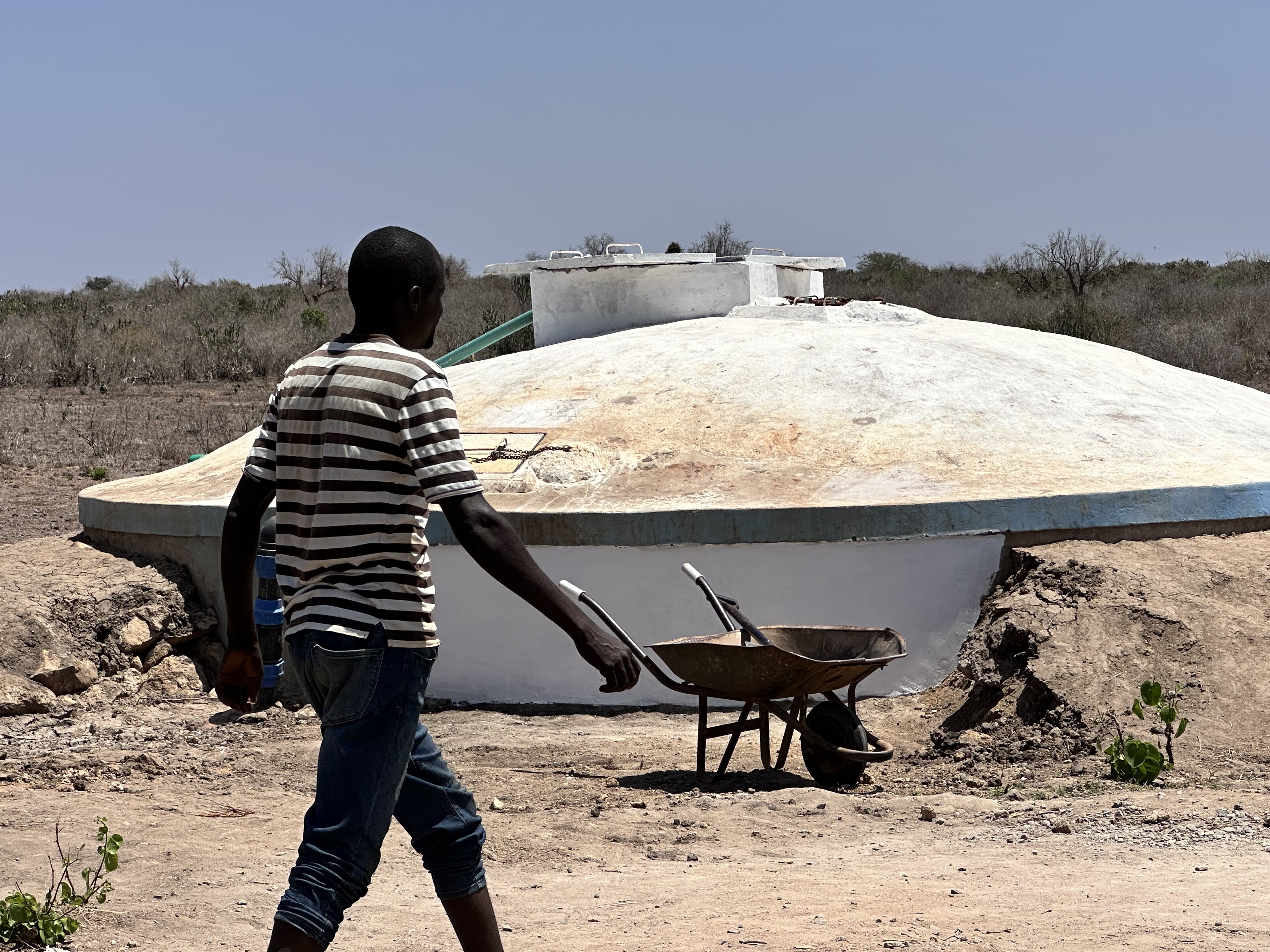
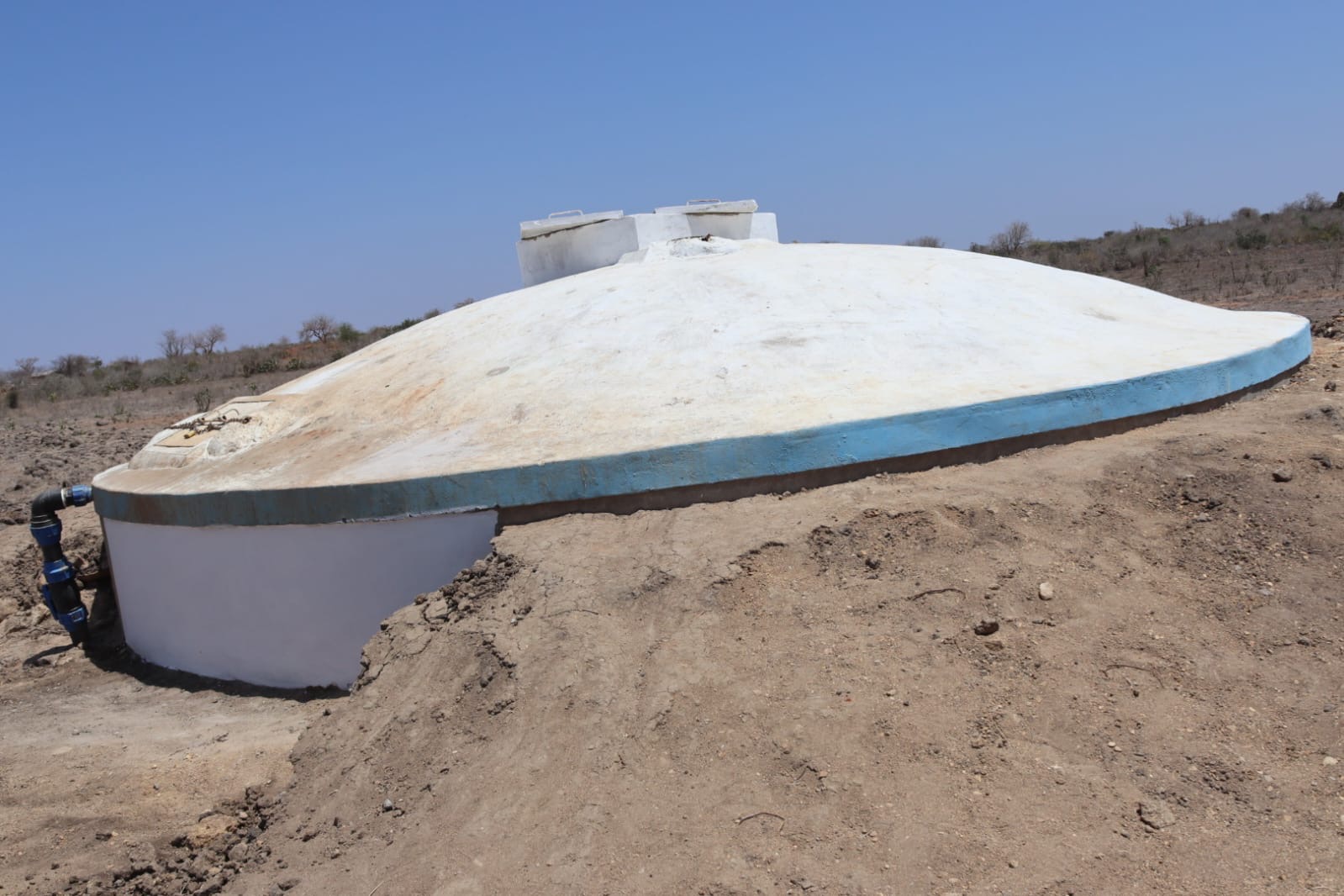
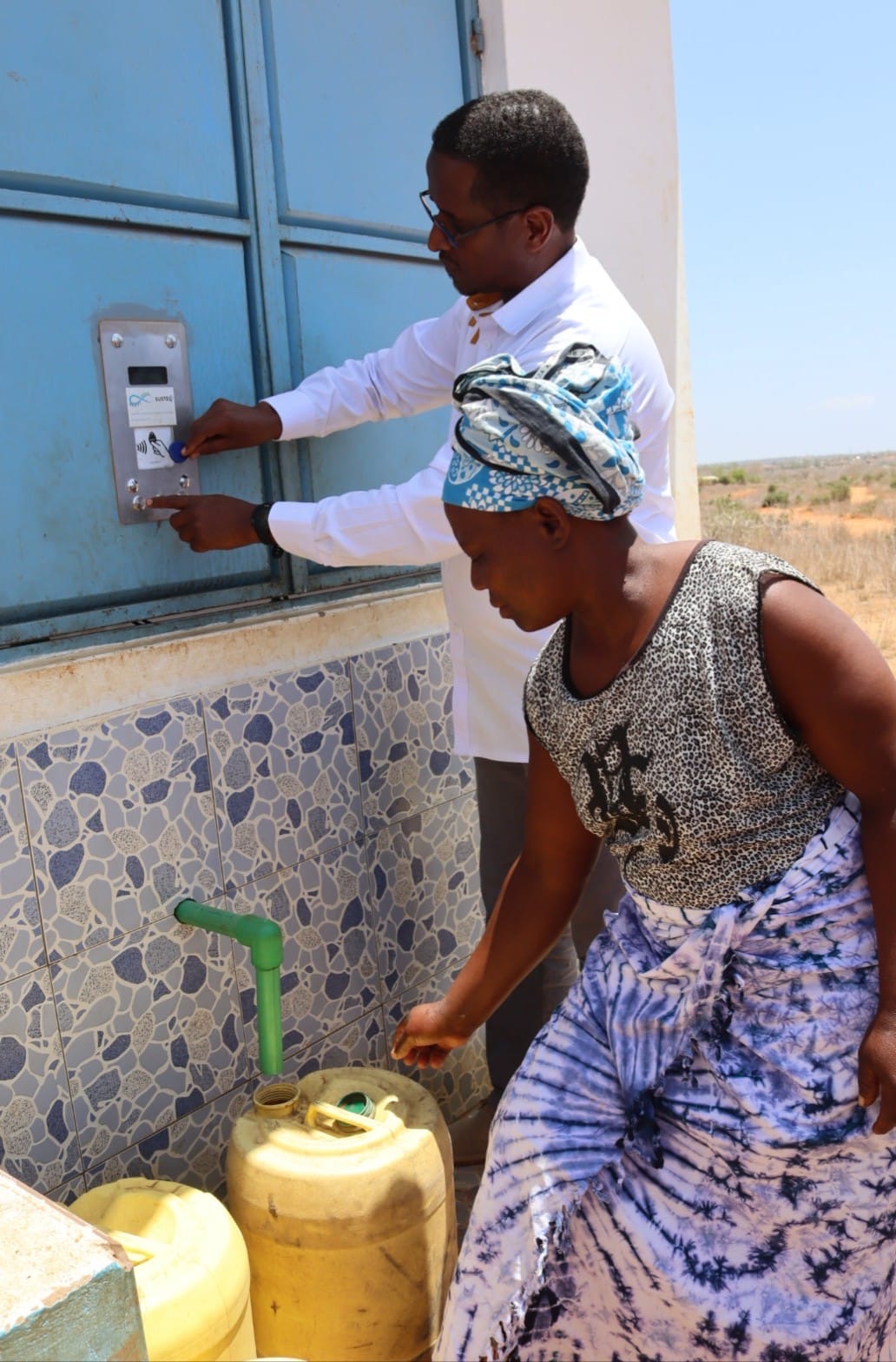
The system includes a 60,000-litre underground storage tank fitted with a solar-powered pumping system, three water kiosks — among them a pilot automated water dispensing (ATM) kiosk at Roka — four communal water points and four cattle troughs.
To enhance sustainability and operational efficiency, the project also provided two patrol motorcycles, a butt fusion machine and zonal meters to support routine operation, monitoring and maintenance.