
Kwale invests in irrigation system to boost food production
BY HUSSEIN ABDULLAHI, KNA
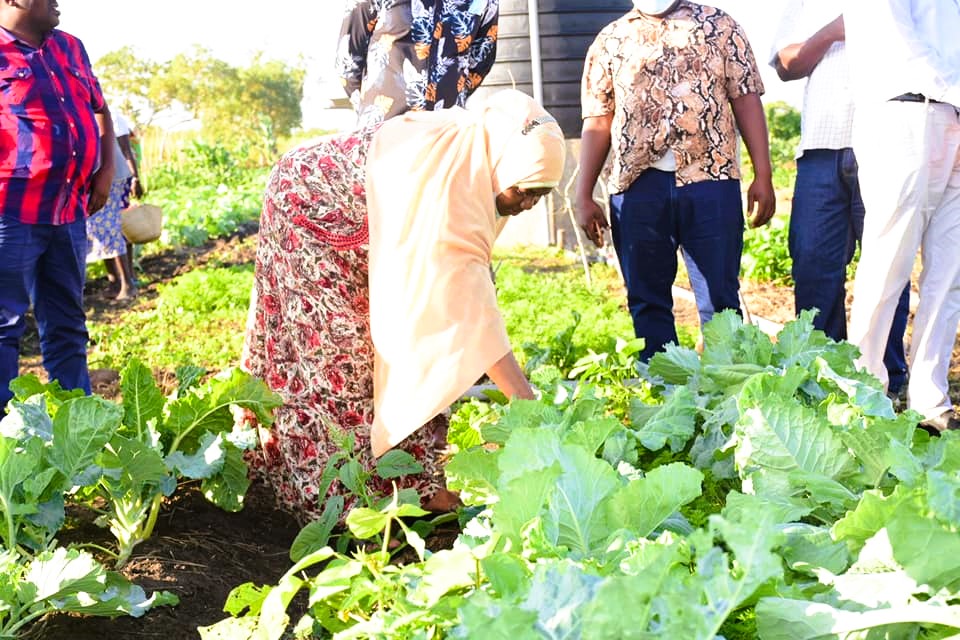
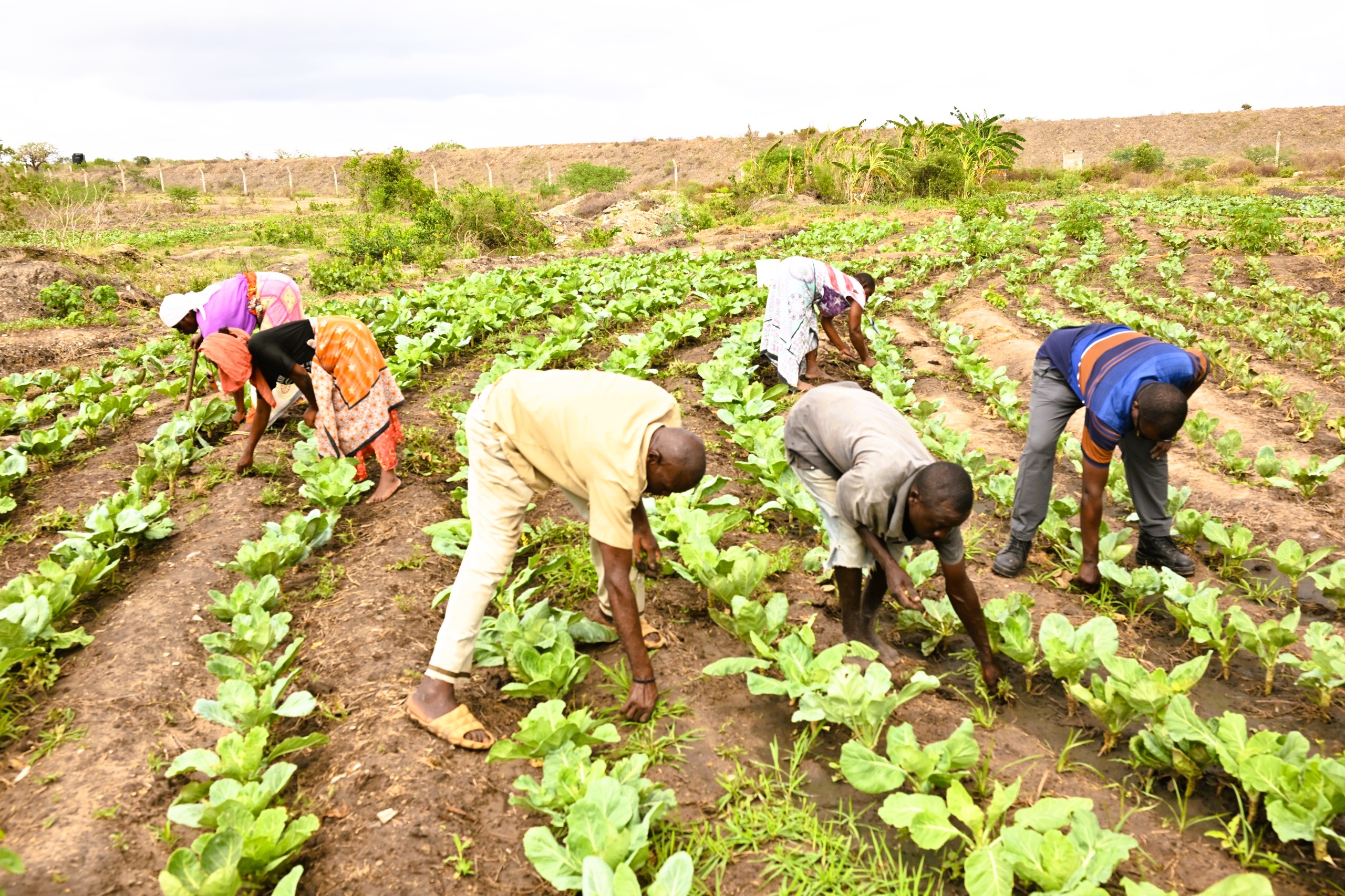
The Kwale County Government is targeting small scale irrigation schemes to boost agricultural productivity, food security and rural livelihoods.
More than 4,000 small holder farmers have been incorporated into the program through a partner ship between the county government and the National Agricultural Value Chain Development Project (NAVCDP).
The coastal county’s main sources of water are boreholes, underground, springs, dams, water pans and rock catchments. Governor Fatuma Achani said the agricultural irrigation support initiative is aimed at enhancing food security, supporting livelihoods and promoting eco nomic growth in the coastal county.
Governor Achani said the devolved government seeks to promote year-round agriculture, production and farming by embracing irrigation during the dry sea sons.
“By investing in irrigation infrastructure and technology, we expect to achieve greater food security, reduce poverty and create employment opportunities for our people,” she said.
Over 25 mega and medium dams with com ponents of small-scale irrigation schemes have been constructed across the region providing a reliable water supply to smallholder farmers.
The dams serving as reservoirs to store water for agricultural use and water for livestock include Nyalani, Mwena, Silaloni, Mwaluvuno, Kizingo, and Mwakalanga.
The dams serve as a cat alyst for modern irrigation farming, reducing dependency on rain-fed agriculture, and promoting agribusiness development.
Achani said Kwale has prioritized sustainable agriculture in its dry zones in Lunga Lunga and Kinango sub-counties by spearheading a bold initiative that has seen 250 acres of land placed under drip irrigation.
“With the irrigation schemes, arid and semi arid areas have the potential to transform from a basket case struggling with food security issues to becoming food barns,” she said, adding that Kwale is dedicated to economic growth through agricultural transformation.
Achani said the county is undertaking several irrigation projects designed as a ‘ladder out of poverty’ for the smallholder farmers in areas endowed with sufficient water resources for irrigation-based intensification.
She stated that the county is providing direct support to farmers by distributing certified seeds, improved varieties of crops, fertilizers, and irrigation equipment.
Achani emphasized the critical need for a cli mate-resilient agricultural system to counteract the increasing threats from erratic weather, droughts, and emerging pests and diseases.
The county boss reiterated the devolved government’s commitment to expanding irrigation infrastructure and access to sustainable water reservoirs particularly to arid and semi-arid areas prone to drought.
“The dams and the irriga tion projects play a critical role in building resilience to climate induced changes and making all year-round production and cultivation possible,” Achani said.
She also emphasized the need for mechanization of agriculture noting that her administration has pro vided tractors and other critical equipment to farmers to enhance productivity, and underscored the significance of technology adoption in agricultural advancement.