
Kirinyaga county expands waste management with 26 new skips
David Wandeto- KNA
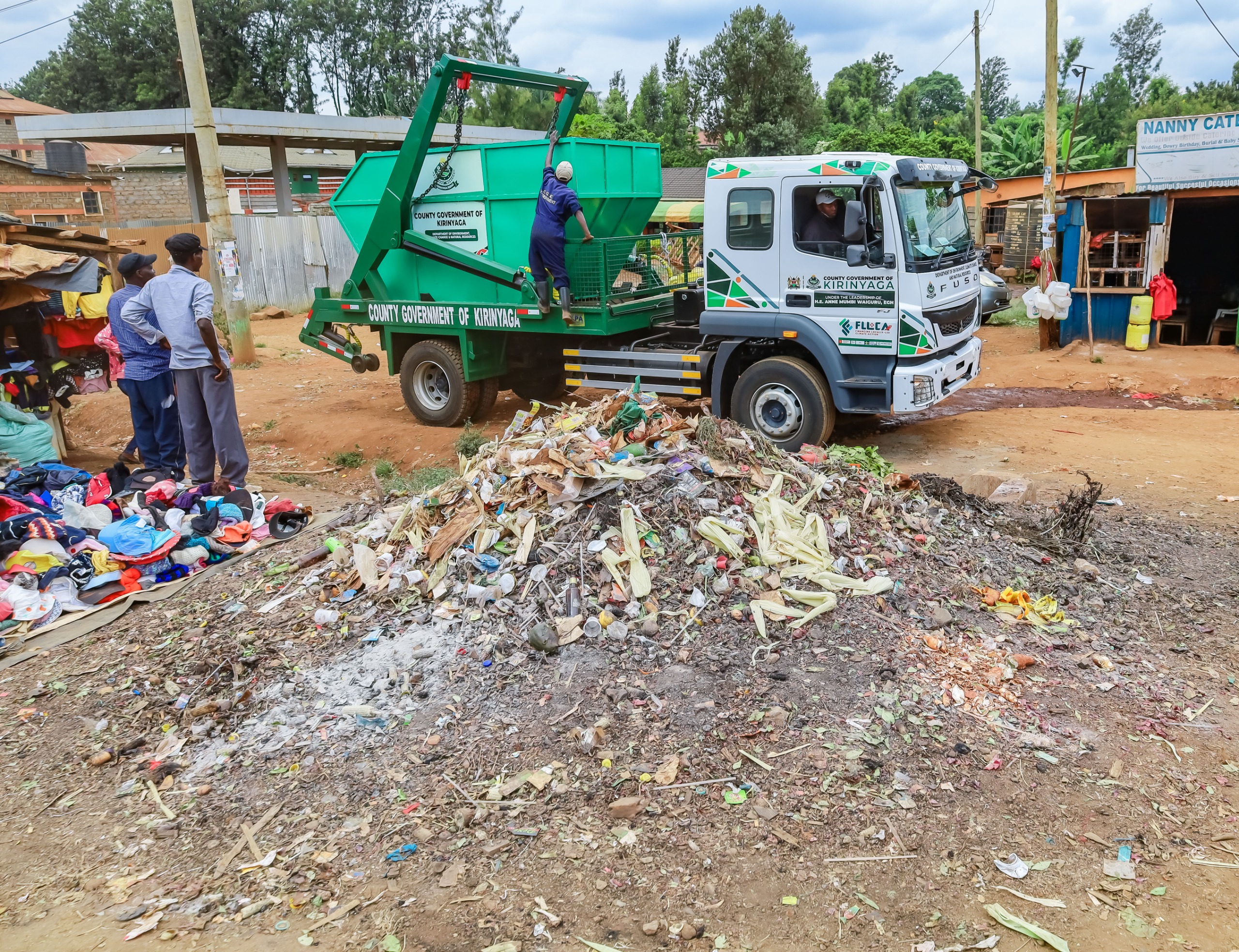
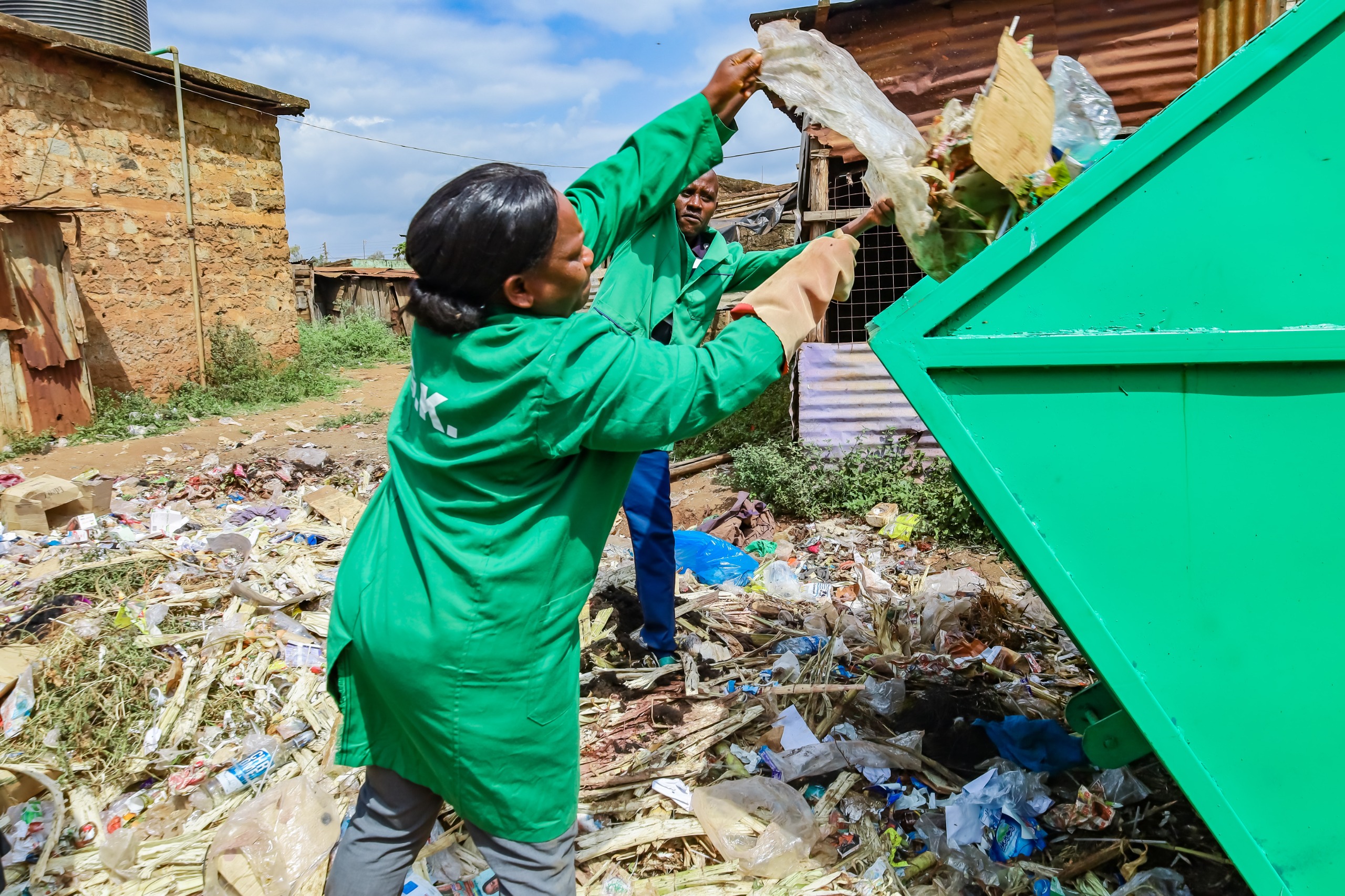
The Kirinyaga County Government has intensified efforts to manage solid waste in urban and trading centers by adding 26 new skips to the 44 already in place.
The move is part of a broader plan to build a resilient waste management system designed for long-term impact.
The rollout is part of a countywide initiative to modernize waste collection and disposal, particularly in towns that previously lacked formal waste infrastructure.
The open design skips, which allow easier waste loading and removal, have been strategically placed in high traffic areas such as Kimbimbi, Wang’uru, Kerugoya, Kutus, and other trading centers.
Governor Anne Waiguru emphasized the importance of proper waste management, citing increasing pressure on local systems driven by population growth, expanding markets, and rising volumes of commercial and domestic waste.
“Previously, the lack of proper disposal facilities in many centers led to widespread open dumping, creating health hazards and contributing to blocked drainage and flooding, which could lead to the spread of waterborne diseases,” she noted.
Waiguru said the intervention is a critical step towards the success of the material recovery facility (MRF) currently under development in Kutus. The MRF will enable waste sorting, recycling, and the recovery of useful materials, a game changer in reducing environmental pollution.
The upcoming material recovery facility is also expected to support the rise of small recycling enterprises, encourage waste segregation at the source, and offer income generating opportunities through composting, plastic reprocessing and upcycling projects.
“These skips are not just bins; they are part of a system that will help turn waste into wealth. They support our vision of an organized waste economy that protects the environment while opening up new employment opportunities,” Waiguru stated.
She added that the long-term benefits for the county include reduced costs of disease management, improved investor confidence and the growth of a formalized recycling sector that generates revenue while lowering landfill maintenance costs.
This waste management initiative is anchored in the Financing Locally Led Climate Action (FLLoCA) program which aligns with the county’s broader climate change adaptation and mitigation strategies and supports national and global calls for localized, climate-resilient solutions.
Albert Mbogo, a second-hand clothes vendor at Piai, said he previously had to use his own money to manage uncollected waste near his stall.
“Now I won’t have to hire people to clean the mess. This initiative protects both my health and my earnings,” Mbogo said.
Pauline John, a trader at the Kimbimbi market, recalled how rotting waste and organic garbage once created unbearable odors that kept customers away.
“With these new skips and regular collections, the difference is already noticeable. Our market is cleaner and safer. It was hard to explain to buyers why the air smelled so bad. Now, with regular collections, our stalls are more inviting,” she noted.
Beyond cleanliness, the enhanced waste management system is already creating jobs. From truck drivers and waste collectors to recycling agents and youth groups involved in cleanup drives, the initiative is boosting local employment in a way that is both climate-conscious and economically inclusive