
Kenya’s coffee sector receives boost with state-of-the-art training facility
Violet Otindo-KNA
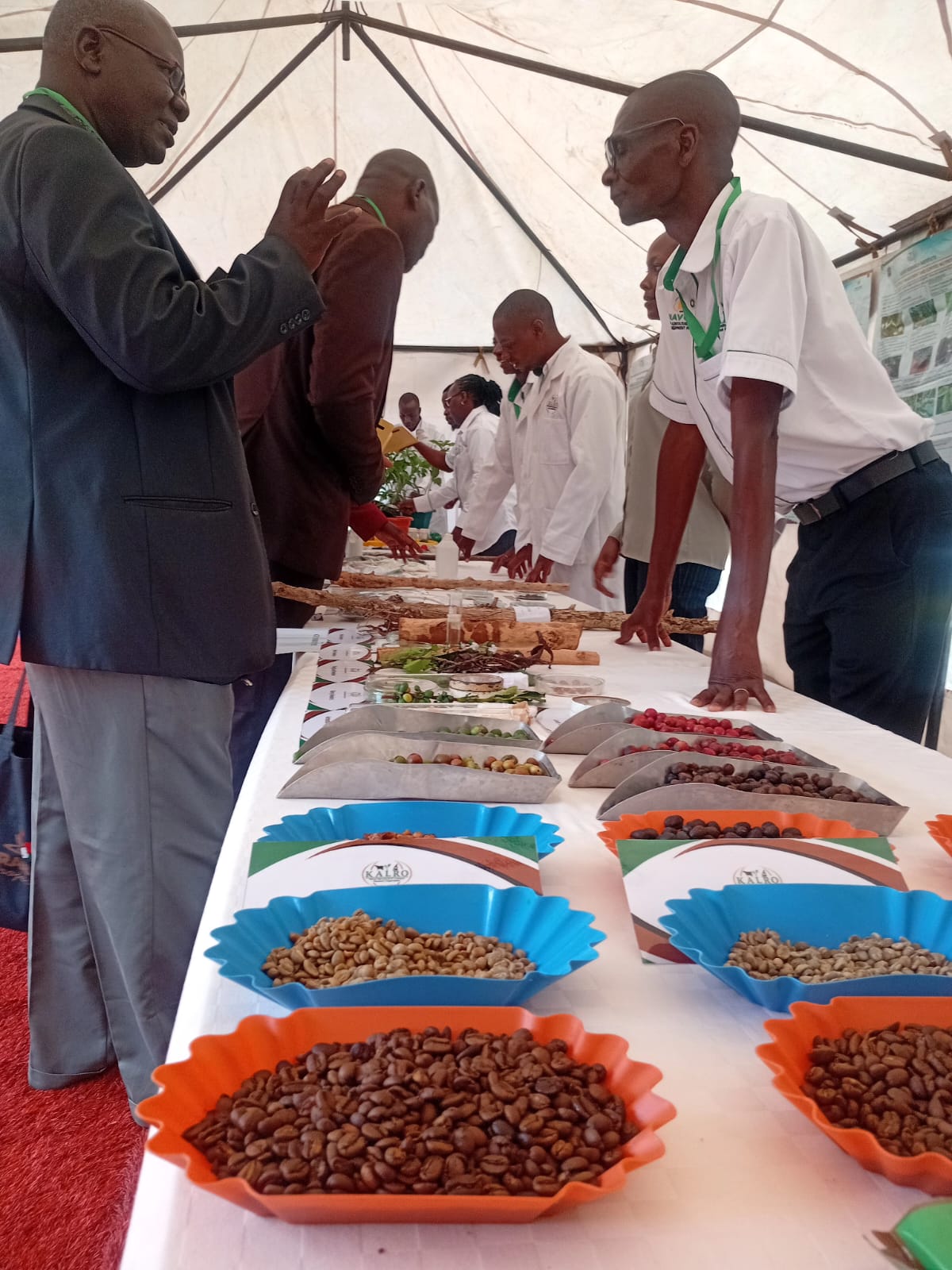
The Kenya Agricultural and Livestock Research Organization (KALRO) is establishing a coffee training centre at the Coffee Research Institute (CRI).
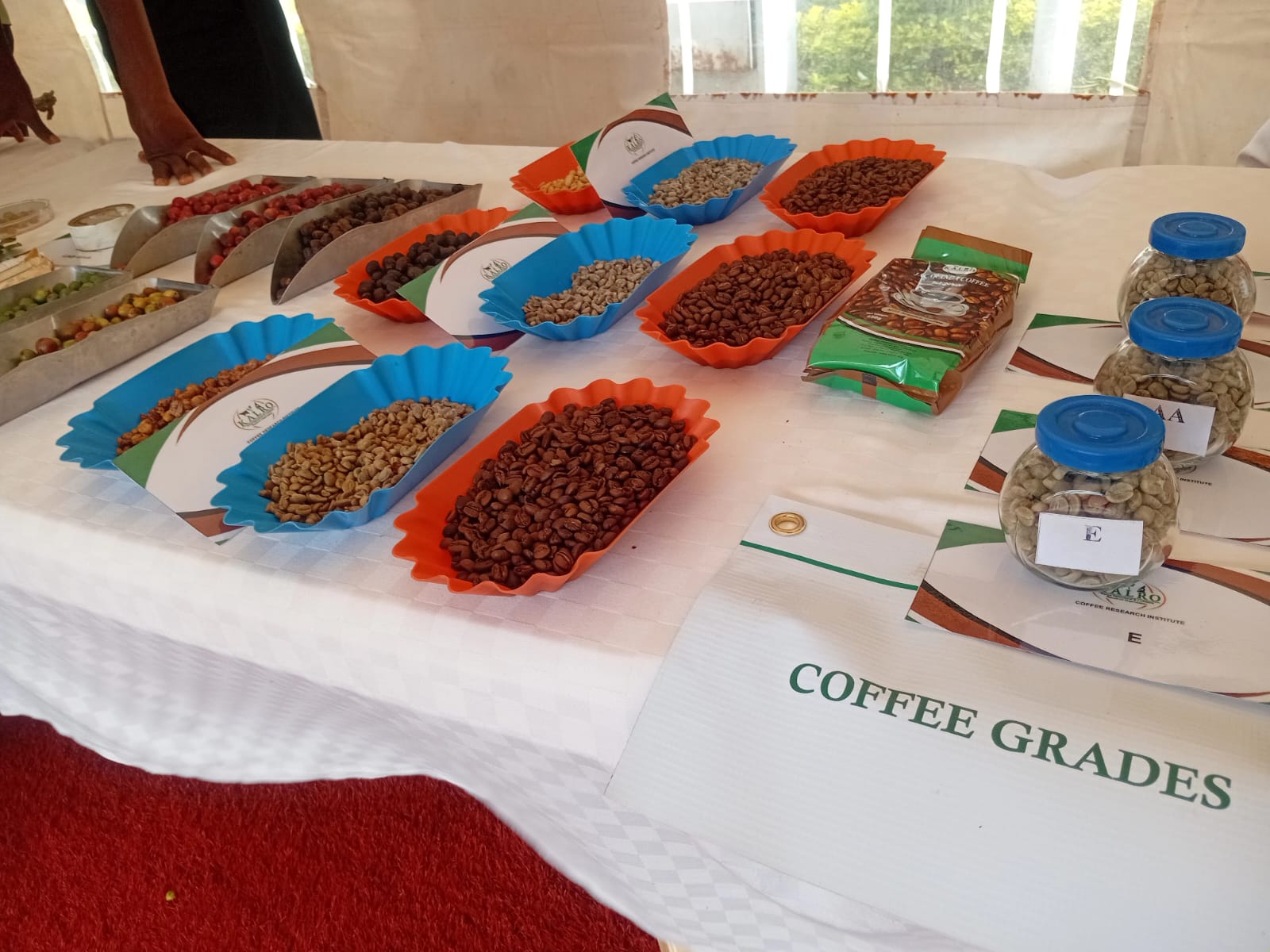
The construction of the facility will be supported by the United Nations Industrial Development Organization (UNIDO) and will serve as a centre of excellence for green coffee quality control, cupping, roasting, blending, brewing, packaging, coffee entrepreneurship and professional development.
"This training centre will not only provide coffee professionals with essential skills but also open new opportunities for job creation and economic growth.
“We believe that strengthening capacity at all levels of the coffee value chain will ensure long-term success," said Leonard Kubok, the Deputy Director, State Department of Agriculture who represented the Principal Secretary for Agriculture Dr. Kipronoh Ronoh.
He said the coffee training centre (CTC) aims to foster stronger linkages between farmers, cooperatives, traders, and international buyers—ensuring that Kenyan coffee continues to command a premium position in global markets.
“The coffee sub-sector remains a crucial pillar of Kenya’s economy, supporting over 700,000 rural households and contributing significantly to employment and foreign exchange earnings.
“Strategic collaborations such as the ARABIKA Project are critical to ensuring that Kenya maintains its global reputation for high-quality coffee,” said Henry Kinyua from the President Economic Transformation Secretariat.
Highlighting Kenya’s potential in the coffee industry, Tigania West Member of Parliament Dr. John Kanyuithia Mutunga stated, "Coffee is a high-value crop, and Kenya has an opportunity to surpass the 130,000 metric tonnes that it used to reach previously by exploiting every favourable land for coffee, as well as increasing production per tree to more than 15 kilogrammes.
“This can be achieved with correct policies that support farmers in having the right varieties, farming techniques, and good returns," he said.
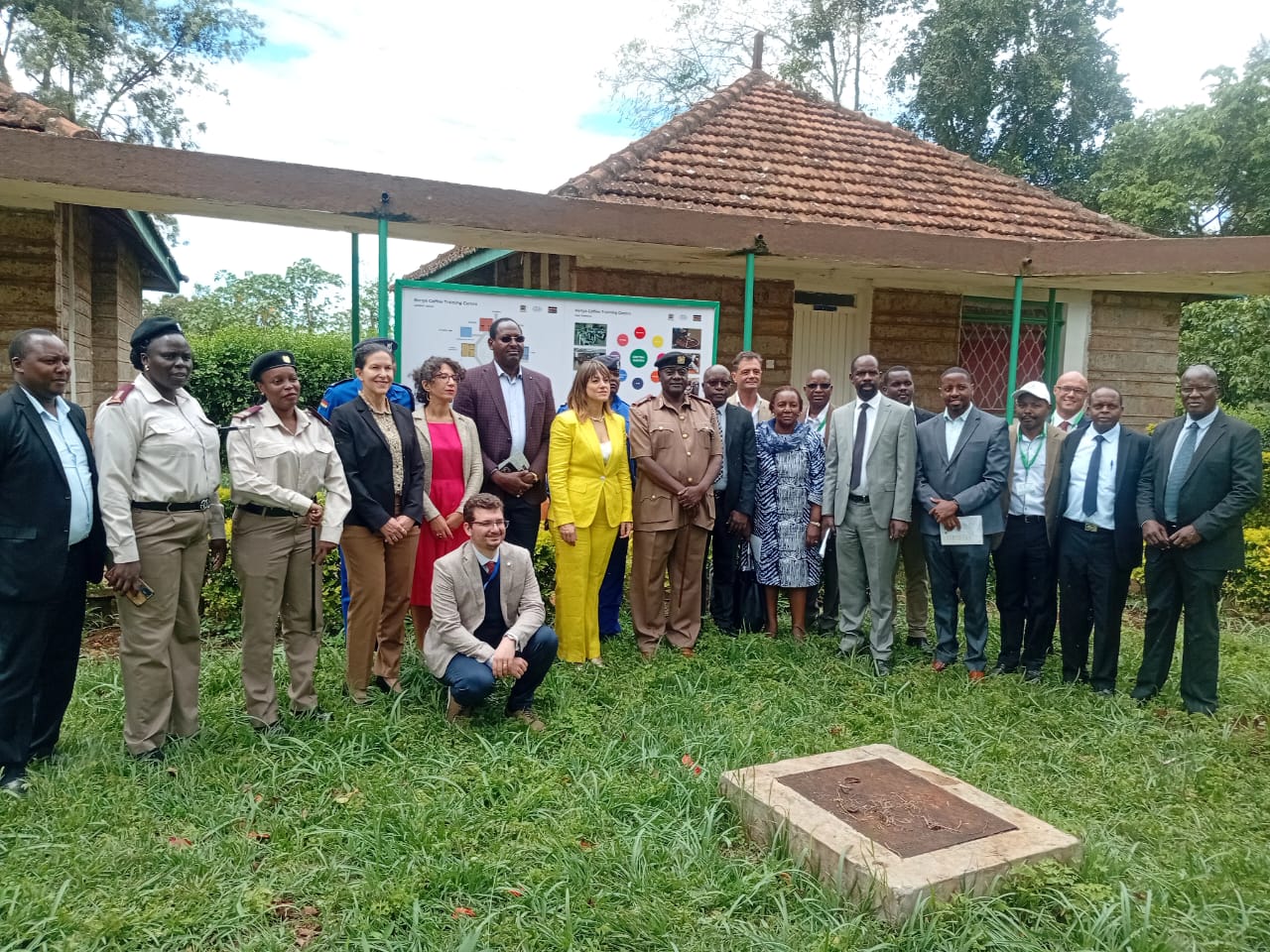
Present were the Deputy County Commissioner for Juja Daniel Ndege, various heads of departments from the county and coffee farmers.
Dr Mutunga said the groundbreaking ceremony was not just about infrastructure; it was about shaping the future of Kenya’s coffee industry.
“With sustained investment in research, training, and market expansion, the sector is poised for long-term transformation, benefiting farmers, traders, and coffee lovers worldwide,” he said.
At the same time the Agriculture and Branding Internationalization of Kenyan Coffee in and out of Africa (ARABIKA) Project was relaunched.
Funded by the Government of Italy through the Italian Agency for Development Cooperation (AICS) at a cost of €3 million, the ARABIKA Project has been instrumental in enhancing Kenya’s coffee industry.
The project is being implemented by CEFA, E4Impact, and AVSI Foundation in collaboration with key stakeholders, including county governments and cooperative societies.
The Chairman of the Agriculture Committee in Parliament Dr. John Mutunga lauded the initiative, stating, "The ARABIKA Project has been a game-changer for our coffee farmers. By focusing on quality enhancement, sustainability, and governance, we are positioning Kenyan coffee for even greater global recognition."
The ARABIKA Project focused on building coffee tasting skills by training farmers in cupping techniques, enabling them to assess and enhance the quality and competitiveness of their produce.
"Over the past years, the initiative has empowered farmers with critical knowledge, improved production techniques, and strengthened international market linkages, ensuring the country’s coffee retains its premium status," said Lorenza Gambocorta, the Deputy Head of Mission, Embassy of Italy.
The project integrated climate-smart agricultural practices, including effective disease control and eco-friendly post-harvest handling methods to so as to promote sustainability, he said