
Kenya partners with Korea to boost rice seed production
Wangari Ndirangu -KNA
Kenya is developing a seed system for rice production to bridge the deficit in importation currently at 85 per cent.
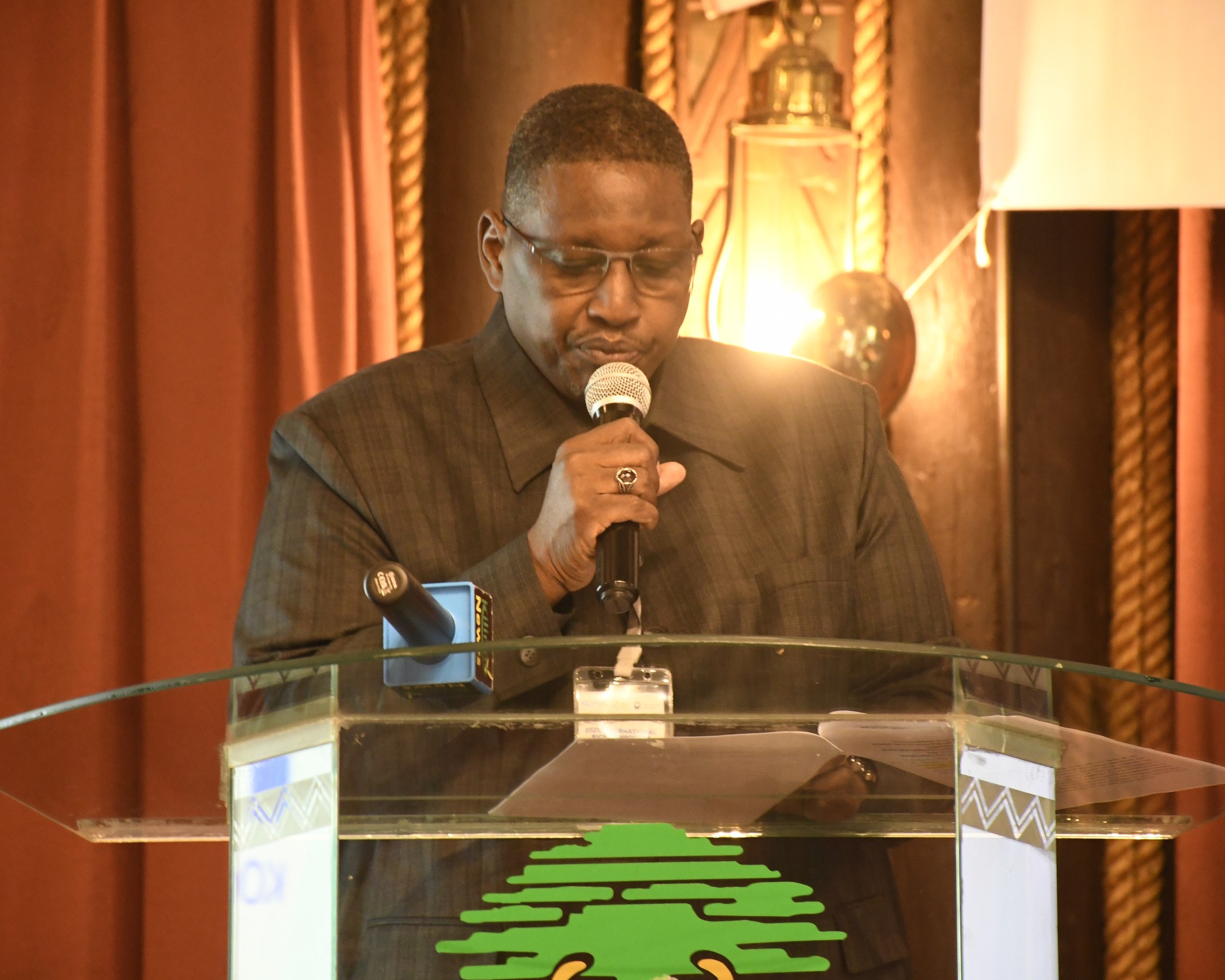
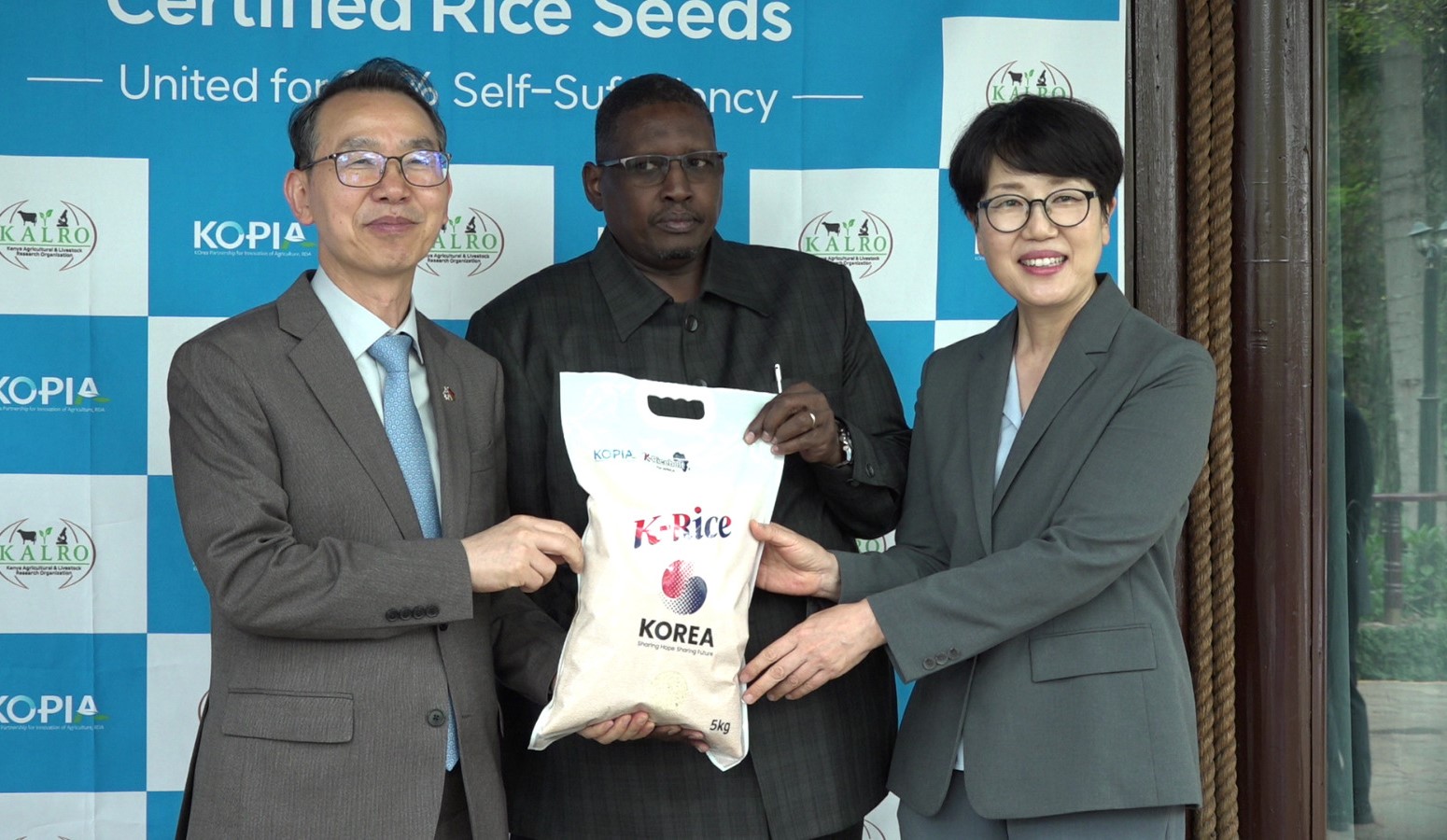
The Kenya Agricultural Livestock Research Organisation (KALRO) Director General Dr Eliud Kireger said the organisation has partnered with the Korean government which is supporting the seed system through certified quality seed.
The DG, who was speaking during a one-day symposium to discuss rice production in Nairobi, said the consumption of rice is going up because of the younger generation, who are not very much interested in ‘Ugali.”
“We have some local varieties that we have developed here, but the Koreans have very good quality and high-yielding rice varieties, and therefore we are testing those varieties and then introducing them to Kenya,” Dr Kireger said.
He added that the development of a facility in KALRO Mwea will enable production of certified seeds for the farmers not only for Mwea but for other areas at the Coast, Ahero, and Nyanza.
“The key thing here today is to concentrate on how we can empower our farmers to increase their production from the current 2.5 to 3 tons per hectare to 4.5-5, up to 7 hectares,” he added.
Dr Kireger said the Korean government is supporting KALRO in infrastructure and seed production, cleaning, and seed storage.
“We are also investing in research to produce quality certified seeds. Bringing in several varieties for trials here. Looking at which one performs best, it adopts it and produces it for the farmers,” he said.
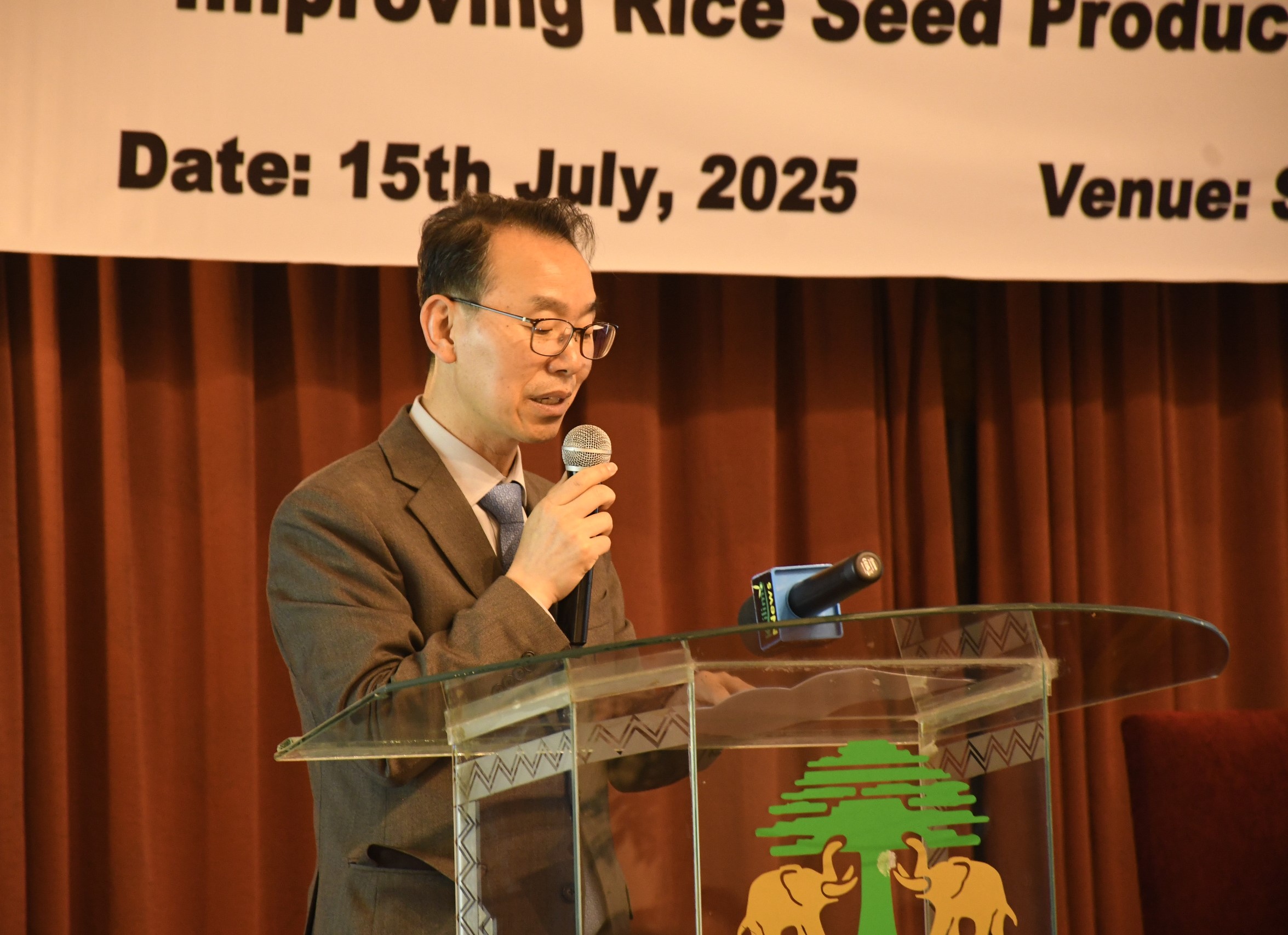
Korean Ambassador to Kenya, Hyung-Shik Kang, said the cooperation between the two countries dates back to 60 years, a major milestone in bilateral relations, especially cooperation in the agriculture sector.
“This important symposium on improving the rice seed production system in Africa is very necessary because in Africa, the agricultural sector has a very important role, accounting for more than 40 per cent of employment,” he said.
Kyung-Shik said the two projects, namely the K-Rice Belt to enhance food production and address the food shortage crisis, also account for the seed production system complex.
He said the K-Rice project will be expanded in the future to contribute to addressing food shortages, especially rice shortage problems. He said there is a huge potential for more collaboration between the two nations in areas of trade and investment.
“The Korean companies are seeking to explore opportunities in the agricultural sector and the food processing manufacturing, and I want to promote more business opportunities to Kenya, which is a very favorable investment environment,” Kyung-Shik said.
Dr Ruth Musila, the Center Director for KALRO, Mwea, who is the principal investigator for the KOPIA project, said they have selected three food varieties namely Ukafasi 39, ISRIS 6 and ISRIS 7 that are under the National Performance Trial Season 1.
“We are going to do another season from October, so that by next year January, we will have results from the national performance trials and once they have passed, they can be released,” she noted.
Dr Musila said KALRO will be looking at the qualities of these particular seeds that make them attractive for the Kenyan ecological system saying the varieties are very high yielding compared to the local.