
Kenya aligns training programs with global standards to boost labor exports
HUSSEIN ABDULLAHI- KNA
Kenya’s labor index is in good standing globally, leading many countries to seek Kenyan workers for their skills and competencies. As a result, Kenya is becoming a labor-exporting country, according to Shipping and Maritime Affairs Principal Secretary (PS) Geoffrey Kaituko.
“We have many young people, some of whom are eager to secure jobs in global labor markets. As a country, we aim to position ourselves strategically,” Kaituko said.
“Previously, during my tenure at the Ministry of Labour, I facilitated bilateral labor agreements with 19 countries. This was in recognition of the fact that, while we face unemployment challenges, there are other countries in need of a skilled workforce from Kenya,” he added.
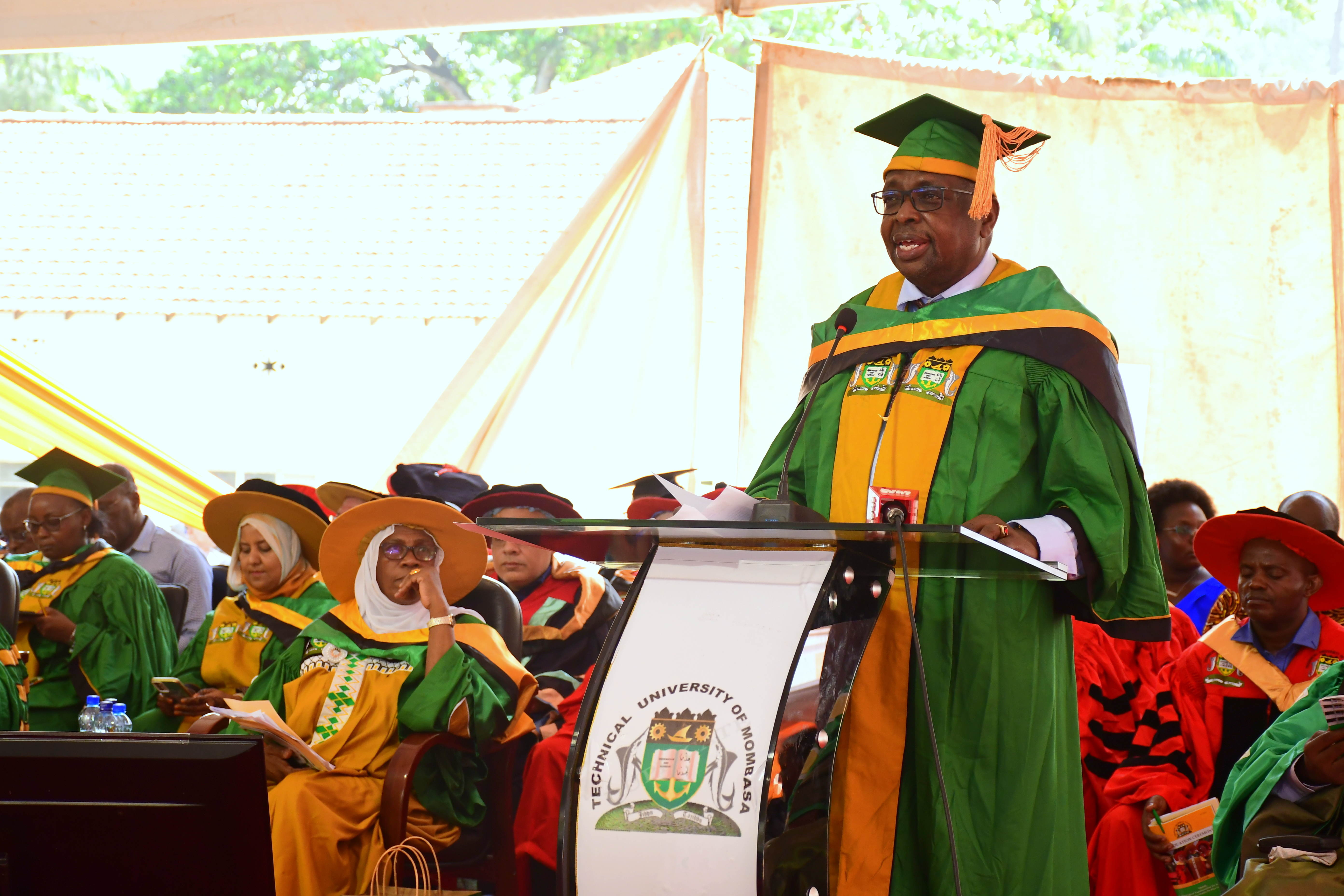
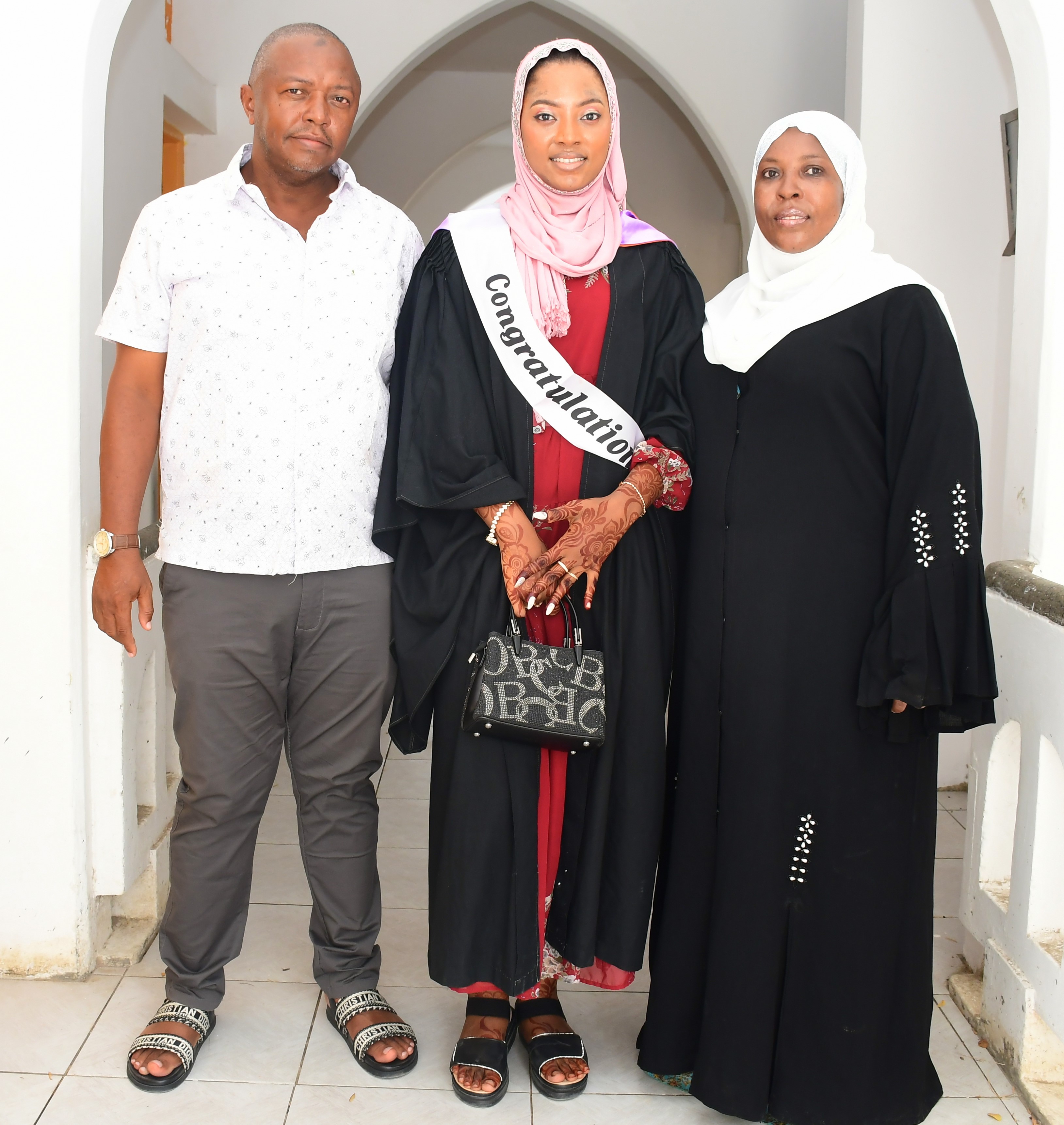
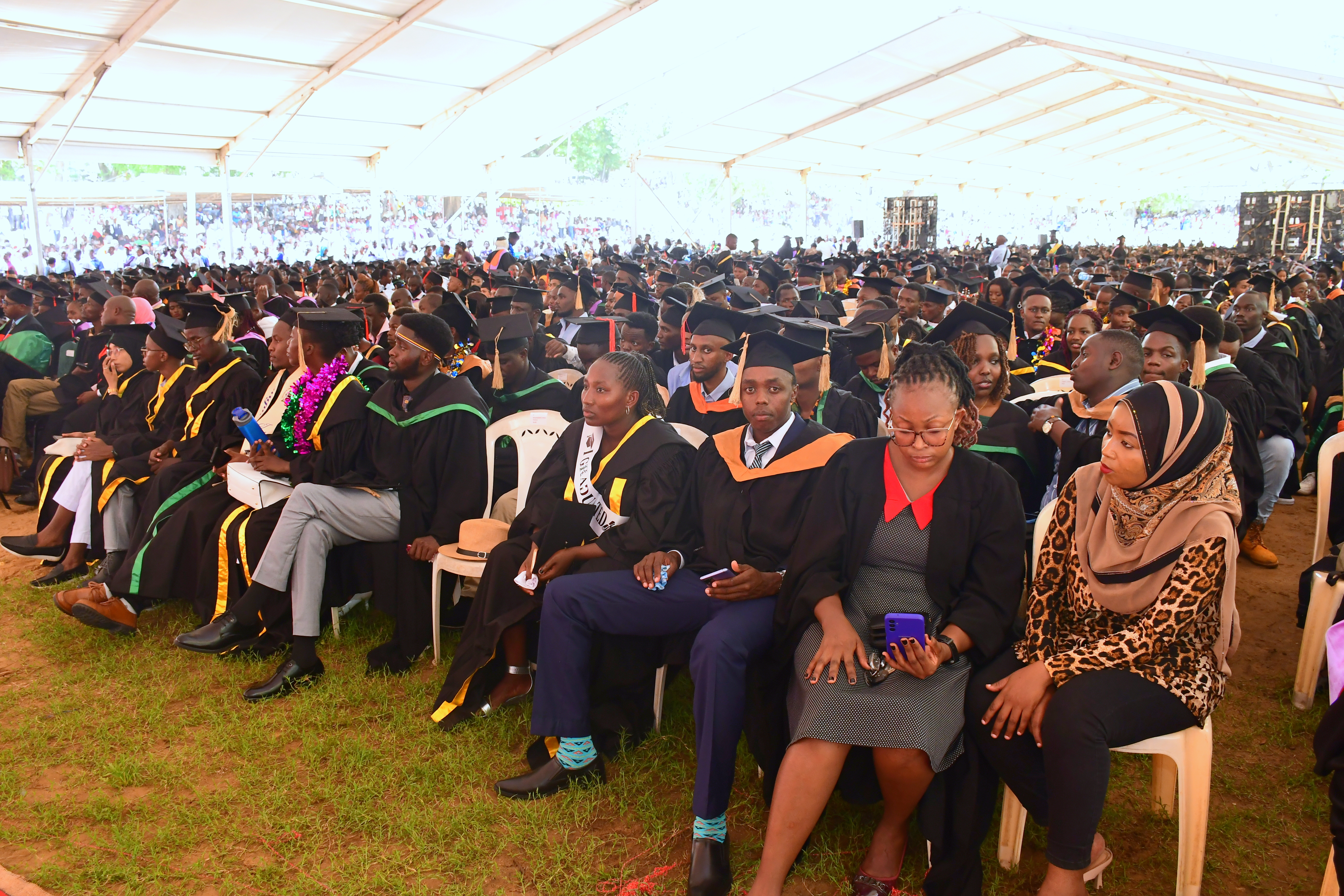
Kaituko was speaking during the 11th graduation ceremony at the Technical University of Mombasa, where over 4,000 students graduated.
The PS noted that the graduates are entering the workforce at an opportune time, as Kenya is focusing on creating job opportunities both locally and abroad, particularly in the blue economy sector.
“It is, therefore, essential that education and training programs align with both national policies and international conventions, such as the International Maritime Organization’s Standards of Training, Certification, and Watchkeeping (STCW) for seafarers,” he emphasized.
“By adhering to these standards, we ensure that our graduates are globally competitive and capable of securing employment in international waters,” PS Kaituko said.
He noted that since 2011, Kenya has been in the IMO whitelist, meaning that those who do maritime education programs in Kenya are qualified to work onboard vessels from other countries.
“That is a standard we want to maintain,” Kaituko said. An integral part of the country’s economic sectors, the Blue Economy encompasses diverse activities such as mining, fisheries, aquaculture, oil and gas, renewable ocean energies, tourism, maritime transport, among others.
He said the government is committed to creating an enabling environment for the maritime sector to thrive, adding that strengthening maritime governance is the cornerstone of the commitment.
Kaituko said the maritime industry is an indispensable pillar of global trade and economic development, with over 90 per cent of the world’s goods being transported by sea.
“The need for highly skilled and competent maritime professionals cannot be overemphasized. Kenya therefore positions itself as a key player by ensuring that our institutions of higher learning, and in particular universities and colleges, are equipped to deliver education and training that meets both national and international standards,” he said.
He said the need to invest in capacity building to get the right competences while imparting knowledge remains a top priority, besides investing in modern equipment and machinery to complement theoretical learning in simulated environments.
The PS said the responsibility to harmonize and align the training does not solely lie with the government but takes a collective effort from all stakeholders.
He said TUM is fast becoming the premier maritime educational university in the region. TUM Vice Chancellor (VC) Prof Leila Abubakar said over 4,000 graduates are ready to step into the labour market. “You now step boldly into the world equipped to face the challenges and opportunities ahead,” the VC said.
She noted that TUM continues to grow as a centre of knowledge, innovation and opportunities.
Prof Abubakar said the graduation ceremony’s theme, “Technological transformation for sustainable opportunities within the blue economy”, reflects the shared responsibility in safeguarding the planet’s future. “It highlights the intersection of innovation, sustainability and the vast untapped potential of the blue economy,” she said.