
KALRO’s digital soil mapping set to transform farming practices across 45 counties
Kiptanui Cherono -KNA
The Kenya Agricultural and Livestock Research Organization, KALRO, has embarked on a national digital soil mapping programme to determine the soil fertility in the country.
According to an environment and resource management officer at KALRO Ms Agnes Yobterik, the National digital soil mapping programme will be carried out in 45 counties apart from the urban counties of Nairobi and Mombasa.
The initiative, she said, was aimed at developing a soil information system, adding that they would be undertaking soil fertility analysis to determine soil status from 77,969 points targeted for sampling across the country.
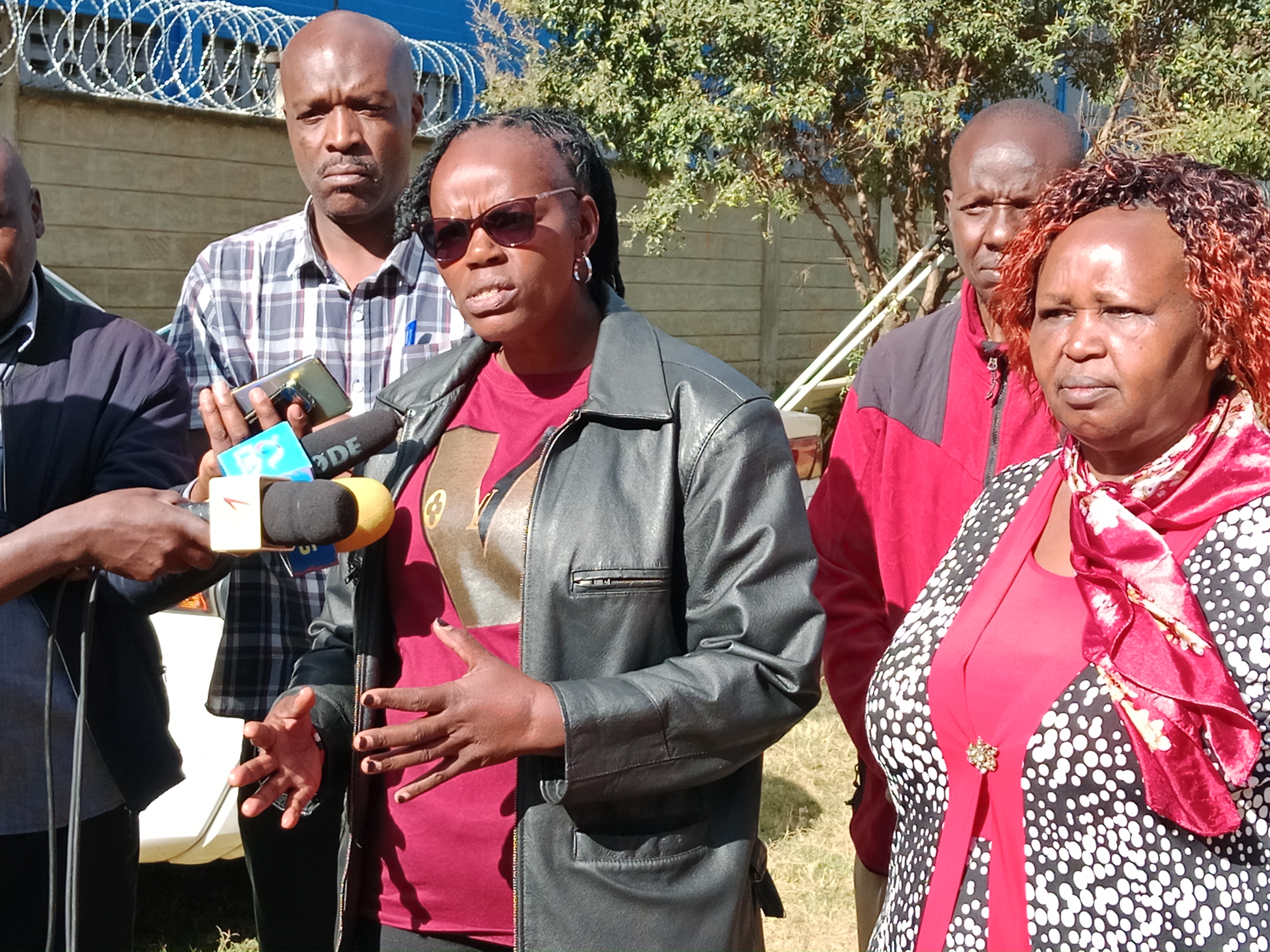
Speaking during a press briefing in Eldoret where a team from KALRO will be undertaking the exercise in collaboration with the county governments of Uasin Gishu, Elgeyo-Marakwet, Trans Nzoia, Turkana, and Bungoma, Ms Yobterik said the decision to undertake the programme was informed by soil fertility challenges experienced in the country.
“Several initiatives have been done in the past to understand the status of our soils, but the data is over 10 years, few studies carried out in the intervening period have shown that soils in most agricultural landscapes have increasingly become acidic,” Ms Yobterik said.
There is therefore a critical need to re-look at the status of our soils so that we know the level of the various nutrients in the soils to be able to guide the way we apply fertilizers.
Going forward, she said, they will recommend that whatever fertilizer is formulated be tailor-made to farm specifics.
Ms Yobterik added that the programme's goal was for the country to understand its soils, specifically their nutrient needs, and tailor-made fertilizer applications.
In her remarks, KALRO Food Crops Research Institute Kitale Deputy Institute Director Dr. Mary Koech, the group team leader said they expect that by the end of the exercise they will know the status of the soil fertility in the various regions and come up with specific fertilizer recommendations for farmers.
She added that Kalro expects that the outcome of the exercise would inform policymakers on fertilizer use in the country and inform the government about the future distribution of subsidized fertilizer.
“The government will know which area lacks what soil nutrient, and the type of fertilizer suitable for which area, out of all these we anticipate we are going to improve productivity and ensure we have adequate food security in the country,” Dr. Koech said.
To ensure the success and sustainability of the programme, youthful agri-prenuers will assist in collecting soil samples from farmers and create awareness of the importance of soil testing.
Farmers from the north rift region will have their soil samples tested at Kalro Kitale where an MIR machine will be installed, this will make it easy for faster testing and analysis of the soil so that farmers get results faster, the deputy said.
Every county will have seven to 10 agriprenuers in every ward, she said, adding that they expect to come up with digital maps where farmers will be able to see which nutrients are lacking in their soil and the appropriate balanced fertilizer to apply.