


State to compensate victims of human-wildlife conflicts
Emmanuel Masha and Kwekwe Lugua- KNA
The Government has disbursed Sh60.38 million to compensate 24 families whose relatives were killed in wildlife-related incidents between 2014 and 2020 in Kilifi County.
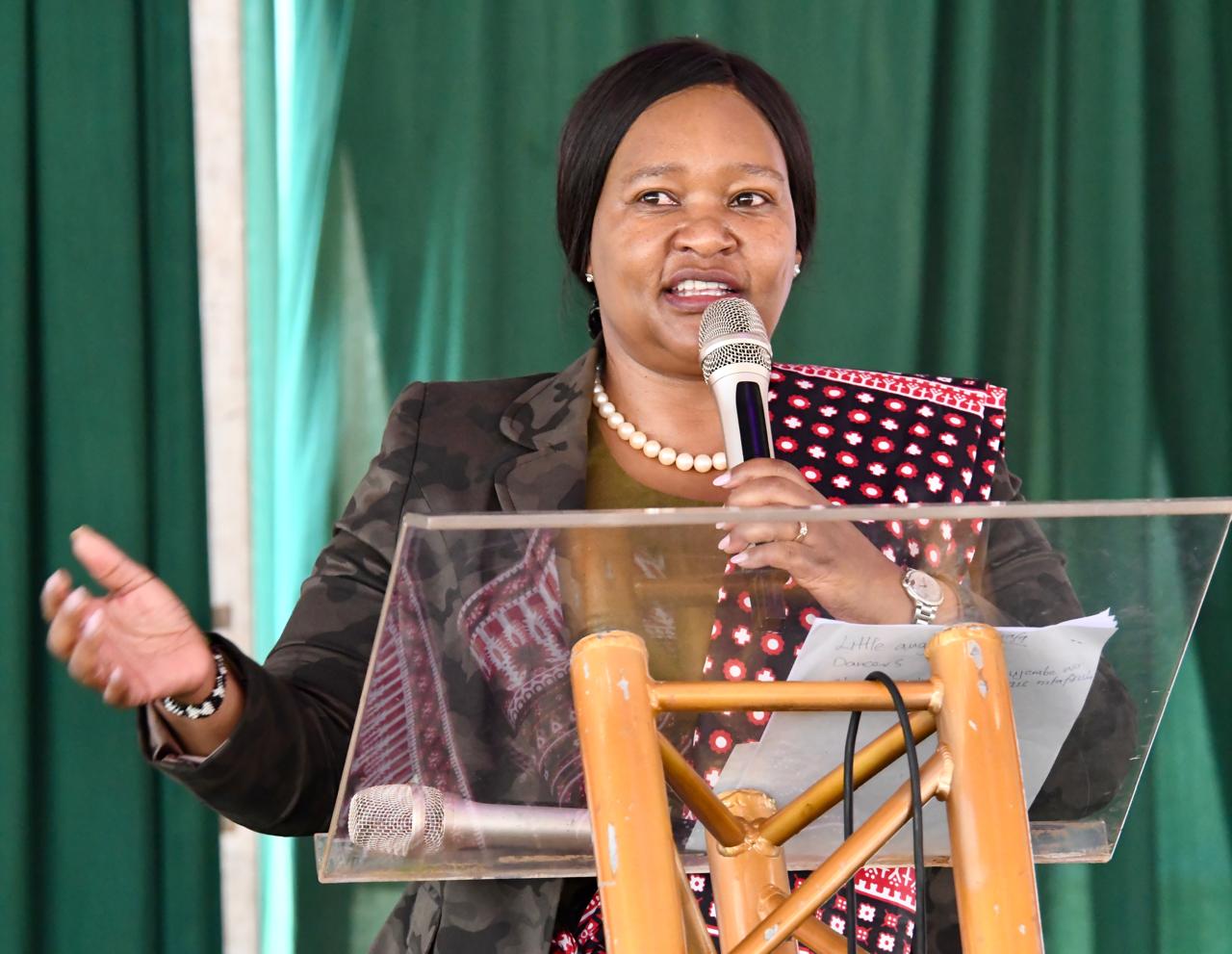
Tourism and Wildlife Cabinet Secretary (CS), Rebecca Miano emphasised the government's commitment to restoring dignity and trust among bereaved families.
She was speaking at Marafa Vocational Training Centre in Magarini Sub- County while issuing the cheques.
She was joined by the Chairman of the Kenya Wildlife Service (KWS) Board of Trustees, Lt. Gen. (Rtd) Walter Raria Koipaton, KWS Director General, Prof. Erastus Kanga, and the Wildlife Conservation Secretary in the State Department for Wildlife Mr. John Chumo.
The CS noted that human-wildlife conflict remains a pressing issue in Kilifi, with over 1,300 incidents reported since 202. She expressed remorse for the fatalities, injuries and widespread destruction of crops.
“While wildlife is a treasured gift to our nation, we must take proactive measures to prevent these adverse interactions. We are working to ensure animals remain within designated habitats, allowing residents to farm and conduct business without fear,” Miano said.
She said the ministry had launched a digital platform that enables affected individuals to file claims electronically with a view to accelerating the payment process and curb fraudulent reporting.
The CS announced that plans are underway to prioritise construction of an electric fence along the Tsavo East–Kilifi boundary within the next one year, even as the ministry and KWS deploy modern surveillance tools to facilitate rapid tracing and prompt response.
“Before the fence is finalised, we shall deploy modern surveillance tools such as drones, mobile technology and cameras to facilitate rapid response. We are also engaging community leaders to develop grassroots-based solutions,” the CS said.
A dispatch from the Ministry and KWS communication teams indicated that the government had already disbursed Sh2.8 billion in compensation nationwide to families affected between 2014 and 2020, with an additional Sh1.36 billion under processing.
Local leaders praised the government for the initiative but emphasised the need for an electric fence to be erected between the Tsavo East National Park and Kilifi County to prevent elephants from straying from the park to invade homes and farms, a menace that is reportedly rampant in Ganze, Kaloleni and Malindi Sub-Counties.
Koipaton stated that the board would guide KWS to become a more community-oriented, solution-driven institution anchored in transparency, partnership, and innovation.
Prof. Kanga acknowledged the hardship caused by recurring wildlife incursions in Ganze, Magarini and Vitengeni, and pledged KWS’s unwavering commitment to protect communities while conserving Kenya’s natural heritage.
He also confirmed the deployment of a fully equipped Problem Animal Management Unit (PAMU) in Kilifi, to improve rapid response and reduce fear among residents.
“These interventions, which are anchored in the KWS Strategic Plan 2024–2028 and the Bottom-Up Economic Transformation Agenda, reflect a shared vision: a future where communities and wildlife not only coexist but flourish together in safety, harmony and mutual benefit,” Prof. Kanga added.
Kilifi County Commissioner, Josphat Biwott, called for the demarcation and gazettement of wildlife migratory corridors from the Tsavo National Park to other conservation areas which he said had a correlation with the park.