
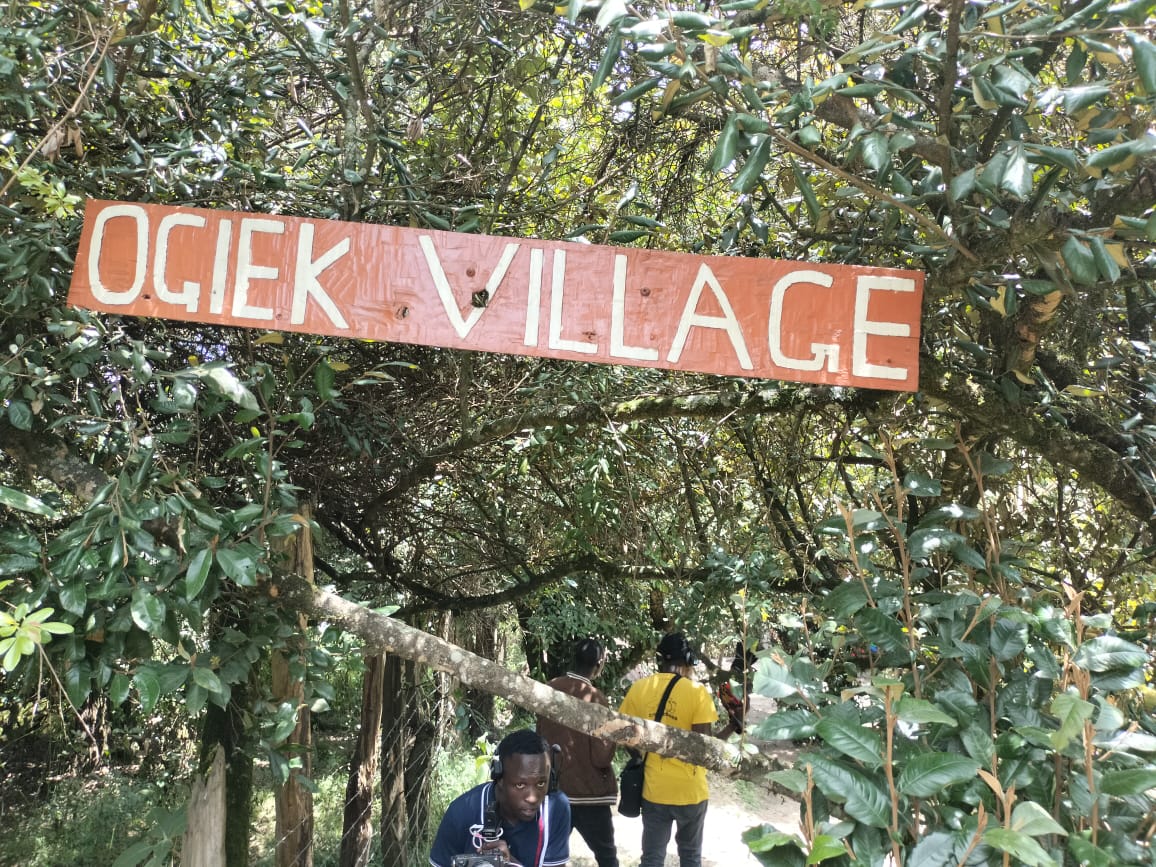
Ogiek community pushes for recognition as custodians of culture and forests
LAMECH WILLY. A -KNA
For centuries, the Ogiek people have lived in harmony with the Mau Forest Complex, drawing their food, medicine, and spiritual identity from its vast green canopy.
But for a community long excluded from official recognition, their annual cultural festival is more than a celebration; it is a statement of existence.
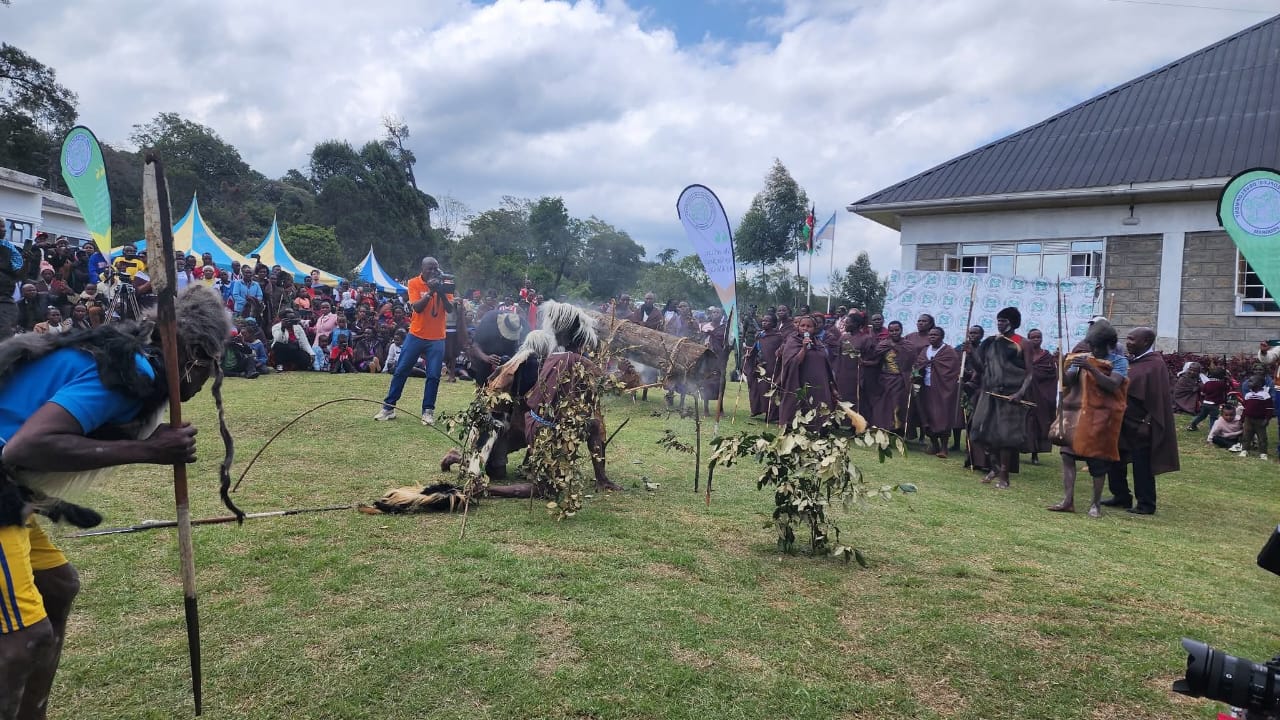
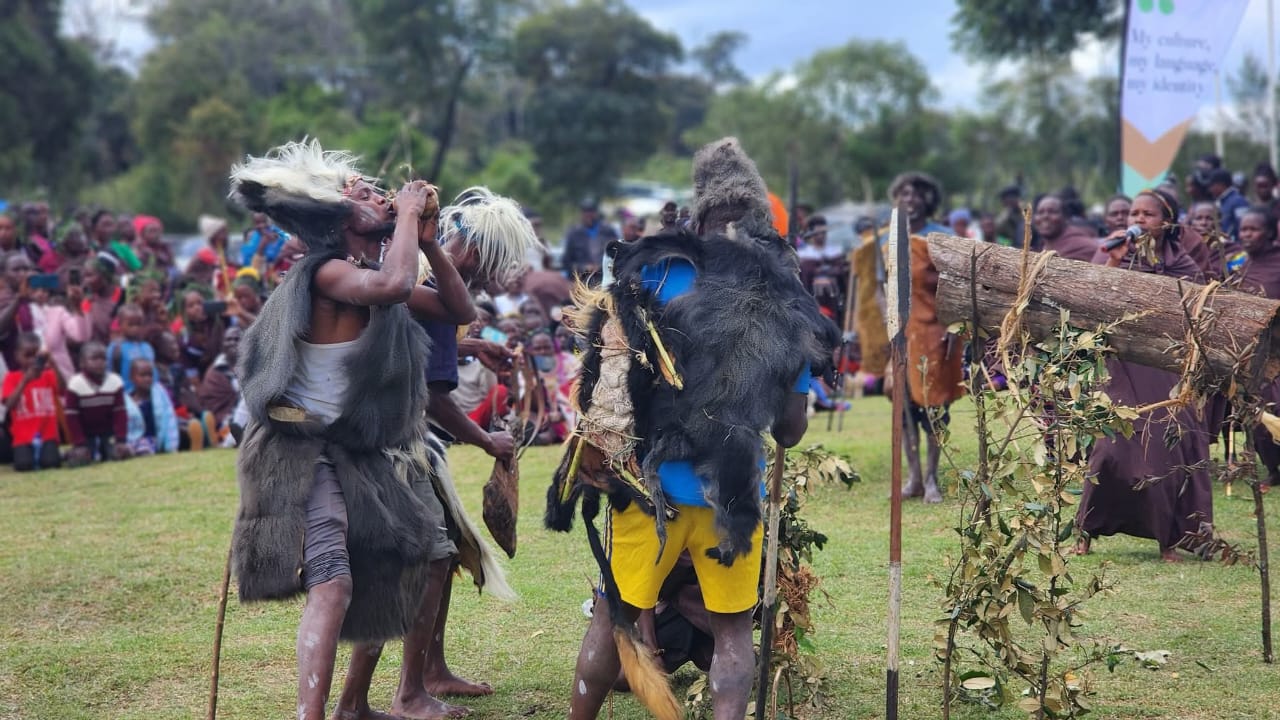
At the 6th Annual Ogiek Cultural Festival in Nkareta, Narok North, drums, songs, and traditional dances filled the air as the community showcased their heritage.
Yet behind the colourful displays lay a deeper message; the Ogiek want Kenya, and the world, to acknowledge their culture, protect their rights, and secure their ancestral land.
Daniel Kobei, Executive Director of the Ogiek Peoples’ Development Programme (OPDP), said the festival serves as both cultural revival and advocacy.
“Every year we bring our people together to remind the younger generation who they are,” Kobei explained.
“Through weddings, skits, and songs, we teach them that without culture, you have no history, no heritage, no future. The Mau Forest is our home, our supermarket, and our pharmacy. It gives us food, honey, and medicine, which is why we protect it.”
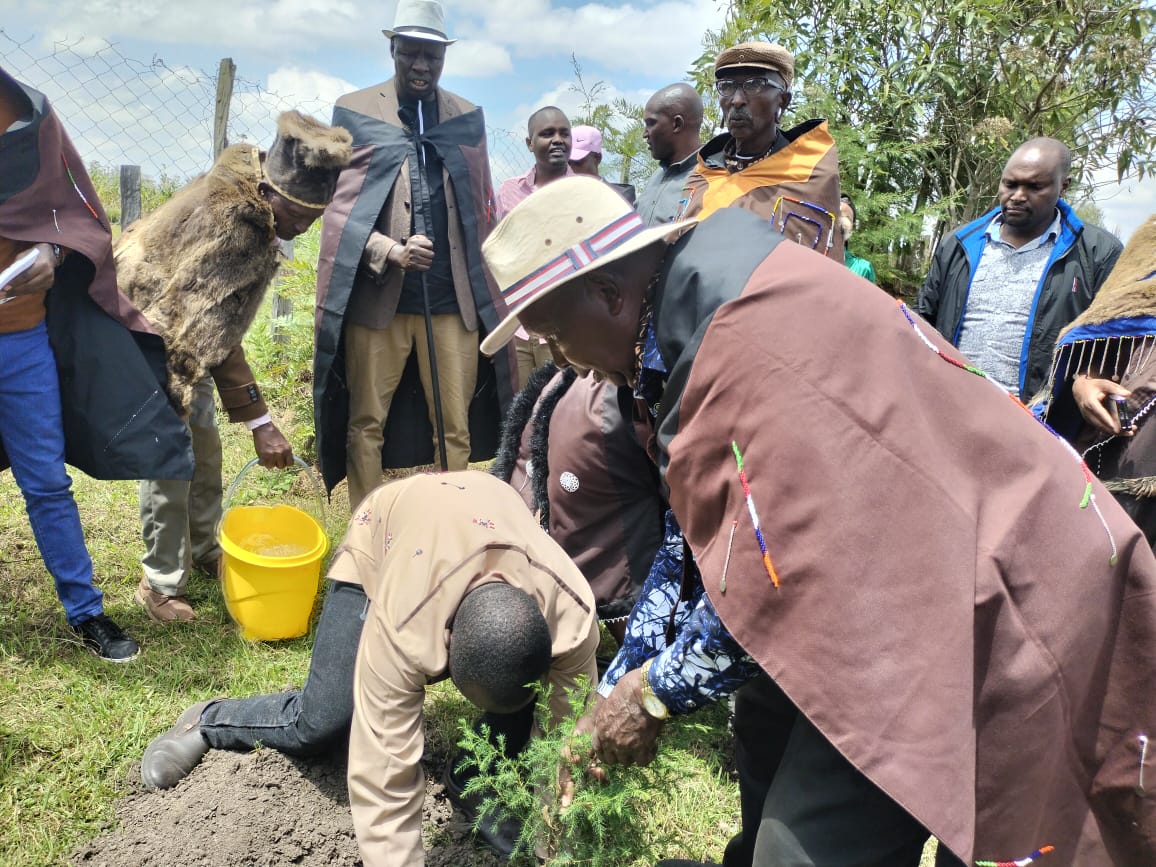
Kobei described the Ogiek as natural conservationists whose survival is intertwined with the ecosystem.
Their beekeeping depends on nectar and flowers, while their traditional hunting and gathering once sustained them with wild berries and tubers.
“The forest found us here. It is part of us, and we must safeguard it for future generations,” he said.
But for all their contributions to conservation, the Ogiek have endured repeated evictions in the name of protecting the very forests they helped preserve.
“It is time the government recognized us, resettled those evicted, and affirmed that the Mau is our home,” Kobei urged. His sentiments were echoed by Lee Njiru, former Press Secretary to President Moi, who praised the Ogiek for keeping their traditions alive.
“Culture is the foundation of every community. Without it, we are floating in the air. The Ogiek have reminded us of the power of material culture, but we must also restore what is disappearing, our proverbs. Proverbs are a people’s constitution, their distilled wisdom. Today, children in cities no longer know them,” Njiru said.
He called for greater institutional support for minority groups. “We need a Ministry of Communities, not just Heritage. Minorities like the Ogiek, Walyangulu, and others must have dedicated representation in government. Their voices matter for Kenya’s identity and future.”
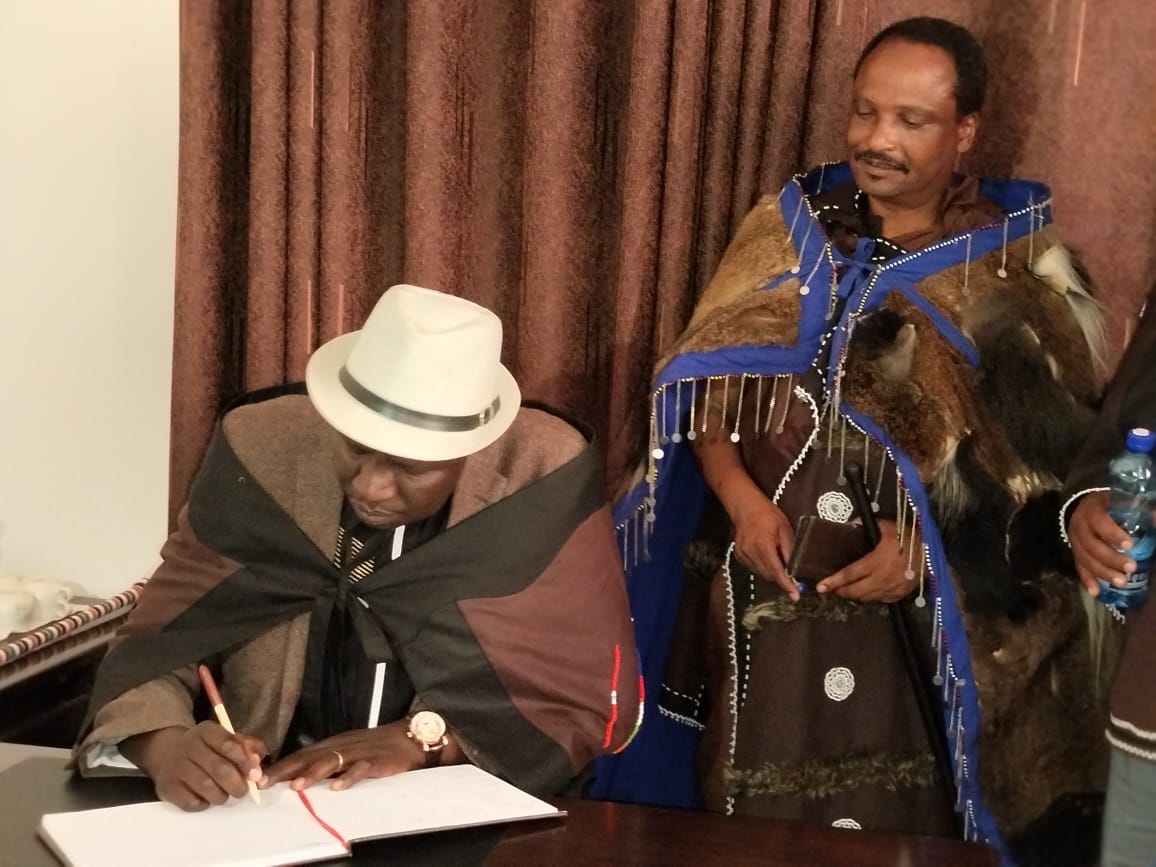
On its part, the government affirmed its readiness to address the plight of minority communities. Lowoi Josphat Lodeya, the Head of the Minority and Marginalized Affairs Unit in the Office of the President acknowledged the Ogiek’s exclusion from Kenya’s official list of ethnic groups and pledged action.