

Mombasa Port registers historic cargo growth, eyes 2026 expansion
MOHAMED HASSAN-KNA
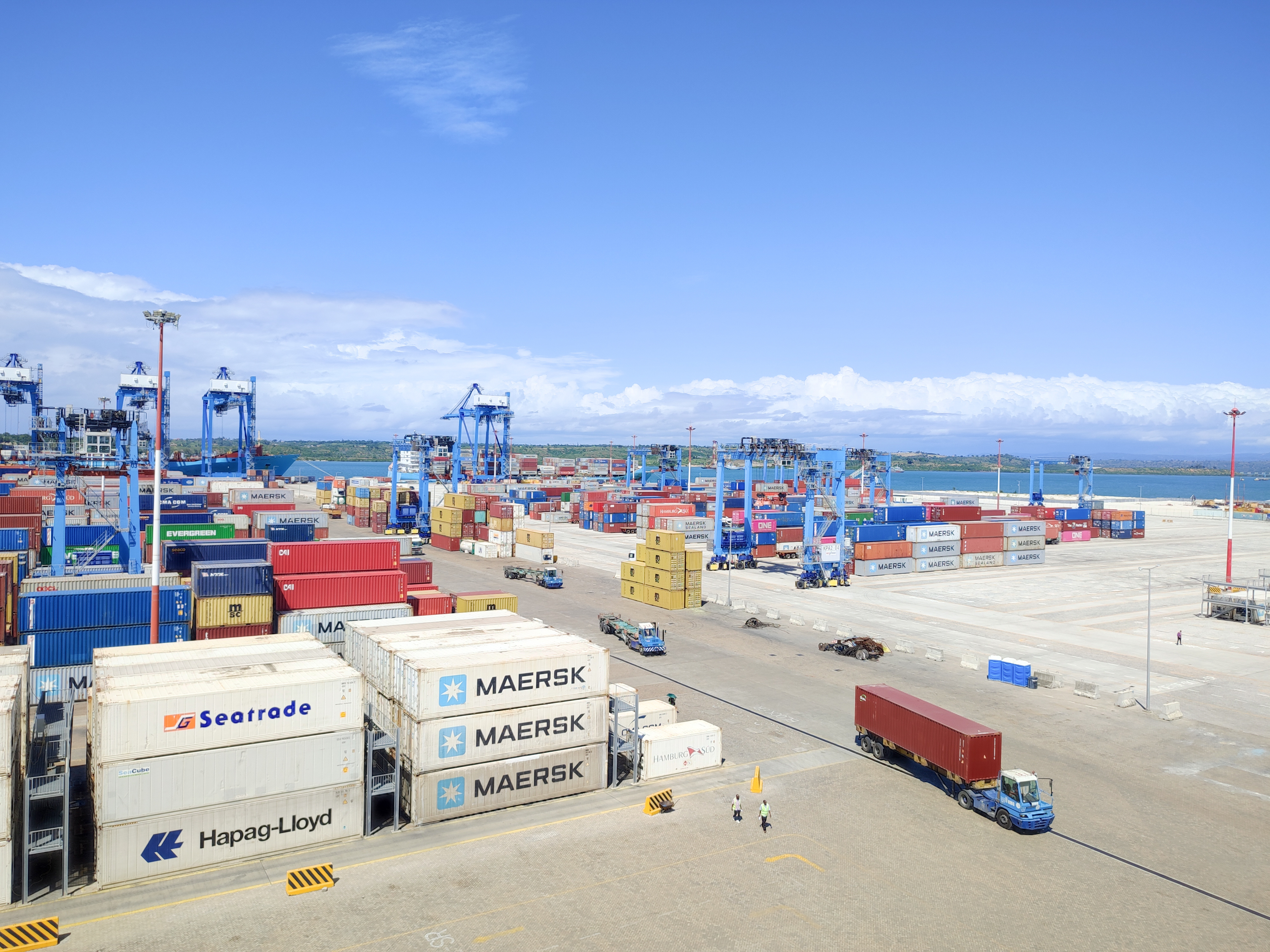
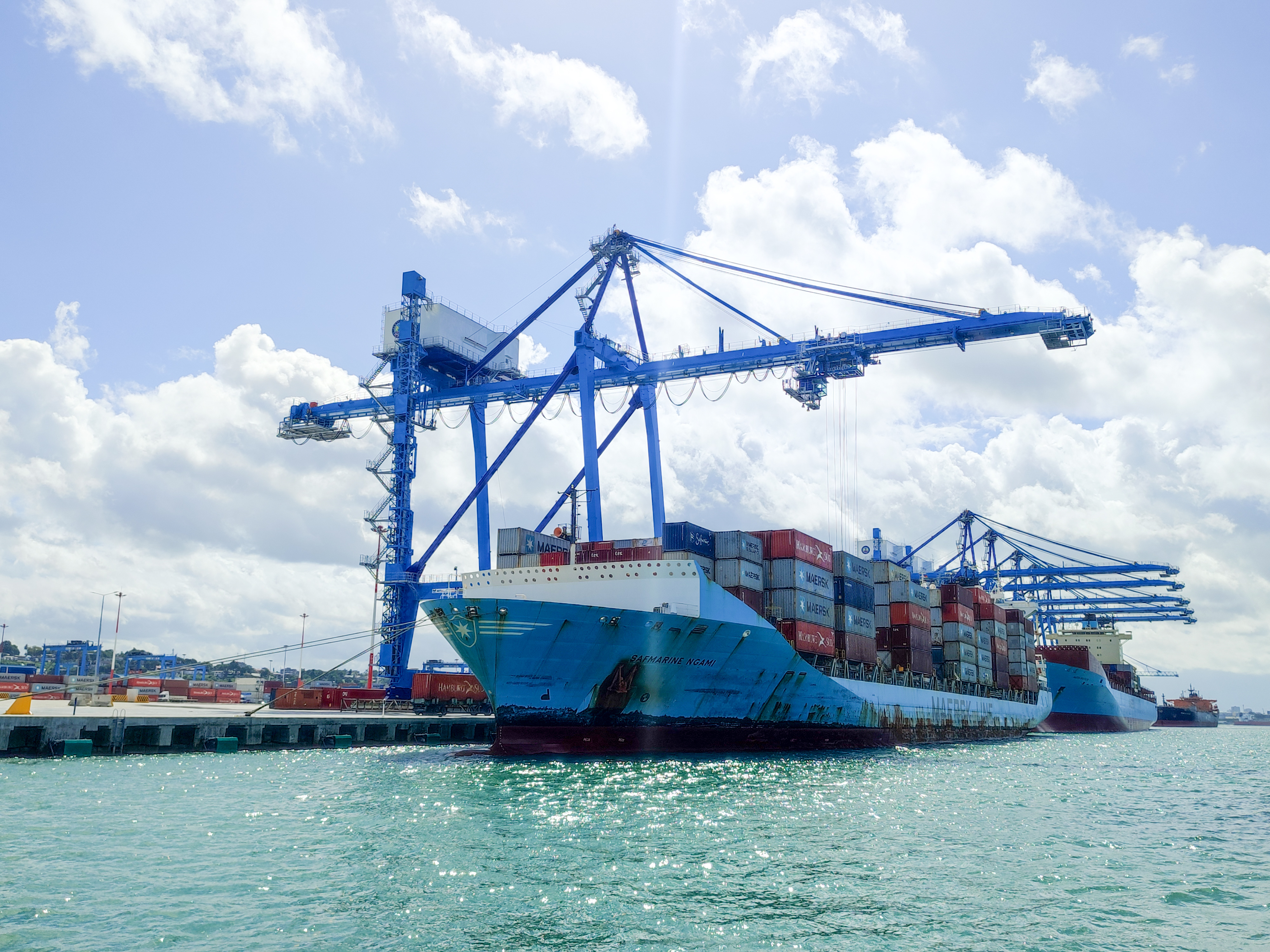
Mombasa port has achieved a record year in 2025 with further growth expected in 2026 driving significant economic growth.
Total cargo throughput at the Port of Mombasa has hit a record 45.45 million metric tons in 2025 compared to 40.99 million tons handled in 2024, reflecting a notable upward trend.
This represents a substantial increase of 4.46 million tons for freight and cargo, equivalent to a 10.9 percent increase.
This marks a significant growth in regional trade which calls for capacity expansion to the growing trade demands for entry and exit cargo volume.
The port of Mombasa has made remarkable strides ending the year 2025 on an impressive note recording far-reaching achievements in cargo traffic that have surpassed the previous year.
The Port of Mombasa is one of the largest and busiest Ports in the East and Central African region, providing direct connectivity to over 80 Ports worldwide.
It is linked to a vast hinterland comprising Uganda, Rwanda, Burundi, Eastern Democratic Republic of Congo, Northern Tanzania, South Sudan and Ethiopia connected through a multi-modal transport system.
The port authority attributed the overall performance to ongoing reforms aimed at promoting imports and exports as well as ongoing infrastructure upgrades, modernization, digitalization of procedures and support from the national government.
Kenya Ports Authority (KPA) Managing Director (MD) Capt. William Ruto disclosed that significant growth was also recorded in the total container traffic during the same period, with the port handling 2.11 million (Twenty-foot Equivalent Unit) TEUs, against 2.00 million TEUs in 2024.
This represents a growth rate of 109,797 TEUs, or 5.5 percent. Capt. Ruto said overall import and export volumes performed exceptionally, with import cargo volumes scaling up to a total of 36 million metric tons compared to 30 million metric tons in 2024, an equivalent of 20.1 percent growth.
“Exports also picked up to a modest 5.03 million tons, jumping up from 4.96 million tons handled in 2024, representing an increase of 64,000 metric tons or 1.3 percent,” he said.
The top KPA official also said market share strengthened notably in the domestic segment, expanding from 53.1 percent to 55.4 percent.
Corresponding cargo volumes increased by a robust 16.1 percent, equivalent to 3.50 million tons.
“This indicates sustained economic activity and a renewed trade demand ecosystem supported by improved logistics and streamlined cargo clearance processes,” said Ruto adding that KPA is committed to entrenching global best practices in the provision of maritime services.
Equally, transit cargo has continued to post steady growth with an impressive performance, of 15.88 million tons from 13.29 million tons in 2024, translating to 2.59 million metric tons or 19.5 percent.
“We remain optimistic that this upward trajectory in cargo growth will persist in the years ahead since we have the capacity to handle high-volume cargo with precision,” he said.
All major transit markets delivered significant improvement during the period under review, with Uganda growing at 25.2 percent, the Democratic Republic of Congo by an impressive 16.5 percent, Rwanda by 22.8 percent, Tanzania by 11.0 percent.
The KPA MD said this achievement reaffirms Mombasa’s position as the most reliable and most preferred trade corridor in the region. Ruto said transshipment traffic closed the year attaining 385,656 TEUs, down from 496,034TEUs recorded in 2024, a decline of 22.3 percent.
“This development reflects global shipping trends including geopolitics, global shipping line rotations among others adding to competitive developments in the region,” he said, adding that KPA is committed to operational excellence.
MD Ruto also revealed that the port of Lamu, Kisumu port, Inland Container Depots (ICDs) Nairobi and Naivasha, equally registered strong performance reflecting an overall growth trajectory across the port facilities.
He said the port of Lamu has shown major promise with an impressive total cargo throughput of 799,161 metric tons against 74,380 metric tons recorded the previous year mainly driven by containerized cargo.
The KPA MD noted that the Lamu seaport is steadily emerging as a key maritime gateway, attracting a growing number of vessels and building confidence among international shipping lines.
He said with its strategic location, Lamu is drawing attention from global carriers eager to tap into regional trade routes.