
Access to reliable water supply increases rice production in Mwea
By Mutai Kipng’etich (KNA)
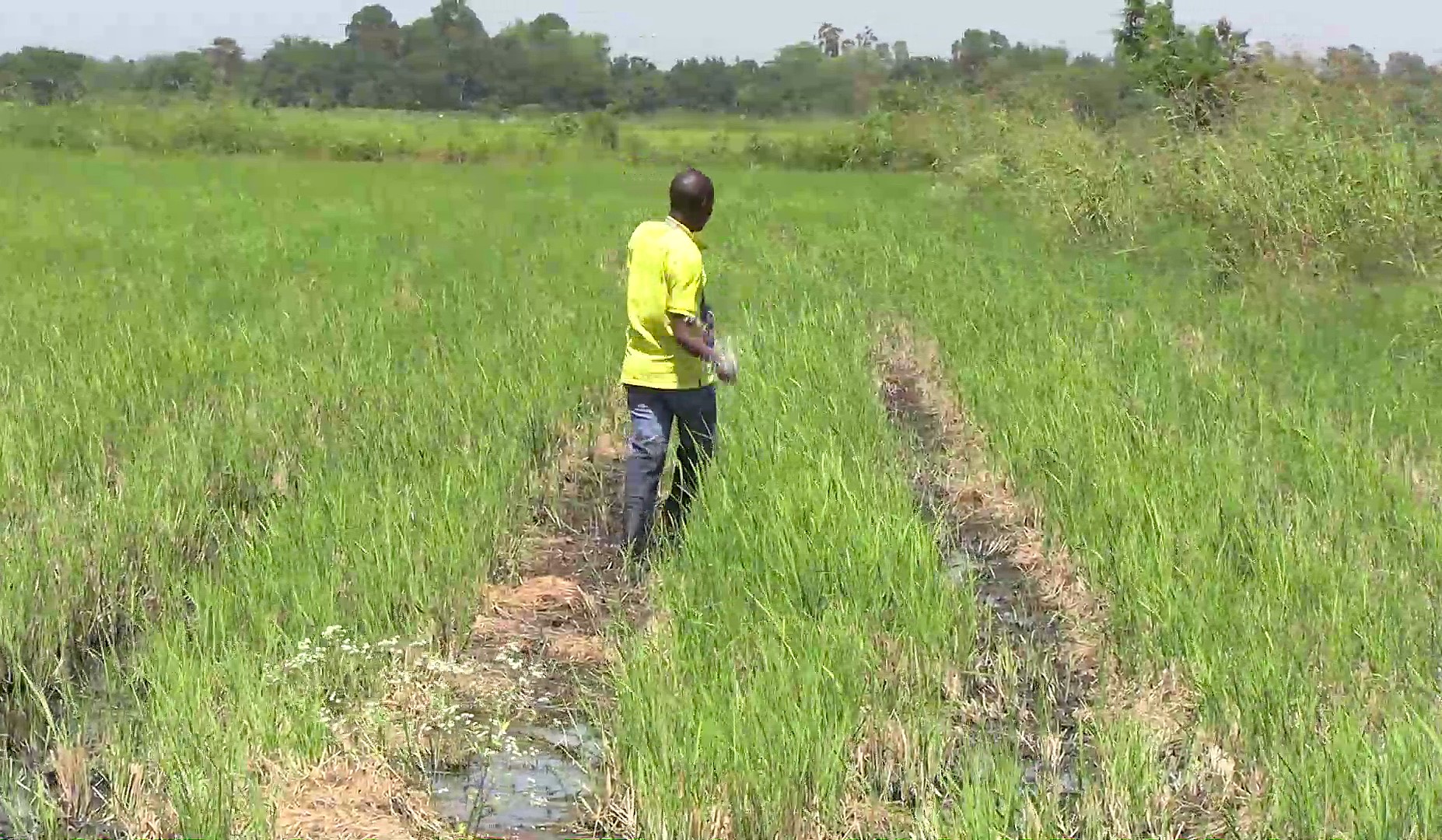
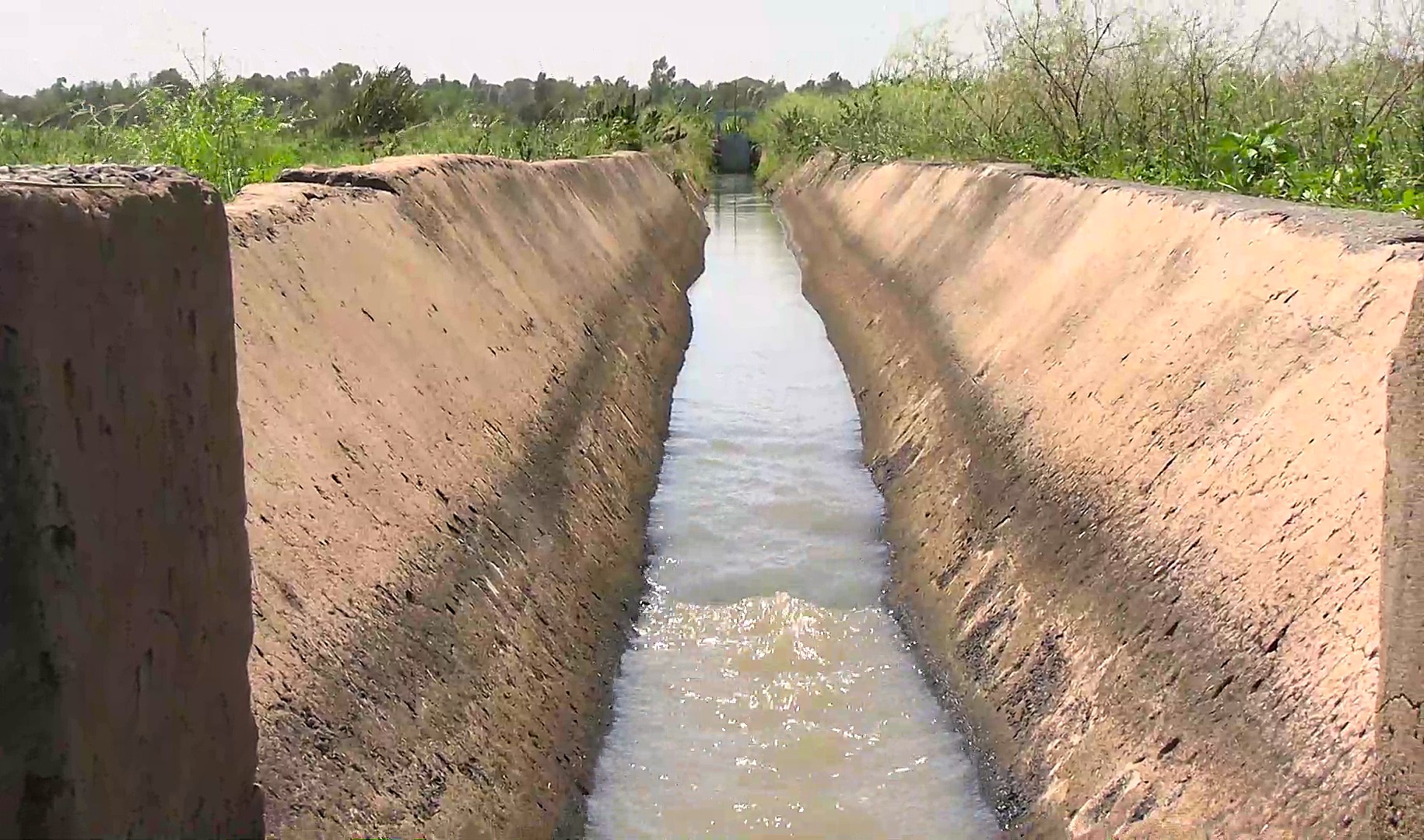
Rice farmers in the Karaba section of the Mwea Irrigation Scheme are recording significantly higher rice production following improved water supply after the aligning and rehabilitation of irrigation canals.
The steady and reliable water supply, coupled with the expansion of land under irrigation, has led to increased annual rice output in the area. Farmers say the developments include new canals, improved water management systems and greater efficiency and value addition in rice farming.
In the past, farmers struggled to access sufficient water for their farms. However, the completion of the Thiba Dam has greatly improved water availability in the Karaba K7 section, easing the challenges farmers face while growing rice.
Mwea Irrigation Scheme Farmers Chairman, Peter Chege, says the expansion of irrigation canals has had a positive impact on rice production, despite occasional challenges caused by reduced water volumes during dry seasons.
Chege explains that improved water management measures have been put in place to ensure equitable distribution of water in the rice fields. He adds that many residents have returned to farming and calls on the government to construct a new dam along River Nyamindi to further support the expansion of the Mwea Irrigation Scheme.
“I thank the farmers for putting enough effort; we harvested the main crop and are now on ratoon and ready to move on to the second crop. We are continuing with the expansion of rice farms in Karaba, Mutithi, and Tebere therefore I urge the government to expand the canal to align with expanded land,” Chege said.
Paul Muriuki, a rice farmer, noted that the construction and improvement of water canals has enabled multiple cropping seasons. Unlike before, when they could only plant once a year due to water shortages, farmers are now cultivating rice up to three times annually.
They added that the expansion of the Mwea Irrigation Scheme has transformed livelihoods by creating employment opportunities through farming. Mwea rice irrigation scheme plays a critical role in enhancing national food security and reducing reliance on imported rice.
The project, managed by the State Department of Irrigation through the National Irrigation Authority, is expected to boost rice production and reduce imports. Currently, Kenya produces about 304,000 metric tonnes of rice annually against a national demand of approximately 1.3 million metric tonnes.
Ends