
Agriculture graduates head to China for specialized training
JOSEPH NG’ANG’A-KNA
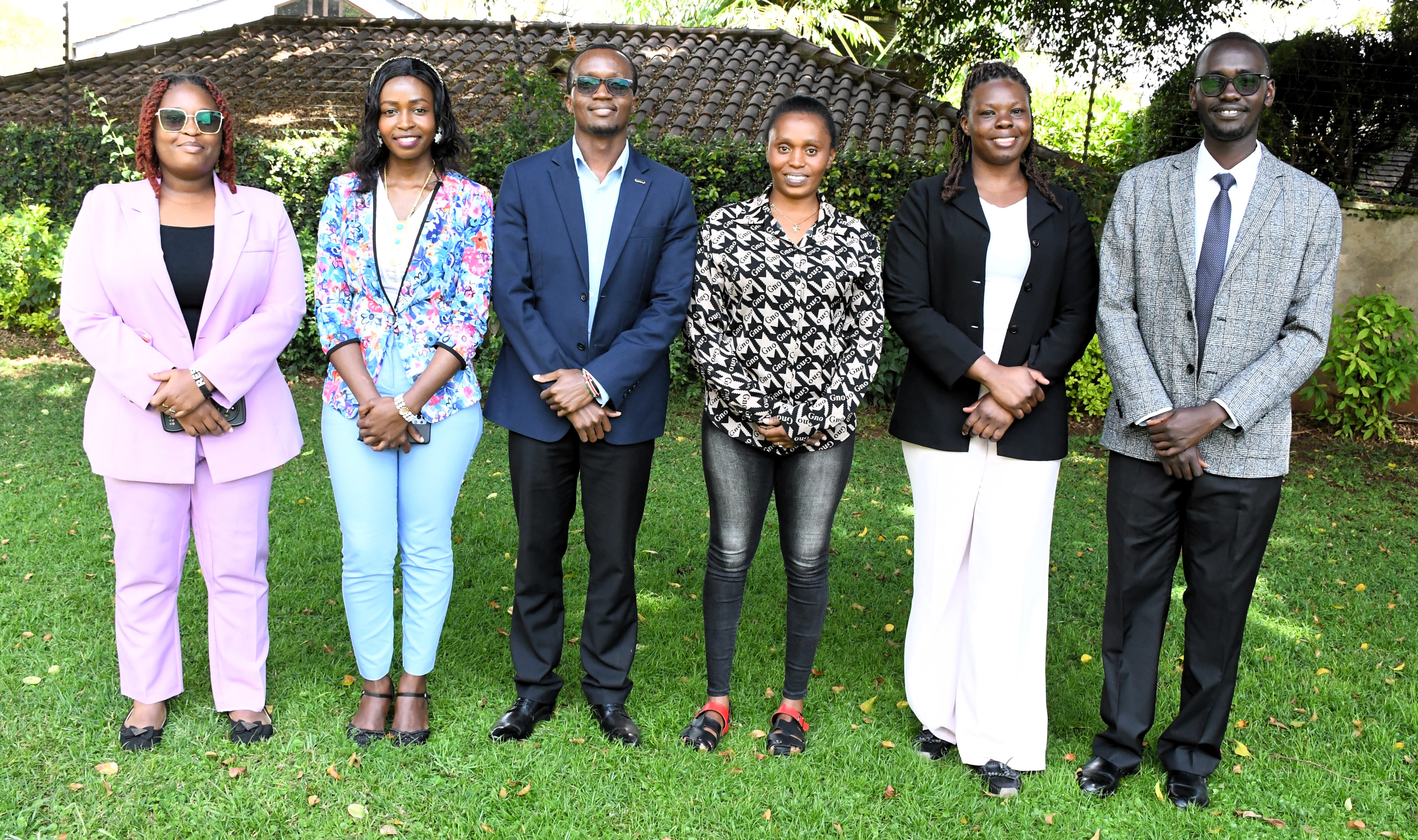
A cohort of six university graduates in agriculture will travel to China this September to pursue a specialized Master’s degree in Resource Utilization and Plant Protection.
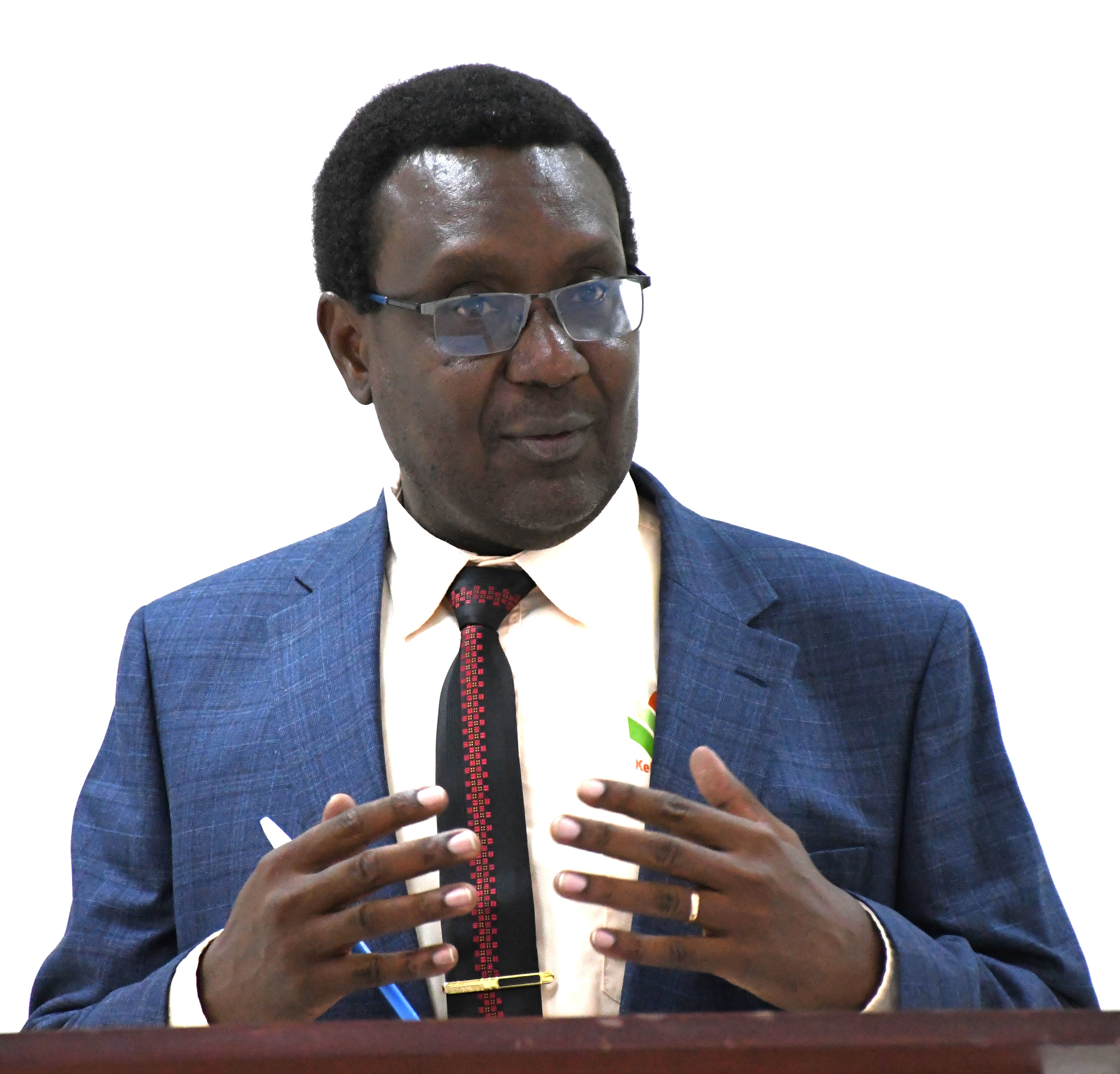
Peter Mwangi, the Country Focal Person for the Forum for Agricultural Advisory Services – Kenya (KeFAAS), said the young professionals had been selected to join the Sino-Africa Science and Technology Backyard (STB) programme (Cohort 2) at the China Agricultural University (CAU).
He explained that in 2024, KeFAAS partnered with the Food and Agriculture Organization’s (FAO) Office of Innovation and CAU to promote the Multi-Actor Agricultural Innovation Platform (MAIP) in Africa.
This collaboration led to the formal launch of the STB project in Kenya, which is designed to nurture young African professionals to lead sustainable agricultural transformation and contribute to food security.
Speaking in Nairobi during a farewell ceremony for the students, Mwangi noted that under the initiative, KeFAAS had earlier sent its first cohort of three young extension professionals to CAU to pursue the same Master’s degree.
“The selected students will attend a three-year sandwich programme, which includes a one year of academic study in China, one year of fieldwork in Kenya, and a final year back in China dedicated to thesis completion,” said Mwangi.
He acknowledged the strong partnerships behind this initiative, and highlighted KeFAAS’ continued commitment to expanding youth participation in agricultural innovation.
Mwangi explained that KeFAAS is a forum for agricultural advisory services which offers technical direction to Agricultural Extension and Advisory Services (AAES) providers in Kenya.
He disclosed that the first cohort are finishing in October and they will be back to Kenya where they are going to establish the scientific technology backyard in a place called Mareira, that is Kenyatta Agriculture Institution in Muranga, where all the technologies of what they will have learnt will be implemented in the institution and the farming community.
“Next year we also have a cohort of another 10 students. We have been allocated 25 slots for the programme but we have encountered a challenge in finding enough suitable candidates due to dwindling numbers of students undertaking agriculture at university level,” he said.
Mwangi said that the training is suitable for Kenya since the technologies available in China are majorly designed for smallholder farmers who also form the majority of the Kenyan farming community.
“If you look at the model of agriculture in Kenya, where our land is getting smaller and smaller every day, you realise we need to have the appropriate technologies, even if it is mechanisation, we can have those walking tractors, those small things/machines which are being used in China.
So we really want these students to go and bring those technologies which are very suitable for the smallholder farmers,” said Mwangi.
Javan Kiptoo, one of the beneficiaries of the training programme said that he recently graduated from Egerton University, where he pursued a bachelor’s degree in Agricultural Education and Extension.
“I am from Baringo County where I have been cultivating maize and butternut intercrop which was a good venture. However, I encountered many challenges which necessitated me to do a lot of research on how to combat them and so, in my research the Master’s programme was suggested to me,” said Kiptoo.
He said that once he gains the knowledge from the specialized training, he will come back to Baringo County and assist the locals who are struggling with issues of having large tracts of lands but low return on investment on the land.
“We have a challenge of acidification of the soils, poor rainfall patterns, over-dependence on rainfall, and so with a course on Resource Utilisation, I believe I will be uniquely placed to be able to train farmers on how to effectively use their resources at home,” said Kiptoo.
On the part of Plant Protection in the country, Kiptoo said that Kenya has a major problem of pesticide use.