


Kenyans to receive national IDs in 7 days under new system
Ekuwam Sylvester and Kennedy Asugo (KNA)
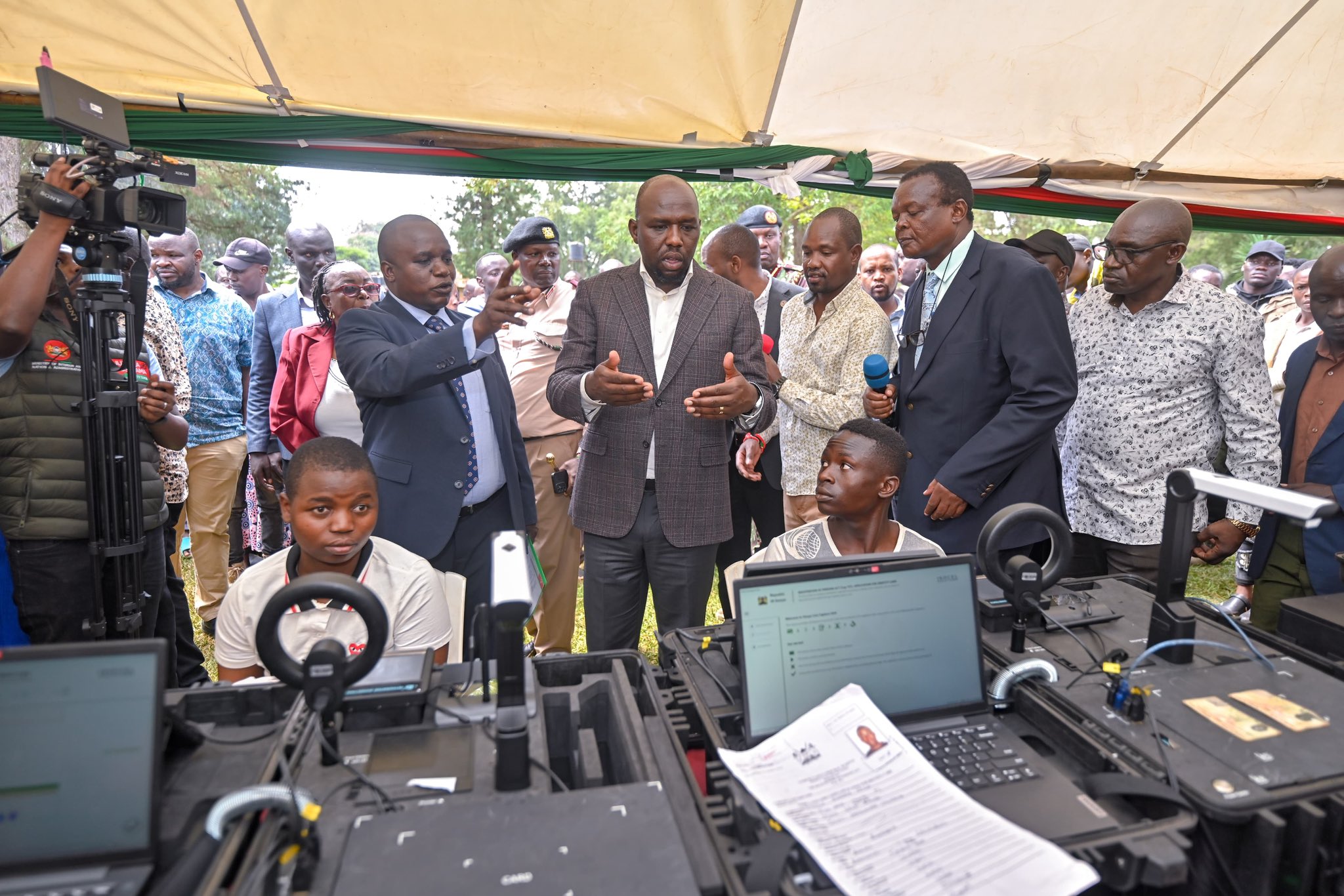
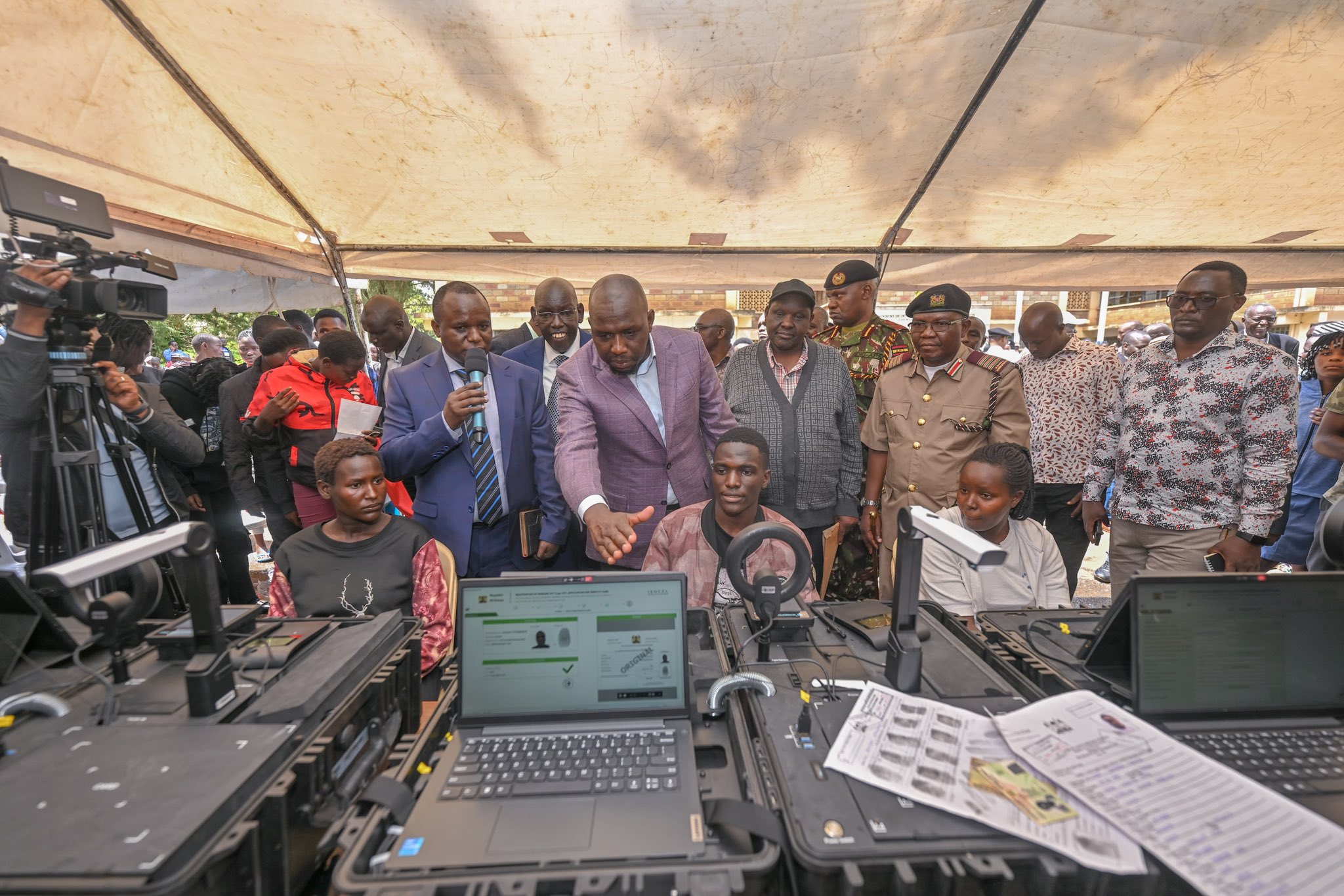
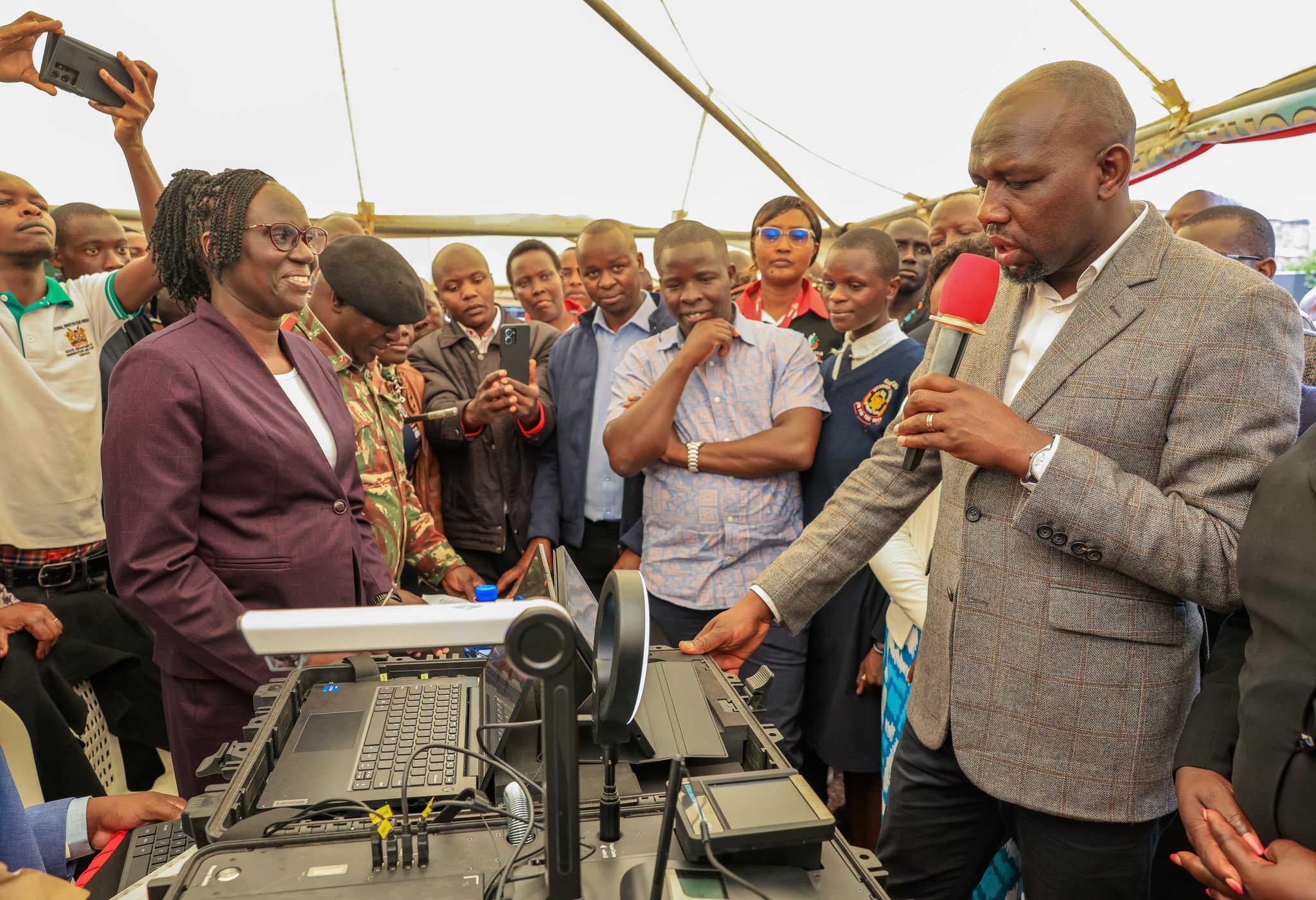
The Cabinet Secretary for Interior and National Administration, Kipchumba Murkomen, has launched the Mobile Live Capture Unit in Uasin Gishu County, a revolutionary technological intervention that will enable Kenyans to receive national identification cards within three to seven days.
The move underscores the government's unwavering commitment to offer civil registration services to ensure identification, access to services, and security for its citizens, the CS said.
Speaking during the official launch at the County Commissioner’s Office, Eldoret, Uasin Gishu County, he announced that the service is free of charge and that one must be a Kenyan and fully recognized by the area chief.
He reminded the local administrators that they must be keen to ensure security at the grassroots is guaranteed in terms of vetting of persons for IDs after the old system is scrapped, noting that they will bear full responsibility in case one unlawfully acquires Kenyan ID under their watch.
The CS, further, underscored the benefits of the crucial document for identification purposes, access to jobs, social security benefits, financial services among others as he rallied the youth to take advantage of the current technological system to get IDs in order to exercise their democratic rights like participating in elections.
He commended the system’s efficiency and effectiveness in providing a secure and convenient way to access services, manage personal information and participate in the digital economy.
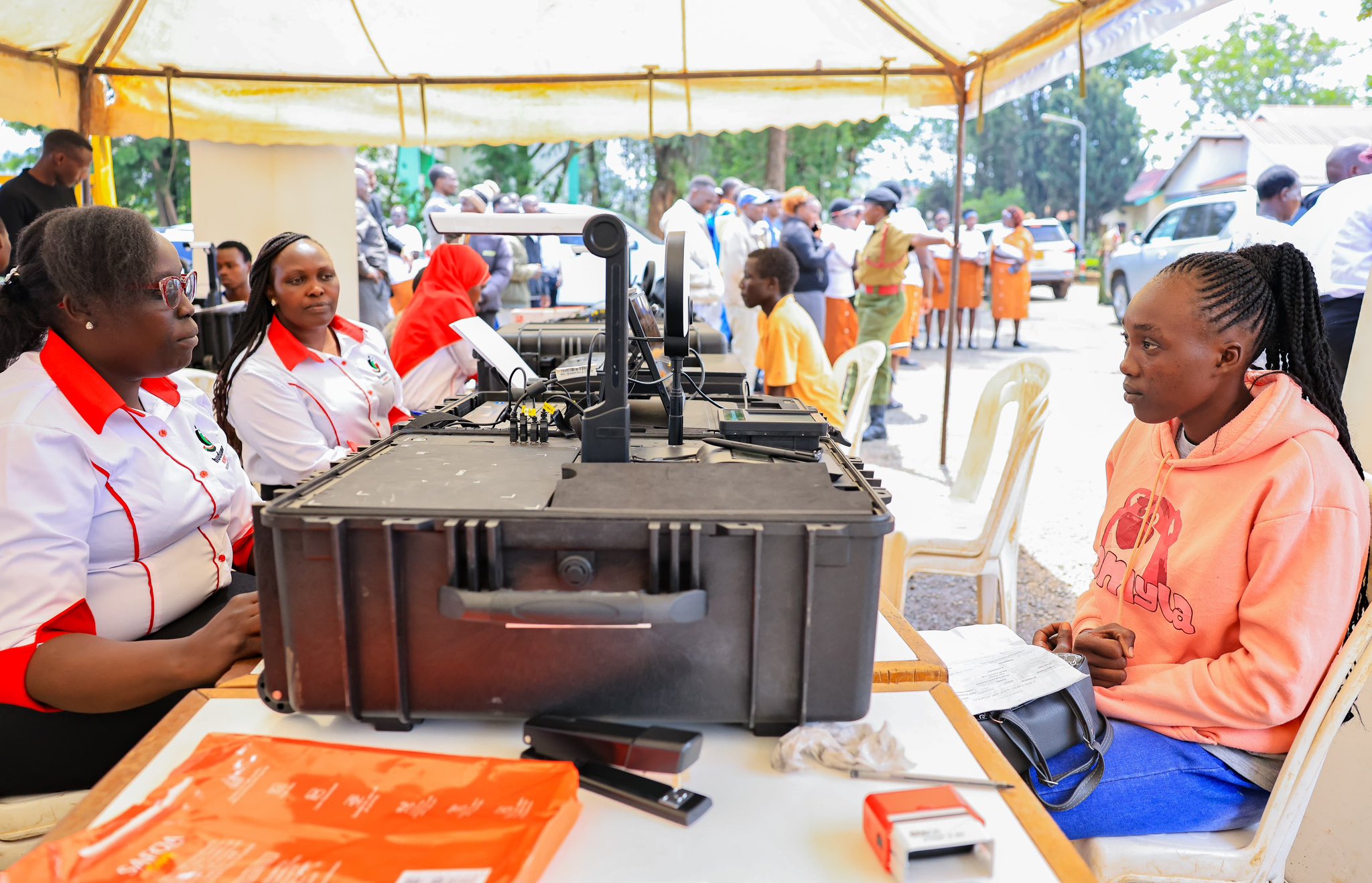
The Mobile Live Capture Unit, a portable battery-powered machine, is used to capture data of ID applicants and submitted electronically for processing.
He mentioned that the initial vetting process unreasonably affected communities especially in border and pastoralist regions, aggravating inequality in access to government services, identification and, by extension public service jobs, voting, education, and formal employment.
“The initiative aligns with the government’s broader agenda to use technology and innovation to improve public service delivery, especially for historically underserved populations and restore confidence between citizens and state institutions in regions where registration has long been viewed as a privilege rather than a right,” Murkomen said.
The innovation aims at reducing backlog and long-standing documentation delays, especially in marginalized regions and is expected to transform national registration especially at the grassroots by bringing services directly to schools and remote villages where citizens can access easily.