
Kenya, Germany strengthen bilateral ties on labour mobility partnership agreement
Catherine Kamau-PCO
Kenya and the Federal Republic of Germany technical teams are jointly working on a comprehensive labour mobility partnership agreement to enhance youth empowerment through global linkages and practical job exposure.
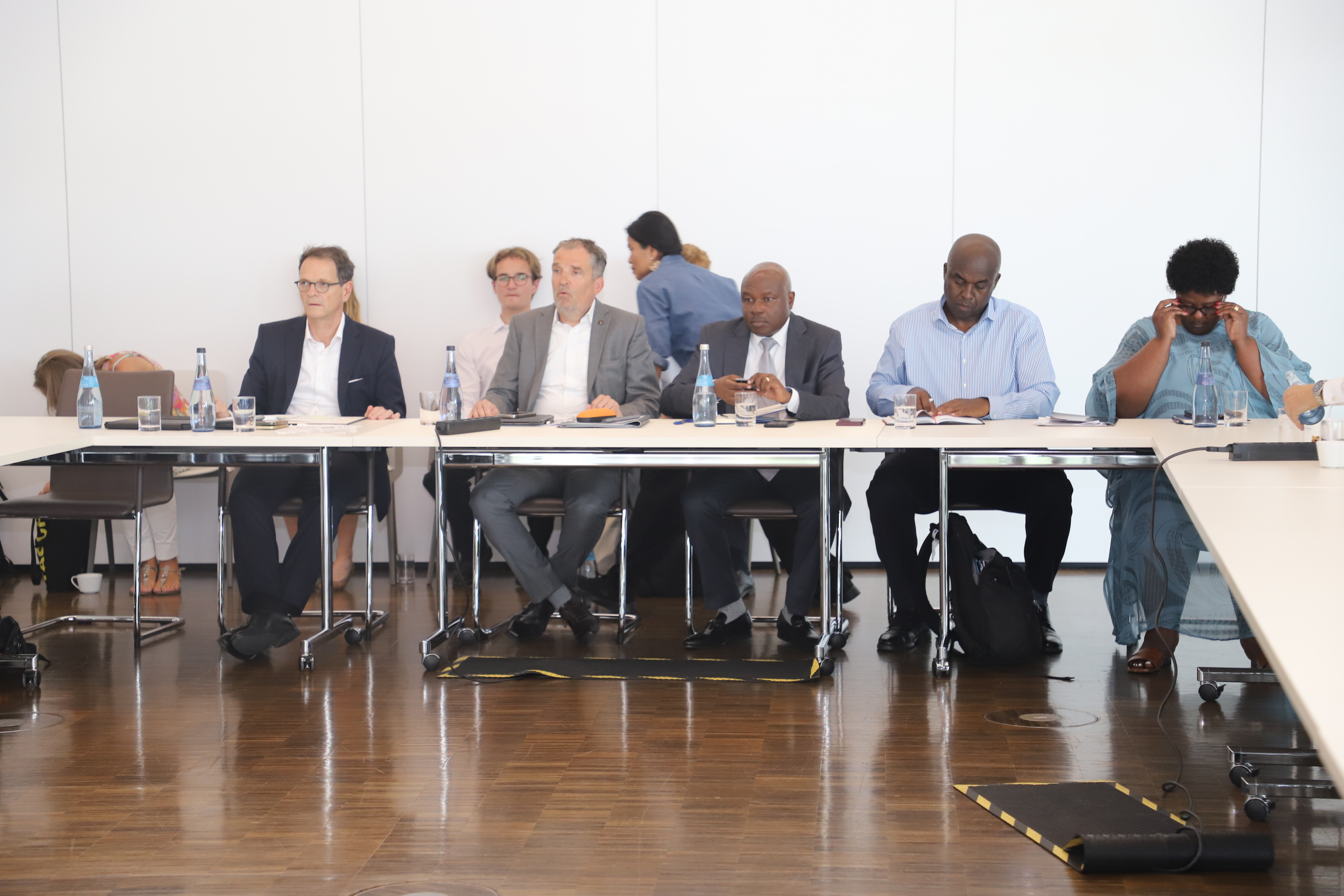
Speaking in Frankfurt, Germany, Labour and Skills Development Principal Secretary Shadrack Mwadime said as the world evolves, Kenya is actively positioning its human capital to contribute meaningfully to international economies while addressing local unemployment challenges.
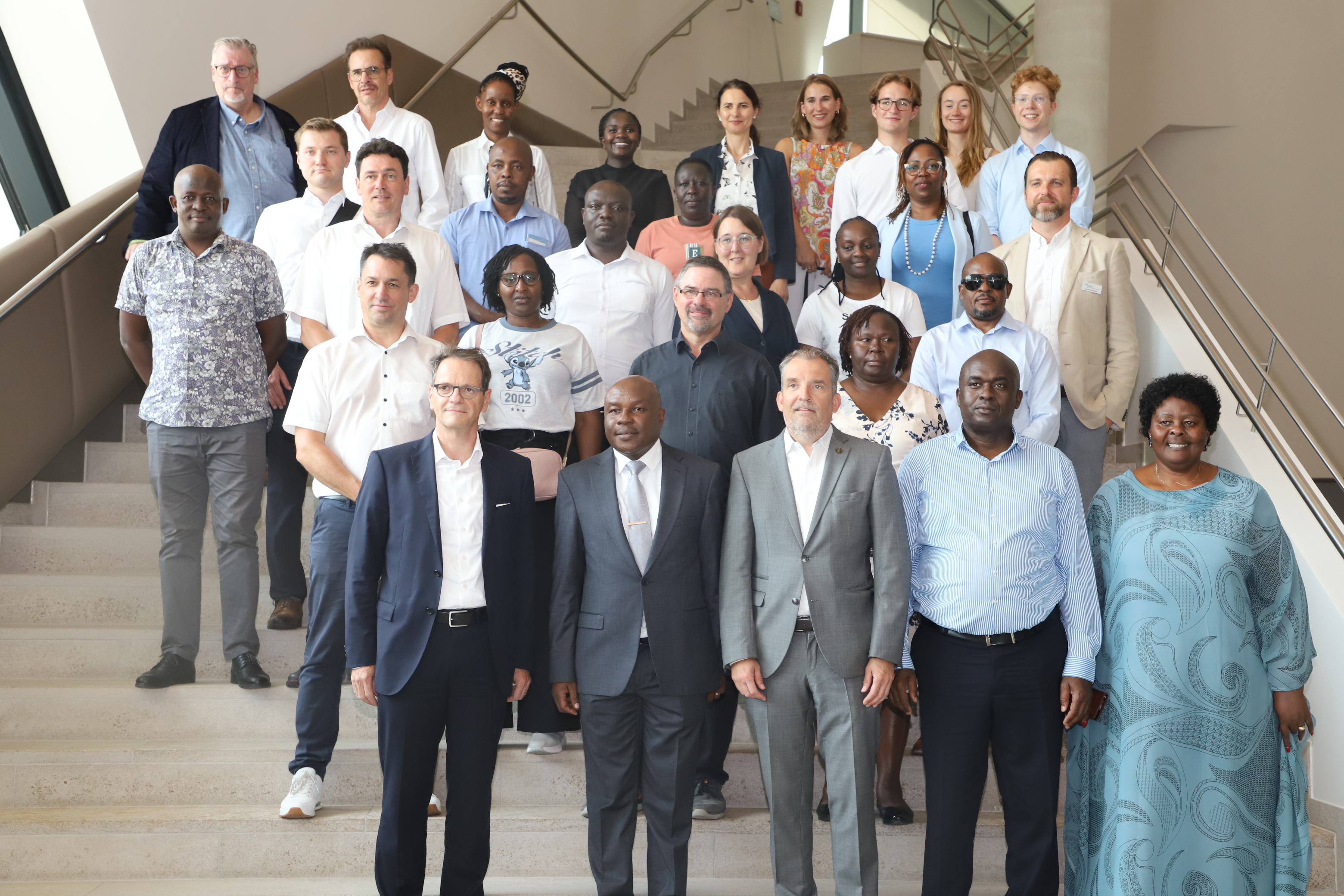
Mwadime, who was leading a Kenyan delegation, said the visit signifies two countries’ framework for cooperation and information exchange on labour mobility, apprenticeships, student training, labour market needs, employment and the welfare of employees.
Currently, he noted that, the total number of people retiring exceeds the graduates joining the German labour market, due to demographic changes and there exists thousands of job opportunities for qualified persons.
“For the first time, the signed agreement provides a mechanism for orderly, legal, and structured engagement of qualified Kenyan workers in the labour market in Germany. It is a great opportunity for the two countries to work together for mutual benefit from the arrangement,” he said.
He encouraged qualified Kenyans to equip themselves with the German language for ease of integration and social interaction so as to access job opportunities.
“Key highlights of the agreement for Kenya include mobility of skilled and unskilled labour to Germany in sectors experiencing labour shortages; enhancing vocational training opportunities for Kenyan citizens, skills development and ensuring that Kenyan workers meet international standards; protection of workers' rights and fair treatment for all Kenyan nationals working in Germany; inter - cultural exchange and integration, and boost to the economy,” Mwadime said.
Mwadime visited several cities in Germany in a strategic move to unlock employment and industrial attachment opportunities for Kenyan youth.
The delegation visited Rothenberger in Frankfurt, a renowned manufacturer of pipe tools founded in 1949.
The company employs more than 3,000 workers, with 350 stationed in the technical departments operating in three shifts daily.
Rothenberger contributes approximately 1 billion euros annually to the German economy, making it a prime model for skills-based employment and innovation in the manufacturing sector.
Discussions covered potential job placements across the manufacturing value chain, including specialized roles in milling, drilling, hydraulic engineering, design, and maintenance. These are areas where Kenyan youth can excel if equipped with the right technical training and mindset, he said.
Dr Jürgen Ratzinger, the Managing Director for International Business at the Chamber of Commerce and Industry (IHK), hosted the delegation and facilitated key interactions with stakeholders from 24 companies across various industries.
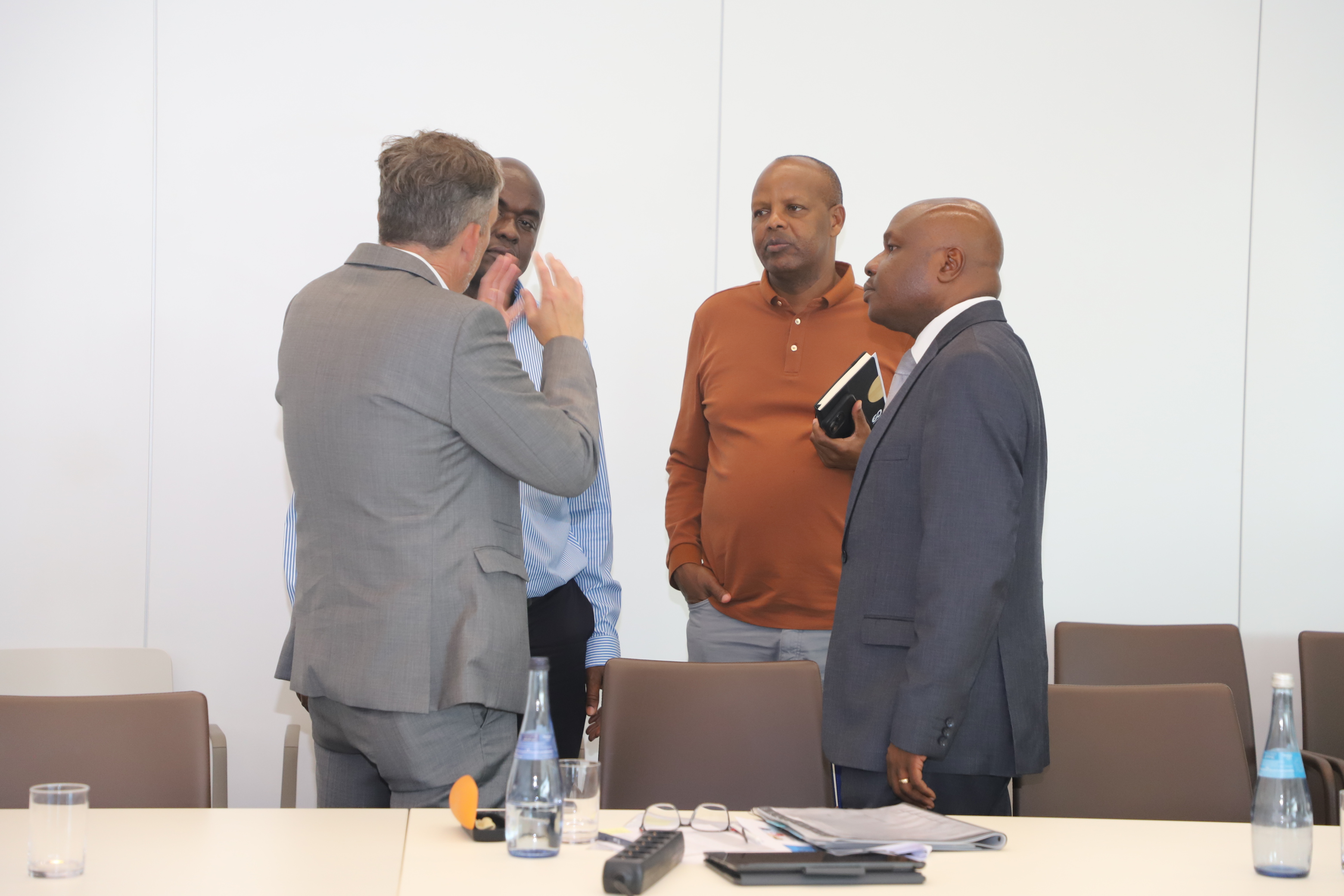
Dialogue centered on the expectations of German employers, strategies for Kenya to tailor its labor force to meet those demands, and how best to support the adaptability and integration of Kenyan workers upon arrival in Germany.
PS Mwadime emphasized the importance of such international collaborations in bridging the skills gap and positioning Kenya’s youth for meaningful employment beyond national borders.
“We must prepare our young people not just with technical skills but with the mindset and global outlook needed to thrive in competitive markets,” he stated.