
How dam changed a brewer’s life and a village’s future
Alice Wanjiru-KNA
For many years Mrs. Leah Kiptarus from Kapteren village, Keiyo North Sub-County engaged in brewing of chang’aa to support her family.
It was a life full of chaos, she says, as she was constantly in conflict with the law.
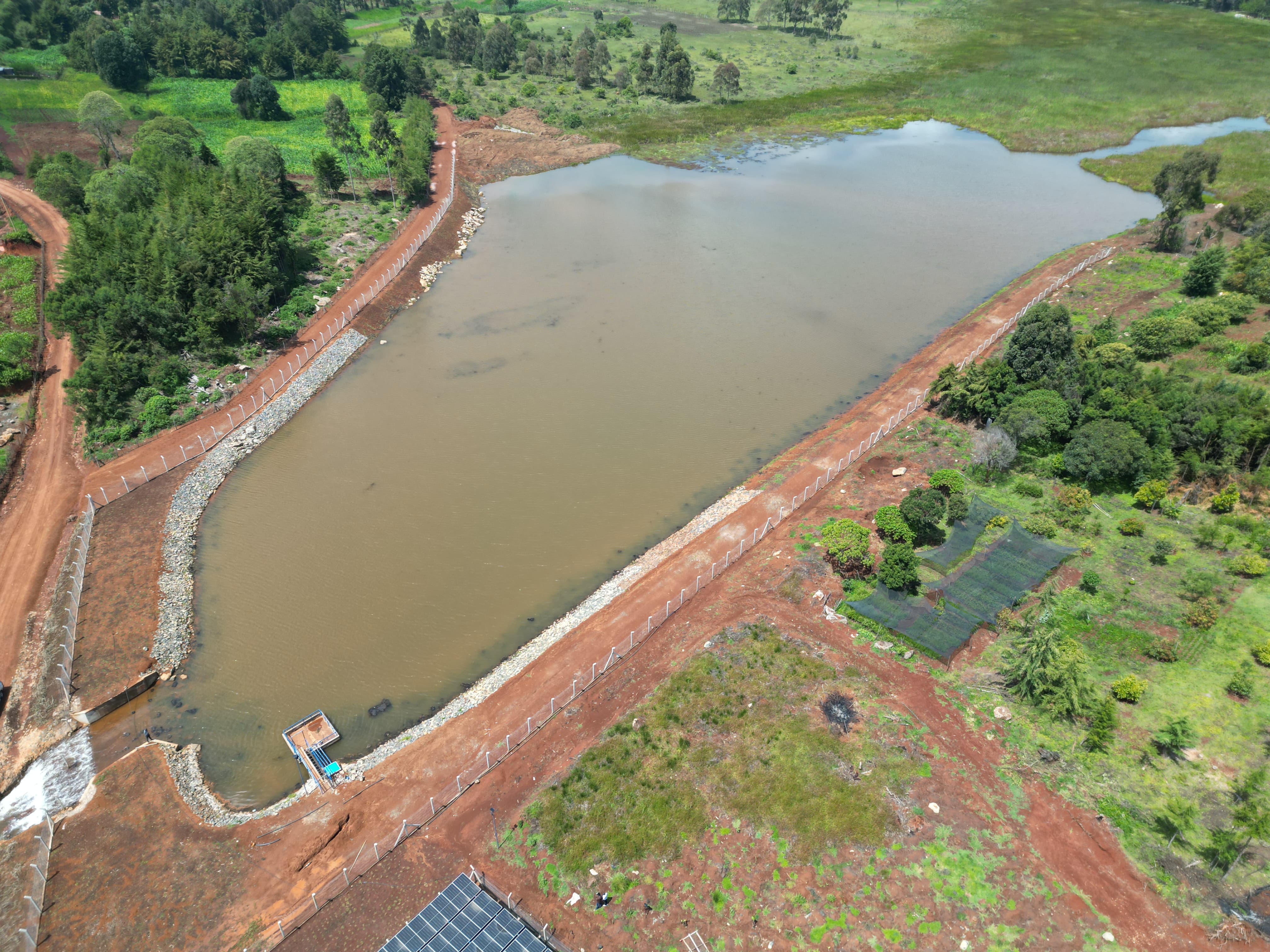
Mrs. Kiptarus says fights would erupt anytime at her home as drunk men and women fought while most of the money she made would go to paying fines whenever she was arrested. But all this is in the past after the government, through the Kerio Valley Development Authority (KVDA) embarked on the rehabilitation of Etio dam.
Being tired of the chaos that characterized her life, Mrs. Kiptarus saw an opportunity to better her life and started cooking for the workers.
“For the one year the dam was under construction, I used to make Sh19,000 every week,” she said.
The money assisted her to take one of her children to the Kenya Medical Training College, and she never looked back.
During that time, she also started growing traditional vegetables, but it became quite tedious as during the dry season she would be forced to fetch water from the family borehole to water the plants.
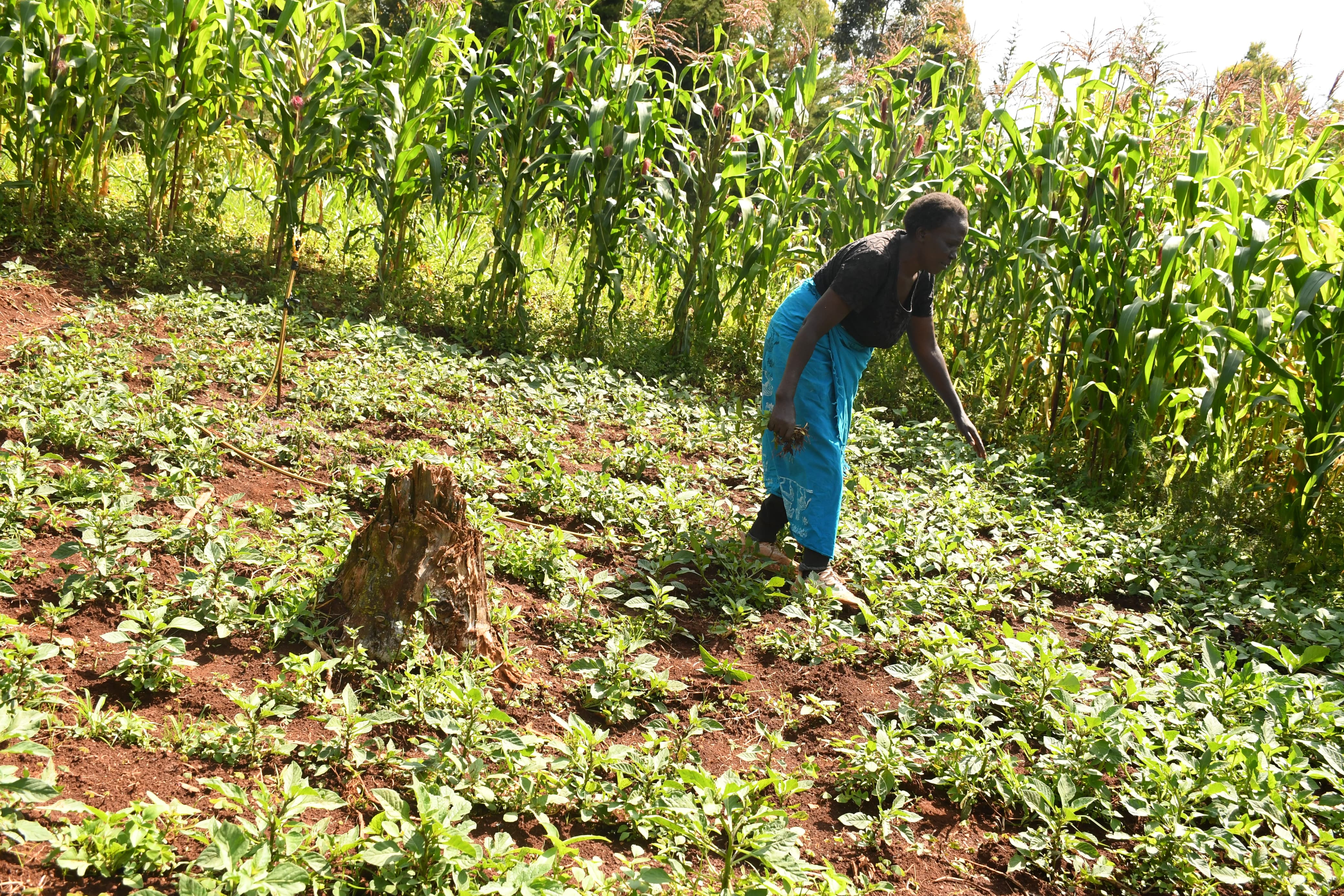
When the dam was completed early this year, she was overjoyed as she bought pipes and embarked on farming traditional vegetables locally known as managu which she would sell to traders from neighbouring Uasin Gishu county.
“This area gets very dry especially in the first months of the year with the prices of vegetables sky rocketing. With irrigation from the dam, I was able to make Sh5,000 every week from the sale of managu,” she proudly narrated.
This planting season, Mrs Kiptarus has diversified to the growing of capsicum and as she says, she is now a role model in her village.
“My home is at peace, I no longer fear being arrested thanks to the dam and I have time to engage in social activities,” she says, as she rushes to join other women to play football.
Edwin Tarus, a BA education graduate of Masinde Muliro University has also been using water from the dam to engage in growing cabbages, kales and managu. He says he earns between Sh25,000-Sh30,000 a month.
“This may look like little to some people but remember that I do not pay rent, nor spend money on transport plus I get most of the food from the farm,” he said.
Tarus, who graduated in 2019, says he grew up on the farm with his father who was a teacher introducing him to farming which he says is satisfying especially due to the fact that he is his own boss.
Tarus is calling on his fellow youth to consider farming instead of waiting for the elusive white-collar jobs, saying they have better returns.
And for 24-year-old Justus Kiplimo, the dam could not have come at a better time. Kiplimo, who sat for his KCSE in 2021, like many youths, started a bodaboda business. But with increasing competition and the other challenges associated with business like the cold, he transitioned to farming.
Kiplimo says he engages in passion farming and is able to make ends meet. He harvests up to 50 kilograms of the fruit every week and with a kilogramme going for Sh70, he is able to make Sh3,500. He remains optimistic that the prices will improve, adding that he intends to expand his venture using the water from the dam in order to make more profits.
Idi Mubarak Kipchirchir, an avocado farmer, says the dam is a game changer in the area saying solar panels are used to pump water into the farms.
He says, previously, residents used to wake up at 4.00 am in the morning during the dry season to get water from streams in the area to water their farms using watering cans and therefore it was difficult for one to expand their farming ventures.
Kipchirchir says he is practicing agro forestry with 170 avocado trees plus a nursery which has fruit, exotic and indigenous seedlings adding that he also grows short season crops like pyrethrum and vegetables as he can comfortably do irrigation using water from Etio dam.
The KVDA MD Sammy Naporos says he is happy that farmers from the area have already embraced irrigation using water from the Sh80-million dam to mitigate effects of drought.