
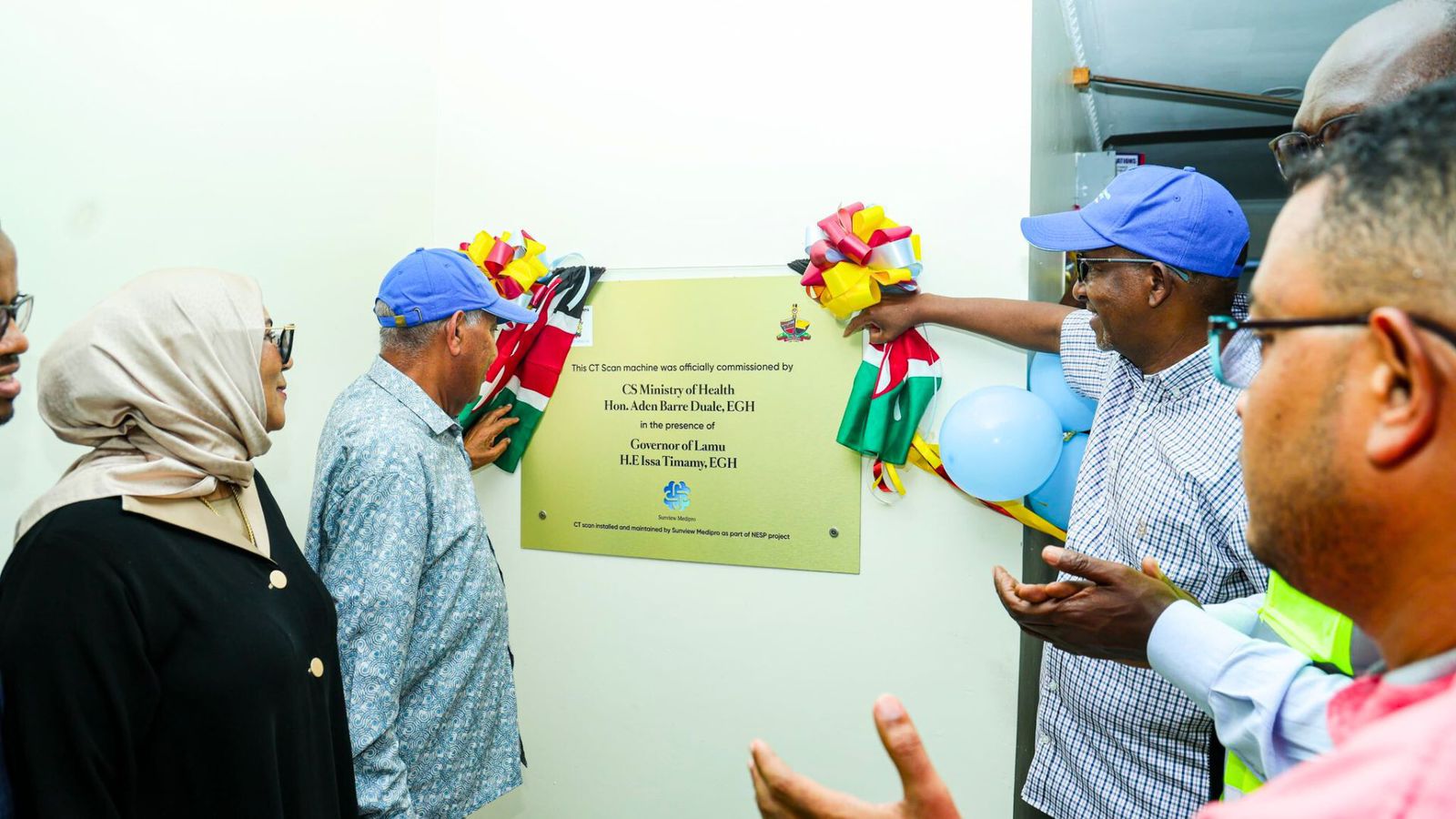
Gov’t supports decentralising specialised medical services
CHRISTINE CHERYL (MY GOV)
The Government has committed to decentralizing access to specialized medical services and to achieving the Universal Health Coverage (UHC).
Through the National Equipment Service Program (NESP), the Ministry of Health in collaboration with the Council of Governors is rolling out advanced medical equipment across public health facilities at the national, county, and sub county levels.
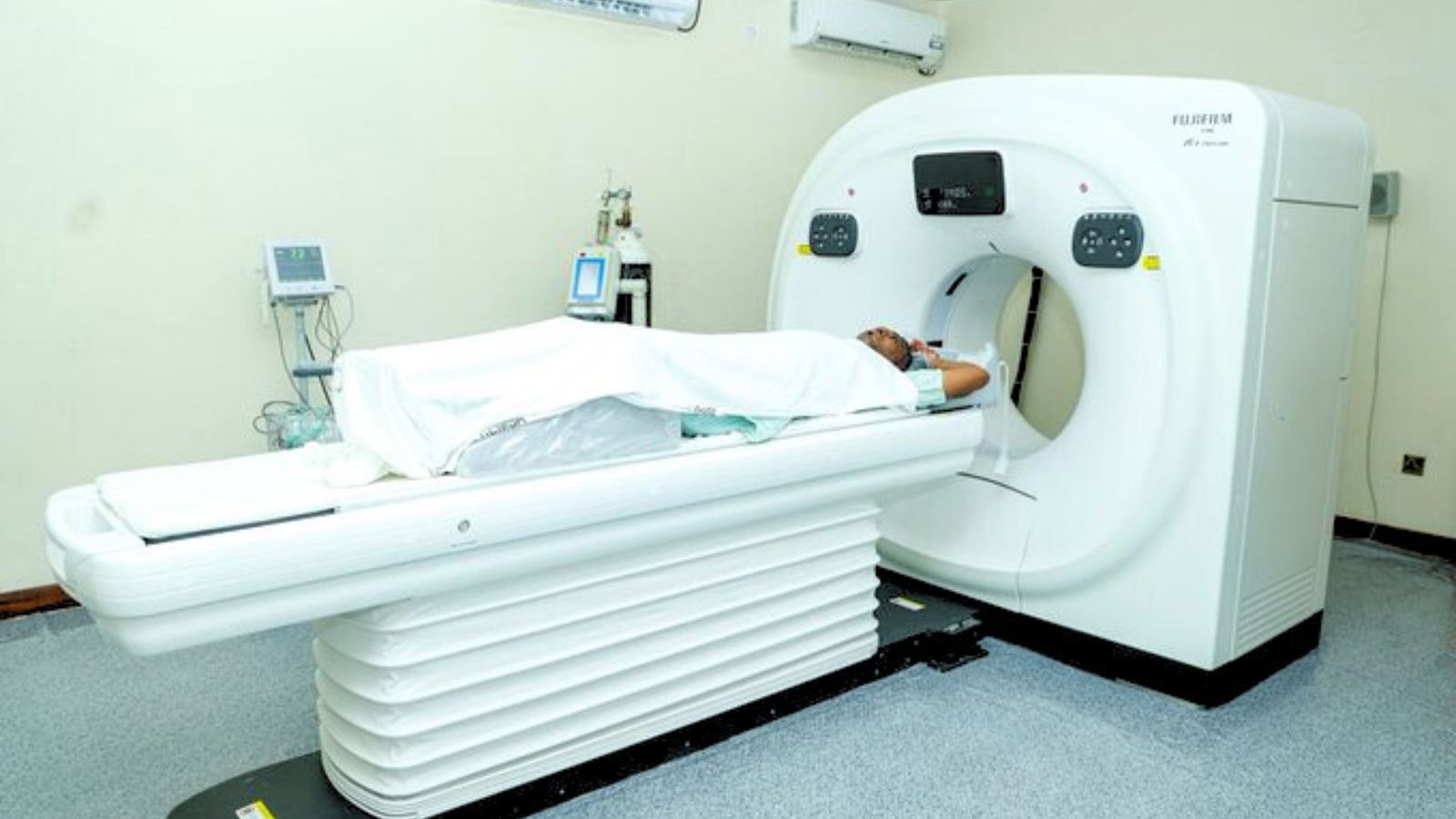
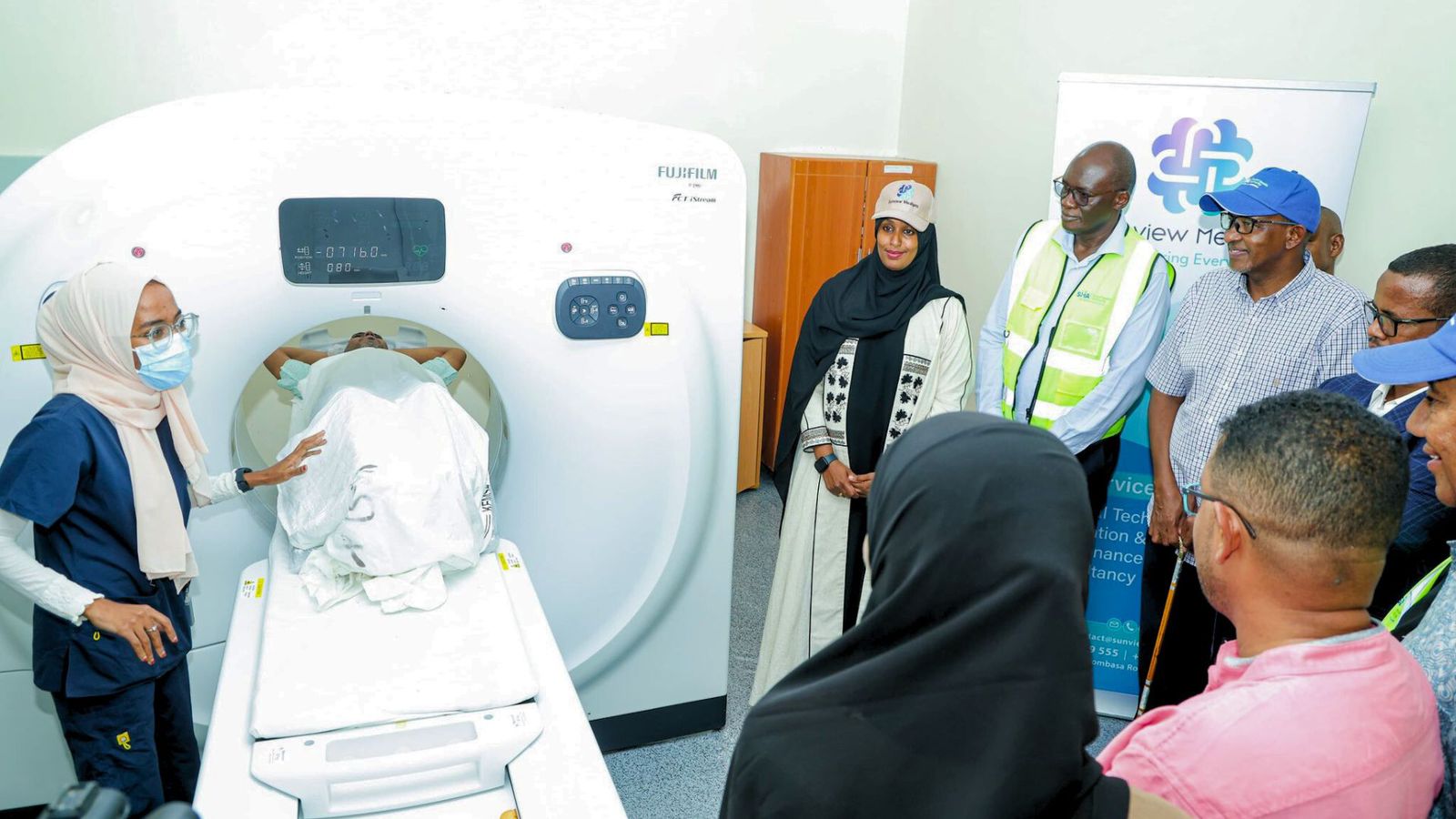
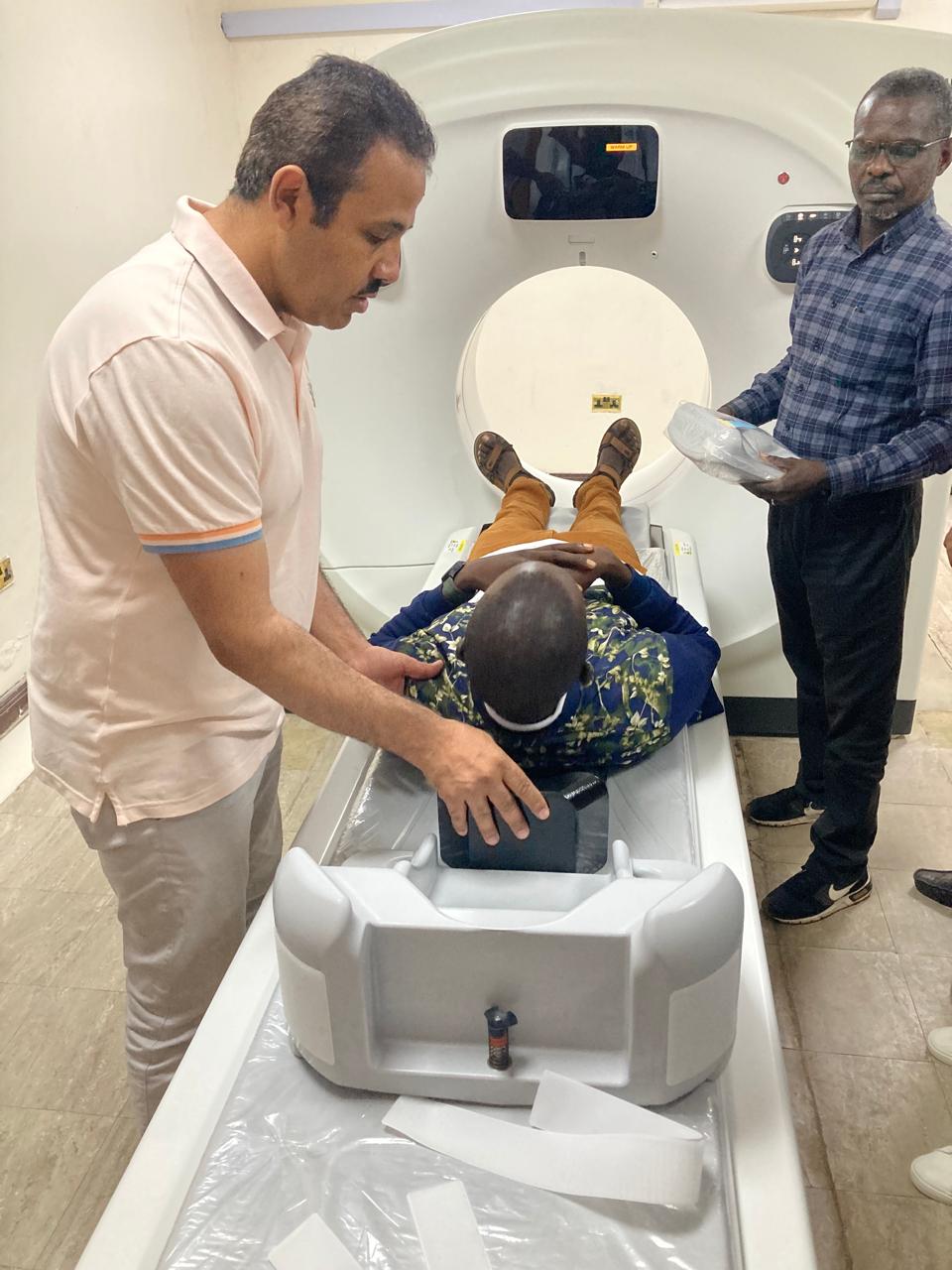
MoH will deploy an initial 98 Diagnostic Imaging CT Scan Machines (two per county), two Diagnostic Imaging Mammogram Machines, 400 operating theatres, and 400 laboratories across the country.
“Our integrated approach ensures that healthcare providers receive seamless support throughout the entire process,” said the CEO of Sunview Medipro Mr. Sirat Amin.
Sunview Medipro International is a partner in the project.
“The program is not just about equipment delivery, but also includes installation, setup, comprehensive training, maintenance, spare parts, consumables, and continuous consultation to ensure uninterrupted and high-quality healthcare delivery,” he said.
Under a Fee for Service (FFS) model, the government designed the initiative to modernize healthcare infrastructure while strengthening early diagnosis and treatment of prevalent conditions in public facilities.
Principal Supply Chain Officer at the Council of Governors, James Kamau said, “With the FFS model in place, public health facilities will now deliver high-end medical services without heavy capital costs.
“This will save counties millions in maintenance costs, which can be reallocated to hire more health workers and procure essential medical supplies,” he said.
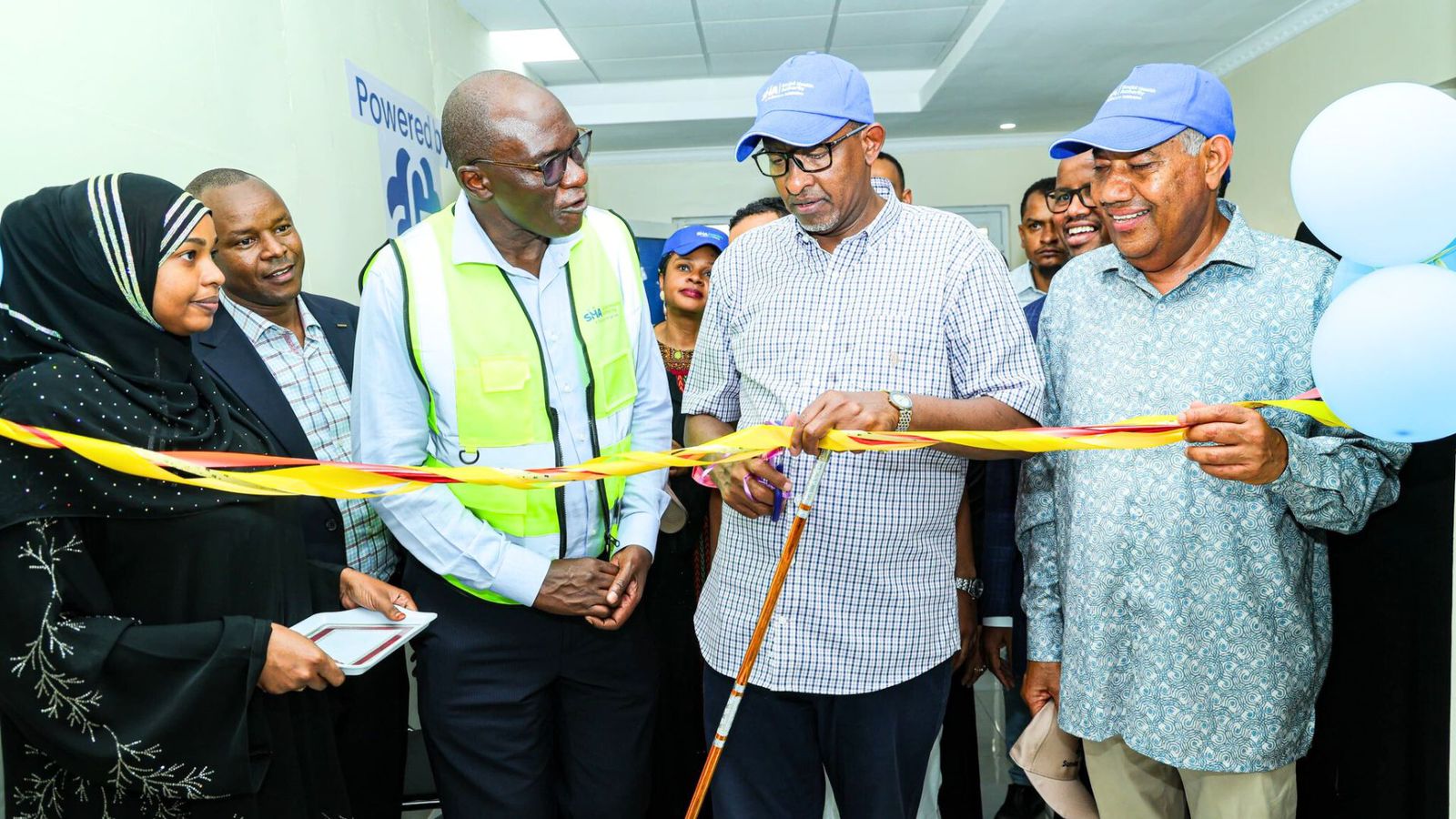
According to Kamau, the first phase will prioritize Level 5 and key referral hospitals with installations underway in four county referral hospitals which include Jaramogi Oginga Odinga Teaching and Referral Hospital (Kisumu), King Fahd Lamu County Referral Hospital, Kerugoya County Referral Hospital and Wajir County Referral Hospital.
The ministry expects the upgraded facilities to enable reverse referrals, allowing patients who would typically seek services at national referral or private hospitals to access comparable care locally.
He said the shift will support one-stop, quality, and free public healthcare services at the county level, aligning with the goals of the Universal Health Coverage agenda.
Kamau said county governments are actively facilitating registration with the Social Health Authority (SHA) to ensure that the public fully benefits from improved healthcare services.
“This proactive approach guarantees that no expectant mother or sick patient is denied care due to inability to pay,” he said.
Health Principal Secretary, Dr. Oluga said, “Equipping our health facilities with the right tools is a cornerstone of effective care. This is how we build a responsive, resilient health system.”
The equipment will support specialties including cardiology, oncology, neurology, pulmonology, urology, and gastroenterology enhancing diagnostics and treatment capabilities across county-level public health facilities.