
Health officials deploy drones to combat malaria in Busia County
ABSALOM NAMWALO AND OWEN MUTAI-KNA
The Department of Health and Sanitation, in collaboration with the End Malaria Council, has launched the third phase of larval management at the source in Akiriamasit, Amukura West Ward, Teso Central Sub-County.
This initiative aims to mitigate the high malaria prevalence in Busia County, which has the highest rate in Kenya.
It comes at a critical time as Busia County continues to experience malaria prevalence rates six times higher than the national average and three times higher than other lake-endemic counties.
At the beginning of last year, Busia County recorded the highest malaria prevalence rate at 39 per cent, six times higher than the national average and three times higher than other lake-endemic counties.
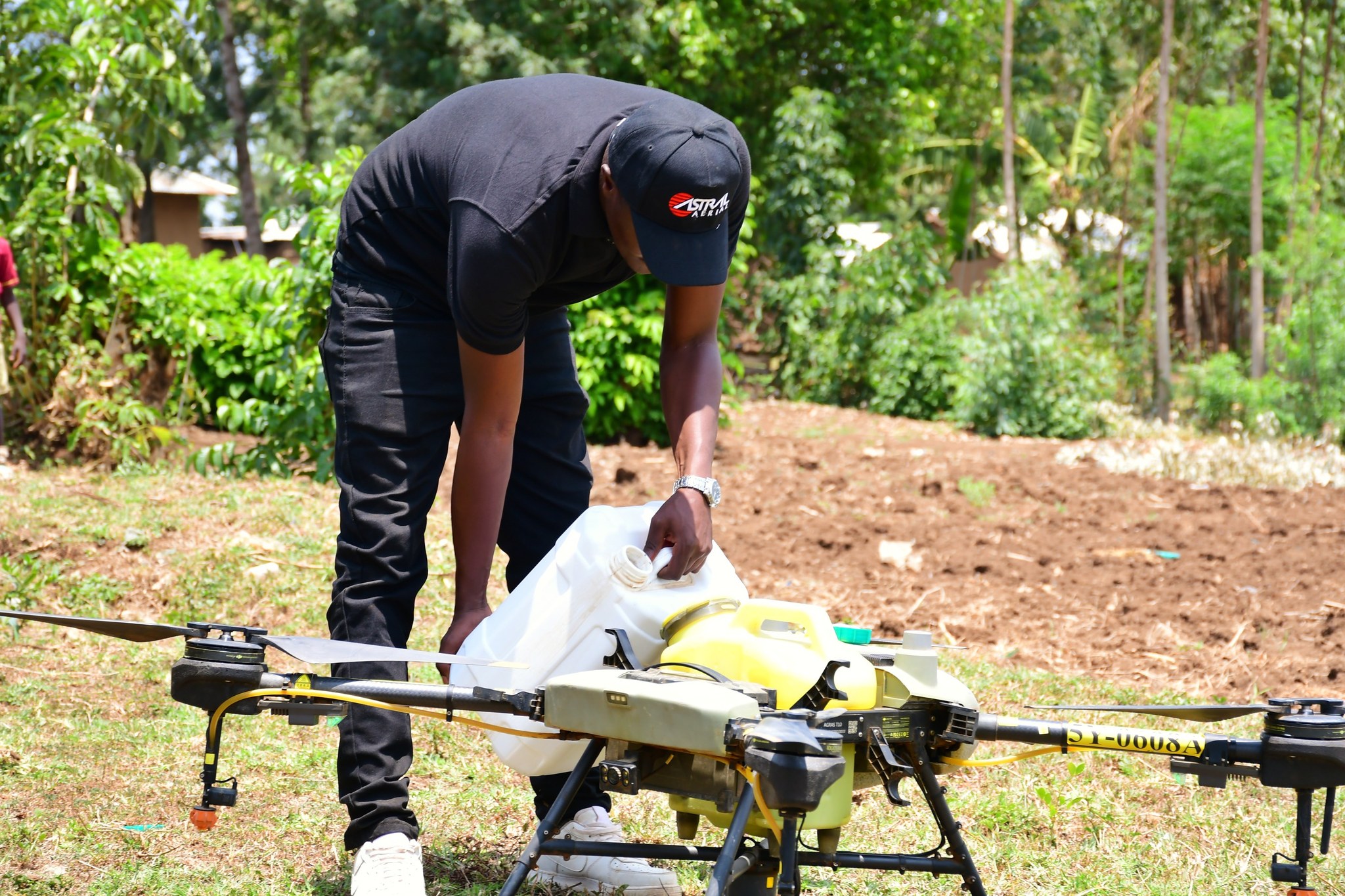
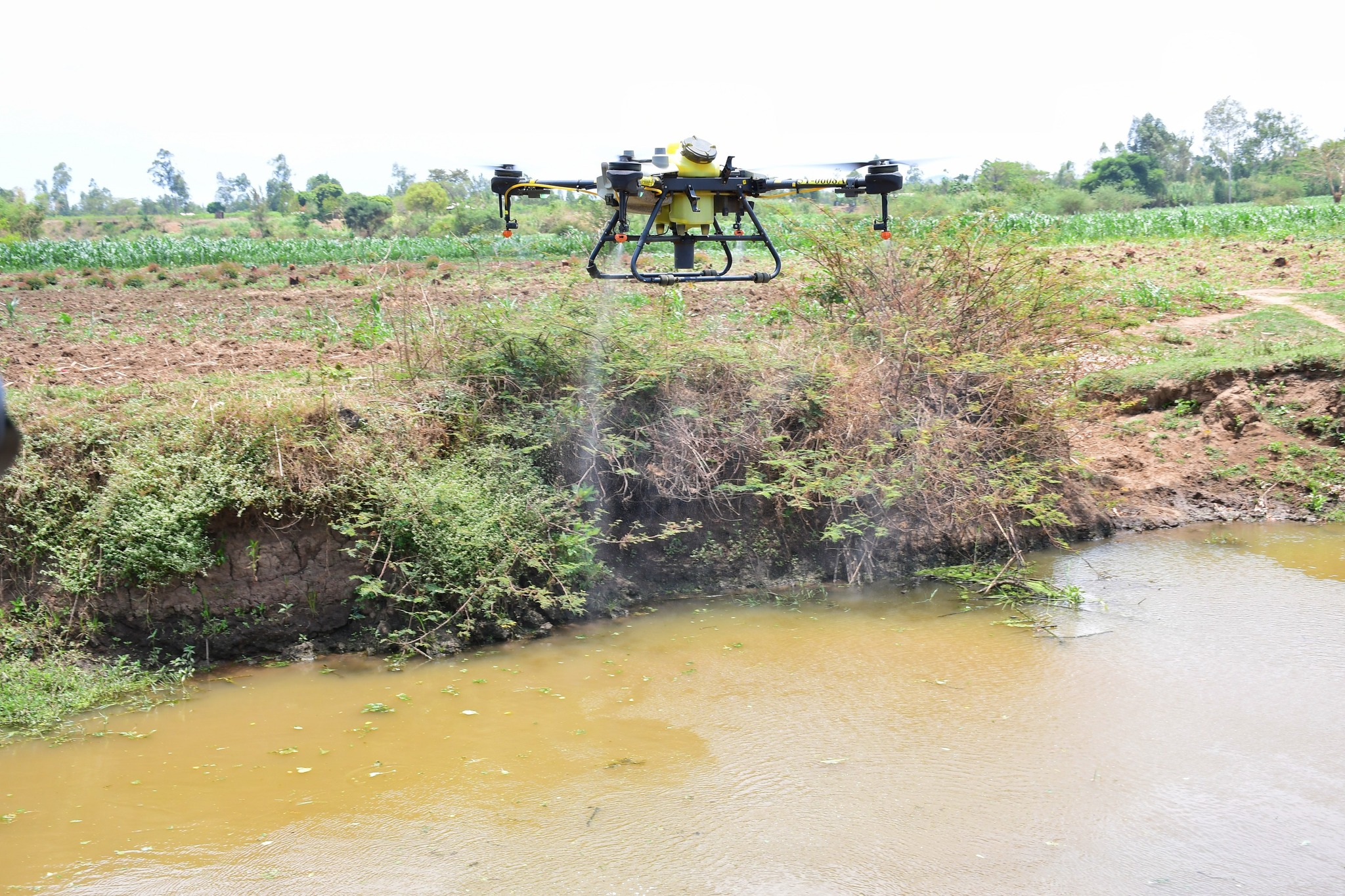
As a result, a robust anti-malaria campaign was launched using drones to administer biolarvicide— an insecticide that targets mosquito larvae, killing them before they mature into adults, thereby reducing malaria transmission.
This innovative approach is efficient especially in accessing unreachable breeding grounds such as swampy areas.
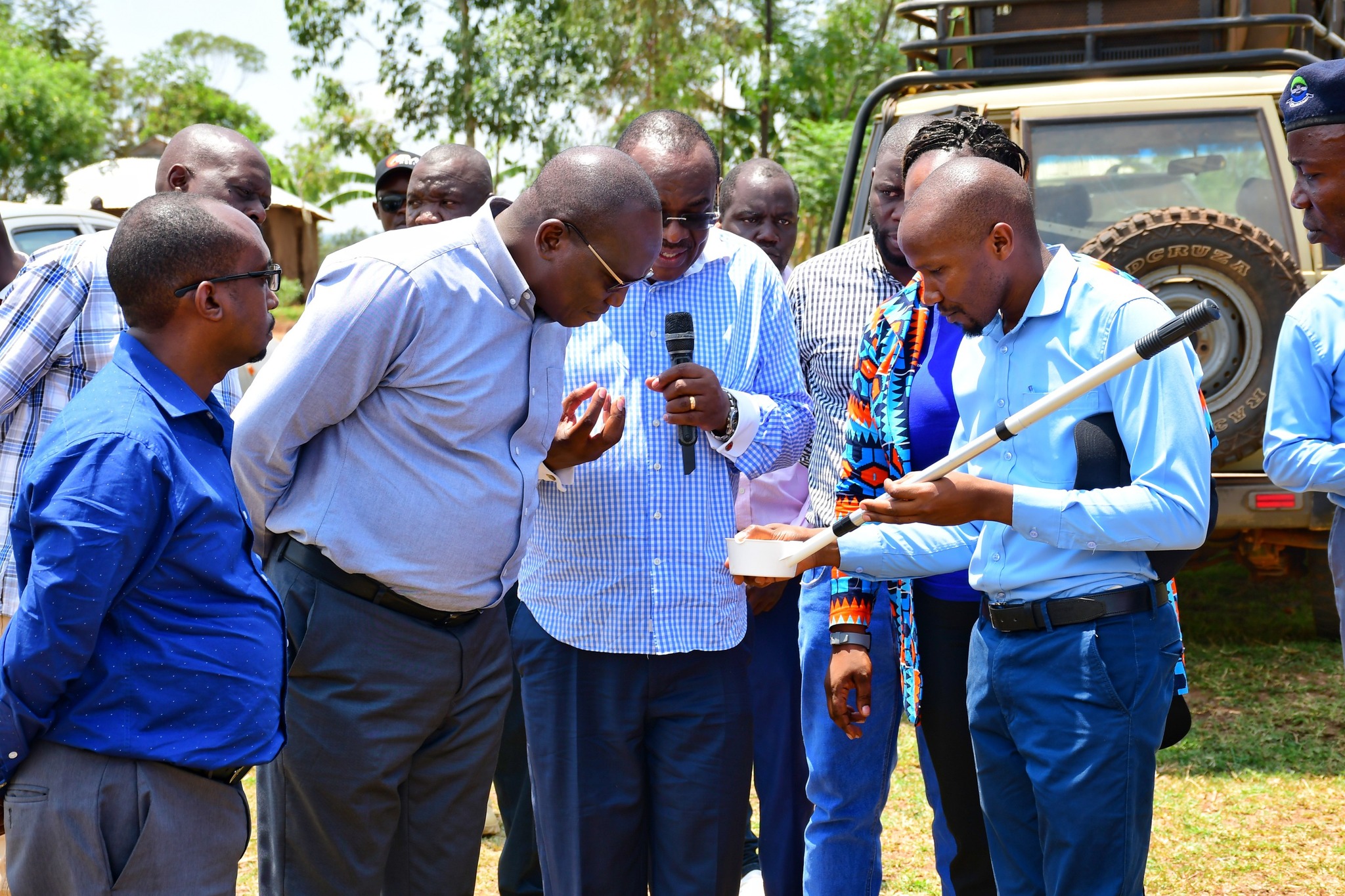
Speaking at Akiriamasit in Amukura West Ward, Deputy Governor Arthur Odera stated that they have made significant progress in reducing malaria transmission through the collective efforts of indoor residual spraying, distribution of treated mosquito nets and use of drones’ technology.
“We have drastically managed to reduce the transmission of malaria in Busia County through our collective efforts by incorporating all the means necessary to combat the high rate of malaria,” Odera said.
In support of his statement, Chief Officer for Public Health Susan Outa emphasized that they would bring Community Health Promoters (CHPs) on board to further enhance the fight against malaria.
Moreover, she urged Busia residents to observe malaria prevention measures by sleeping under treated mosquito nets.
“Despite our efforts to end malaria, I urge the residents of Busia to ensure their safety by sleeping under treated mosquito nets,” Outa stated.
According to the Secretary to End Malaria Council Dr. Willis Afwande, the previous phase treated approximately 17,000 hectares of breeding ground, resulting in a remarkable 95 per cent reduction in adult mosquito populations that would have caused infections.
The County Malaria Control Coordinator Valerian Karani revealed that about 40 per cent of all outpatient visits in Busia Health facilities were due to malaria, with two per cent of deaths attributed to severe cases.