
Gov’t to launch national livestock vaccination drive next month
Wangari Ndirangu-KNA
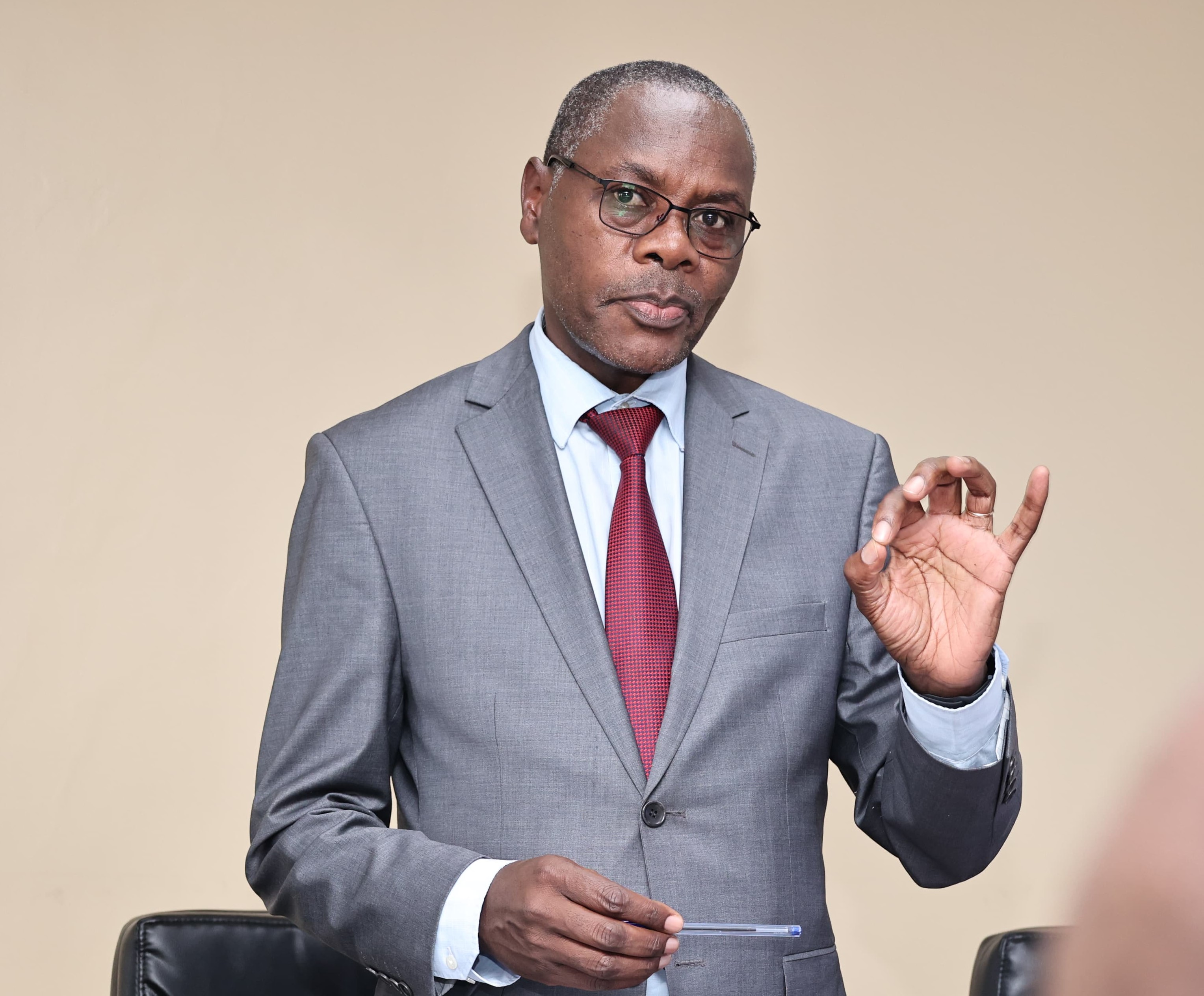
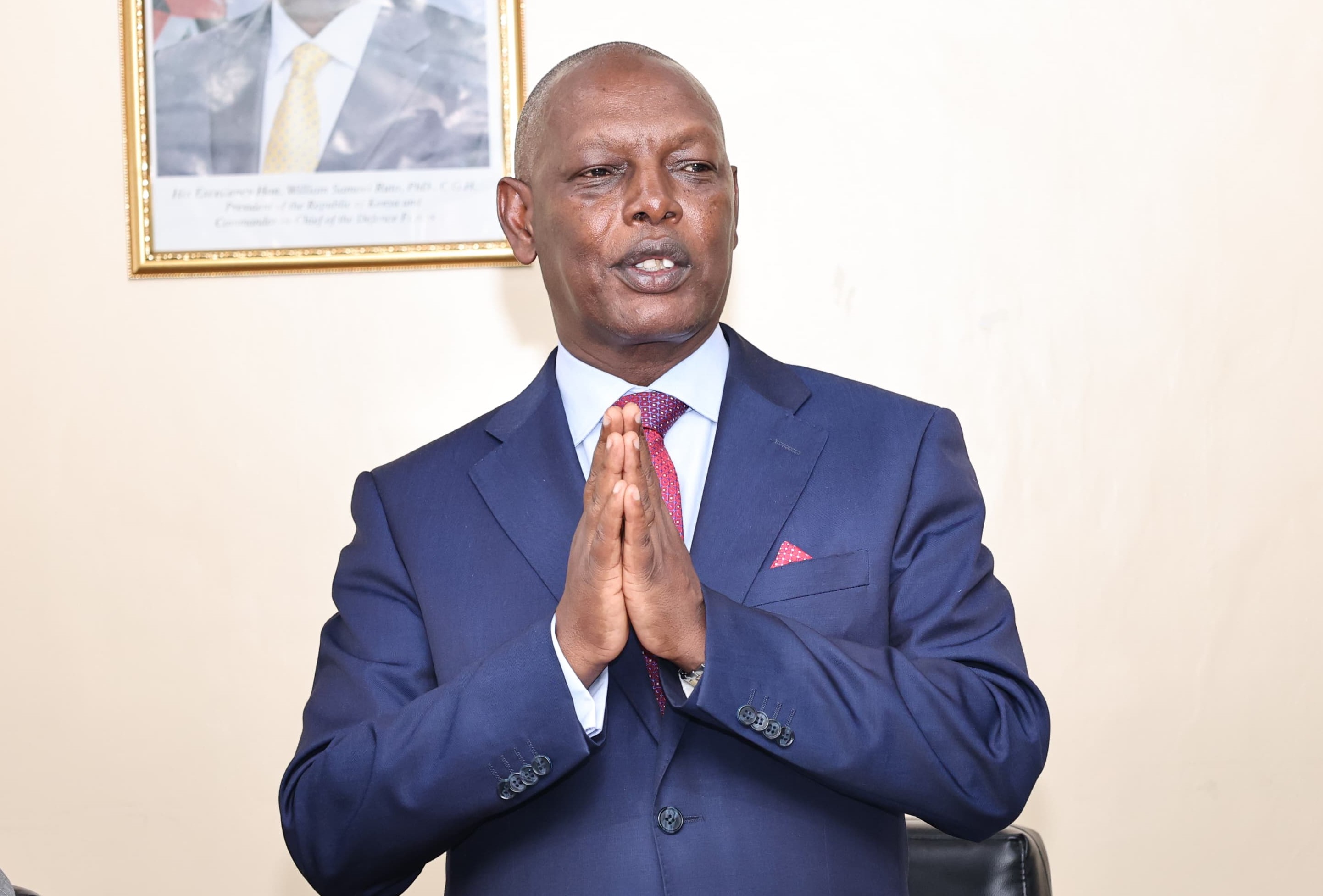
The government will roll out a national livestock vaccination exercise starting January 2025, Agriculture and Livestock Development Cabinet Secretary Andrew Karanja has said.
The country-wide vaccination of livestock, which is an initiative of President William Ruto, targets to vaccinate 22 million cattle against Foot and Mouth Disease (FMD) and 50 million sheep and goats against Peste des petits ruminants (PPR)across the country.
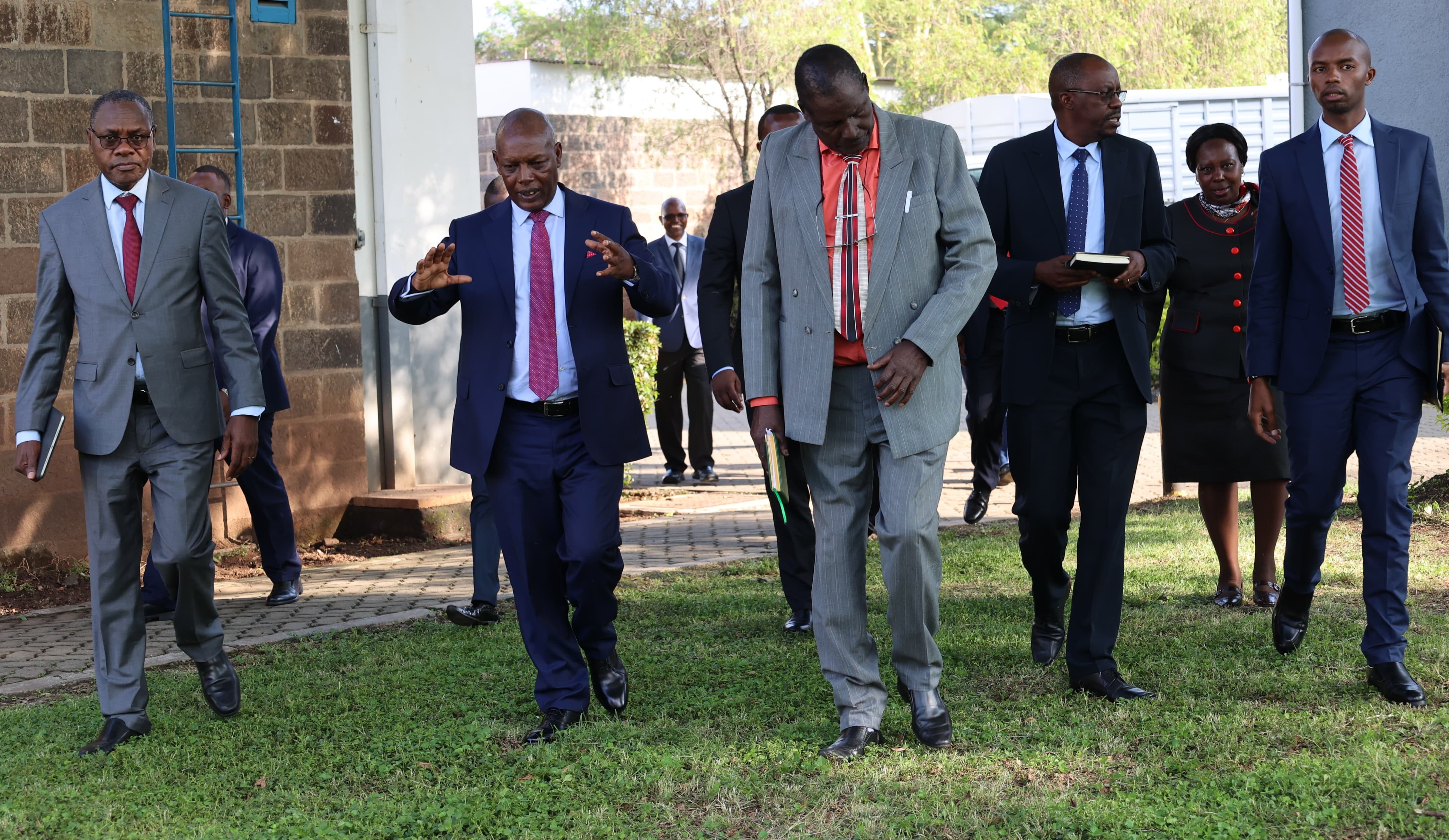
Speaking when he toured the Kenya Veterinary Vaccines Production Institute (KEVEVAPI) to assess preparations, Dr Karanja said the livestock industry is one of the sectors with potential to significantly contribute to economic development and job creation and therefore should be safeguarded.
“We need to trade the animals for meat and in order to do so, we need to create a disease-free country, and that is the reason we are advocating for vaccination of our animals,” Karanja said.
The CS urged wananchi to disregard propaganda peddled by detractors, saying all those bad things that are being said about the vaccinations are not true and terming them as conspiracy theories.
Veterinary vaccines, he noted, have had, and continue to have, a major role in protecting animal health and public health, reducing animal suffering, enabling efficient production of animals to feed the growing human population.
“This process greatly reduces the need for antibiotics to treat food and companion animals. The achievement of a disease-free status will facilitate access to markets for our livestock, livestock products and by-products and job creation along the value chain,” he added.
The CS assured those who are saying the government will import the vaccines that all the vaccines will be sourced from KEVEVAPI since it has enough locally produced vaccines and even more as they are exporting to nine countries in Africa.
He explained that the production of major vaccines has increased steadily over time due to an increased demand by the counties as well as enhanced access to regional and international markets particularly in Uganda, Mali, Senegal, Somaliland, UAE, Sudan and Southern Sudan.
“Our vaccines are not expensive, they are affordable, and counties are able to access them across the country,” he noted and asked KEVEVAPI to also go beyond and have centres across the country as a last mile initiative of being closer to the users.
Dr Karanja further said that KEVEVAPI has put in place systems where vaccines are tested locally and externally by the African Union Pan African Veterinary Vaccine Centre (AU-PANVAC) and have been found fit for use in the country and beyond.
Over the years, the CS noted that the government has supported the Institute to grow its vaccine manufacturing capacities. And currently has capacity to produce up to 75 million doses of vaccines that are also sold to private veterinarians, counties, as well as exported to countries in Africa and beyond.
The CS told livestock farmers that the government means well in carrying out the vaccination exercise and that KEVEVAPI, which has been around since 1964, has the expertise and facilities to produce fifteen (15) livestock vaccines that are considered important in the country and internationally.
“The vaccines are safe, there is nothing to worry about and we want to ensure that all are comfortable, so we are engaging the County Governments and stakeholders, as we roll out this exercise and so am urging farmers to come out in large numbers and offer their animals to be vaccinated,” the CS said.
Director of Veterinary Services (DVS) Dr Allan Azegele said this is the first time in the country that the government has deliberately taken steps towards facilitating vaccination programmes for animals in the country.