
Government initiates performance evaluation for ministries in current financial year
BY GDU TEAM
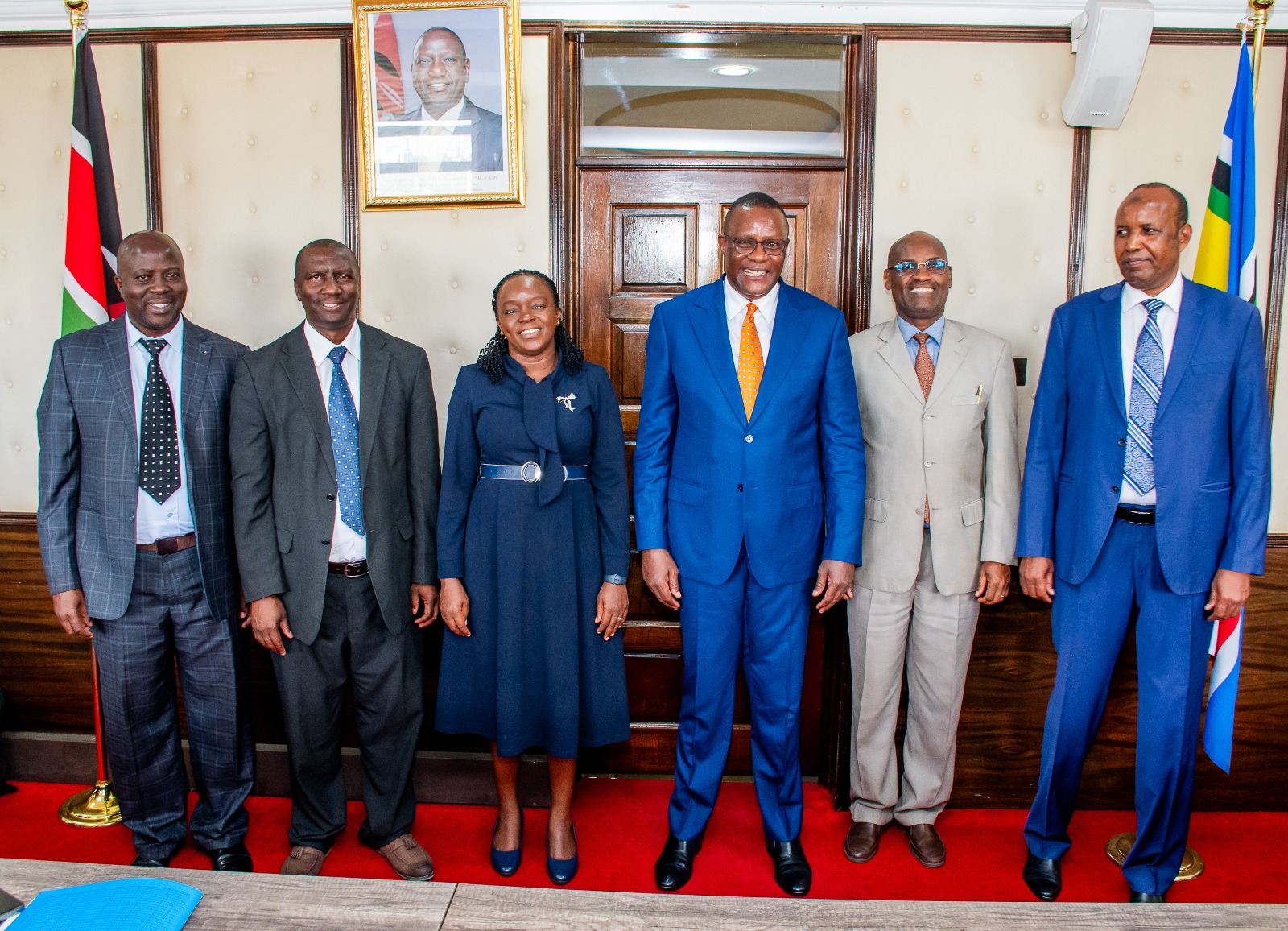
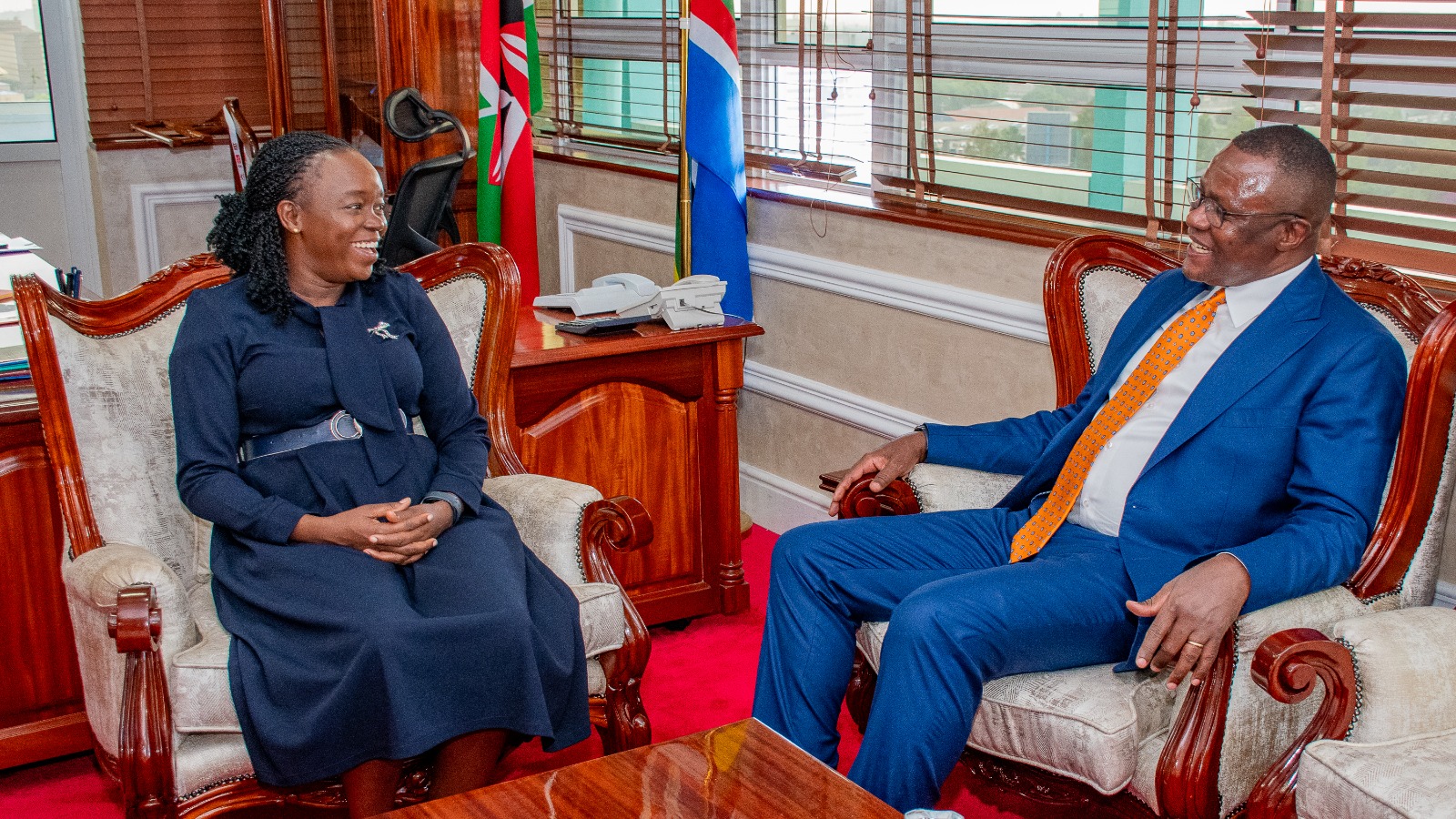
The Government has launched a comprehensive evaluation of the performance of its ministries for the 2023/24 financial year. This initiative, which commenced on December 9, 2024, is spearheaded by the Office of the Deputy Chief of Staff for Performance and Delivery Management headed by Eliud Owalo (pictured).
It forms a critical part of the government’s Performance Management Framework, aimed at ensuring accountability and alignment with Kenya’s national development goals. The evaluation focuses on commitments, performance indicators, and targets detailed in the ministries’ performance contracts for the financial year.
These targets were drawn from key government policy blueprints, including Kenya Vision 2030, the Fourth Medium Term Plan (2023-2027), and the Bottom-up Economic Transformation Agenda (BETA).
Over the past year, ministries, state corporations, and tertiary institutions submitted quarterly performance reports through the Government Performance Contracting Information System (GPCIS).
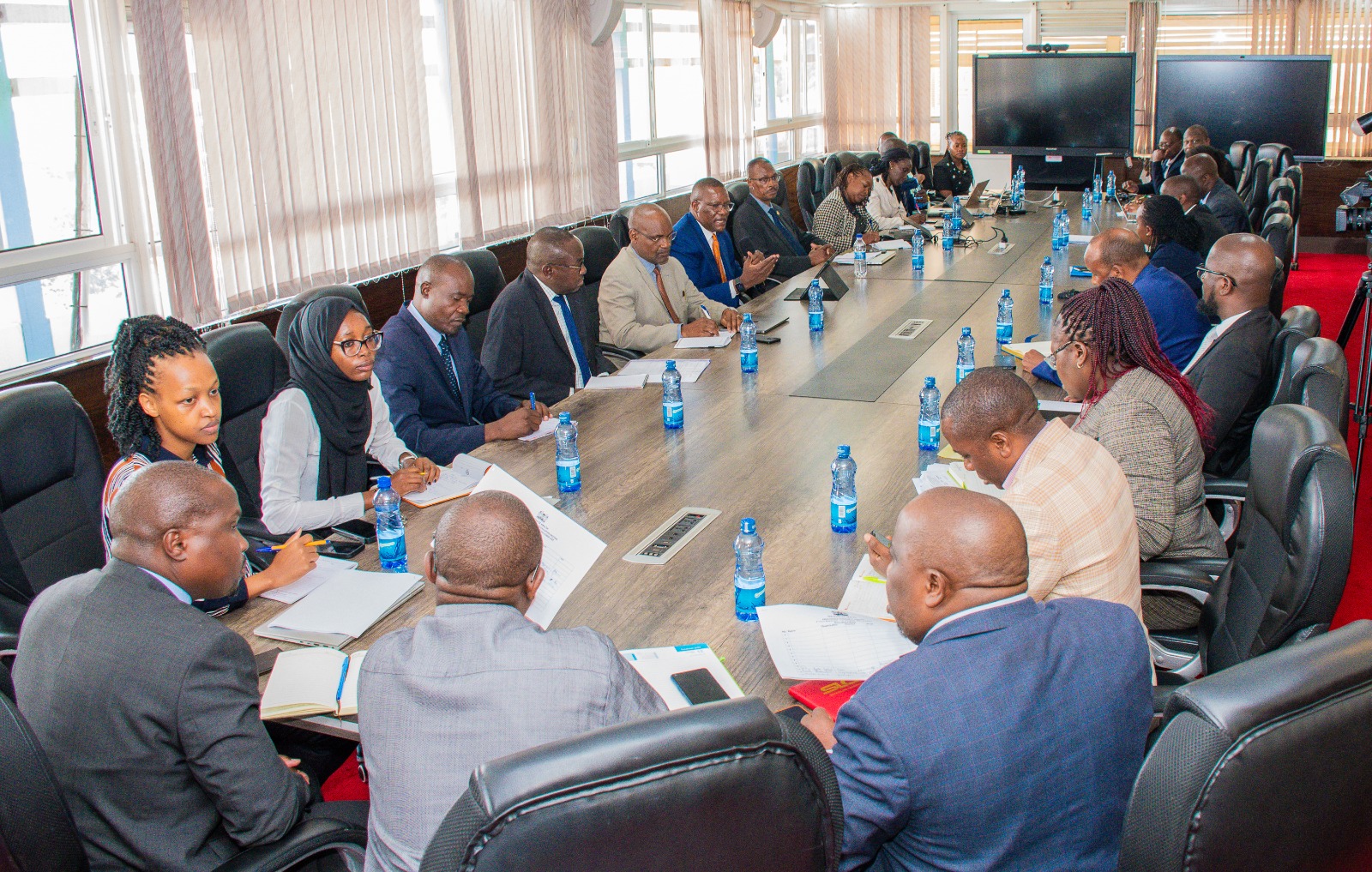
They also conducted self-evaluations and submitted their findings at the end of the fiscal year. The ongoing exercise, led by the Public Service Performance Management Unit (PSPMU), involves a meticulous verification process to assess the accuracy of the reported achievements. This is achieved through a combination of formal documentation review and physical verification where necessary.
The Deputy Chief of Staff for Performance and Delivery Management has already launched the evaluation process in key ministries, including Tourism and Wildlife on December 9, Lands, Public Works, Housing, and Urban Development on December 10, and Health on December 11.
The evaluation is guided by a structured methodology outlined in the Performance Contracting Guidelines issued at the start of every financial year.
It assesses ministries across six core categories: financial stewardship, service delivery, core mandate, implementation of presidential directives, affirmative action in procurement, and cross-cutting issues.
Each category comprises specific indicators and targets that are rigorously evaluated against the results achieved. This transparent and participatory process provides ministries with an opportunity to reflect on their performance, analyze factors that influenced outcomes, and identify areas of strength and weakness.
Departments, divisions, and units within the ministries also review challenges encountered during the year, enhancing their understanding of the performance framework and fostering a culture of continuous improvement.
The exercise is expected to conclude within two weeks, after which a detailed performance evaluation report will be prepared. This report will provide feedback on areas of commendable performance and highlight areas requiring improvement.
It will also serve as the basis for instituting rewards and sanctions, further reinforcing accountability and efficiency across government ministries.
By aligning institutional performance with Kenya’s strategic priorities, the evaluation underscores the government’s commitment to transparency, effective service delivery, and the achievement of its national development objectives.