
Education CS Ogamba showcases CBC funding, infrastructure milestones at stakeholders forum
Joseph Kamolo Mutua-PCO
Approximately Sh85.5 billion has been used from 2016/2017 – 2024/2025 Financial Years to fund CBC in primary schools.
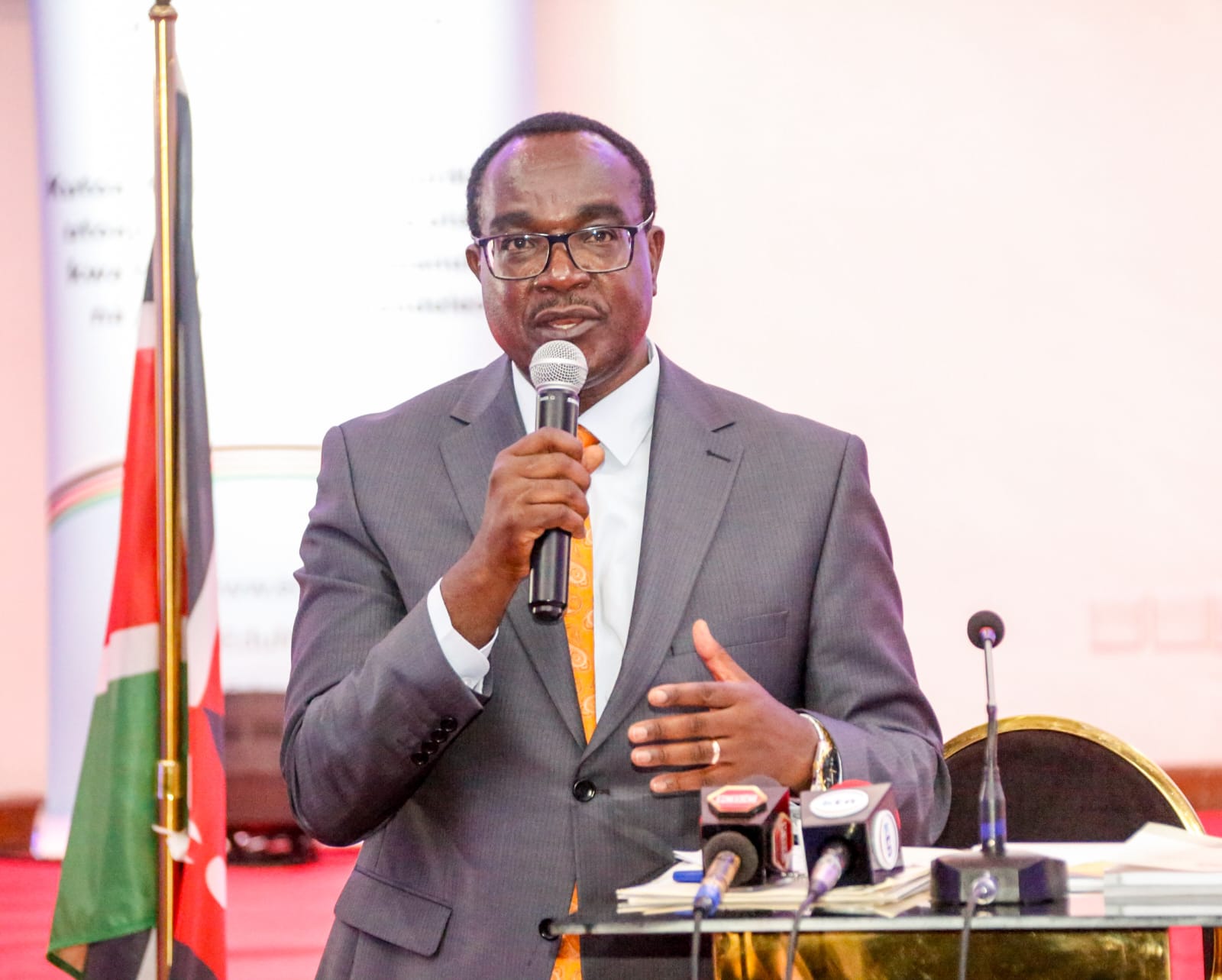
Speaking during a stakeholder’s engagement on CBC, Education Cabinet Secretary, Julius Migos Ogamba, said the amount invested in Junior School between 2023/2024 to 2024/2025 financial years (FY) is Sh61.66 billion.
The Cabinet Secretary noted that in the last five financial years, Sh310 billion has been spent on secondary education in form of capitation.
‘‘The GOK investment in secondary education in terms of capitation for the last five financial years catered for a total of 19,084,644 students, ’’ Dr Ogamba said at the Kenya Institute of Curriculum Development (KICD), Nairobi.
Over the last five years, a total of 3,396,322 students benefitted from government capitation. During the 2021/22 FY a total of 3,690,376 students were awarded the capitation funds.
During the 2022/23 FY, 4,172,432 students benefitted from government capitation where 4,238,433 students benefitted in the 2023/24 Financial Year.
The government allocates capitation to every learner at Sh1,420 per year for Grade 1-6, Sh15,042 for Junior School and Sh22,244 for secondary learners.
On instructional materials, the Cabinet Secretary observed that the government has spent approximately Sh22 billion for CBC course books, Sh326 million for rationalised curriculum designs and KSh9.6 billion or rationalised course materials.
Primary schools have maintained classrooms for Grade 1 to 6 and donated two previously utilized for Standard 7 and 8 to Junior Schools.
The CS observed that the Ministry is constructing 11,000 Grade 9 classrooms.
The construction started in July 2024 and is expected to be completed by the time schools open in January 2025. The Ministry is also collaborating with NG-CDF to construct an additional 6,800 classrooms. Modalities to establish Learning Resource Centres (LRC’s) are also under way.
In senior schools (currently secondary schools) there are 94,044 classrooms, 13,908 science laboratories, 160,093 sanitary facilities, 1,726 ICT facilities and 980 workshops in the country.
The shortfall in infrastructure requirement for implementation of CBC in senior schools will be developed. Currently, there is an infrastructure shortfall in of 1,223 Classrooms, 2,804 science, 7,801 ICT laboratories, 27,181 sanitation facilities, 1,750 workshops.
CS Ogamba revealed that the government will progressively develop these infrastructure facilities over the course of three years as the students’ progress through Senior School.
The government has recruited a total of 76,928 teachers out of which 56,928 teachers are permanent and pensionable and 20,000 are intern teachers.
Training on CBC implementation has been undertaken for 229,292 serving primary teachers since 2019 and 60,642 Junior School teachers.
The Ministry through the Kenya Institute of Curriculum Development procured 9,926,618 Grade 9 text books.
At the end of last year, some 5,494,383 (55.33 per cent) textbooks had already been distributed to schools. The exercise is scheduled to be completed by end of December, 2024.
The books will be distributed to schools in the ratio of 1:1 to the learners. In addition, KICD is completing the process of uploading the curriculum designs in its website to enable digital access to teachers and other stakeholders.
KNEC has developed a Competency Based Assessment Framework that offers guidance on formative and summative assessments aligning with the recommendations of the Presidential Working party on Education Reform.
KNEC has leveraged technology to register, upload assessment tools, learners’ scores and feedback reports which has increased efficiency in conducting assessments.
Approximately Sh2,518,978,01has been used from FY 2017/2018 to 2024/2025 to finance competency based assessment at primary and junior school levels.
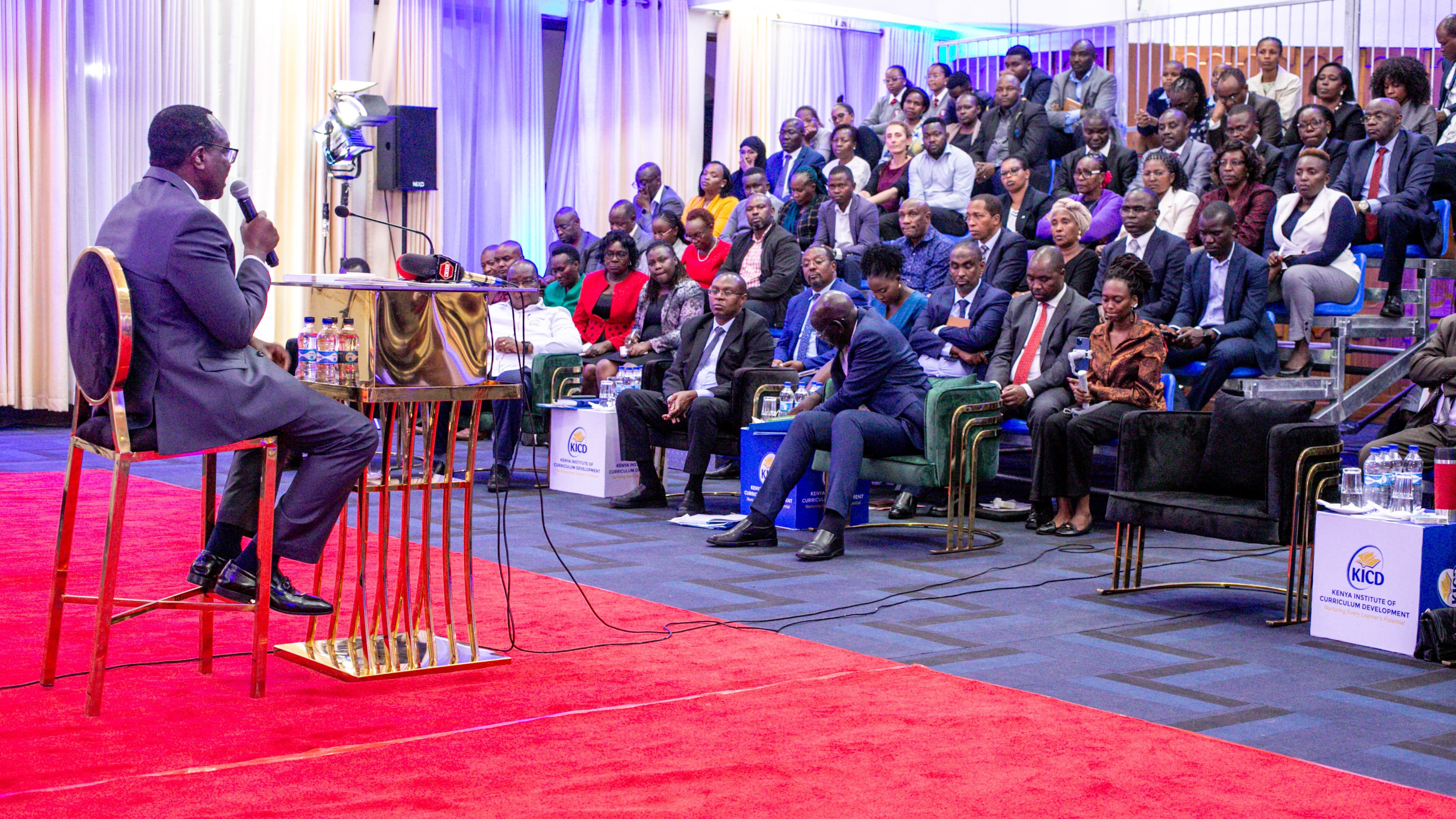
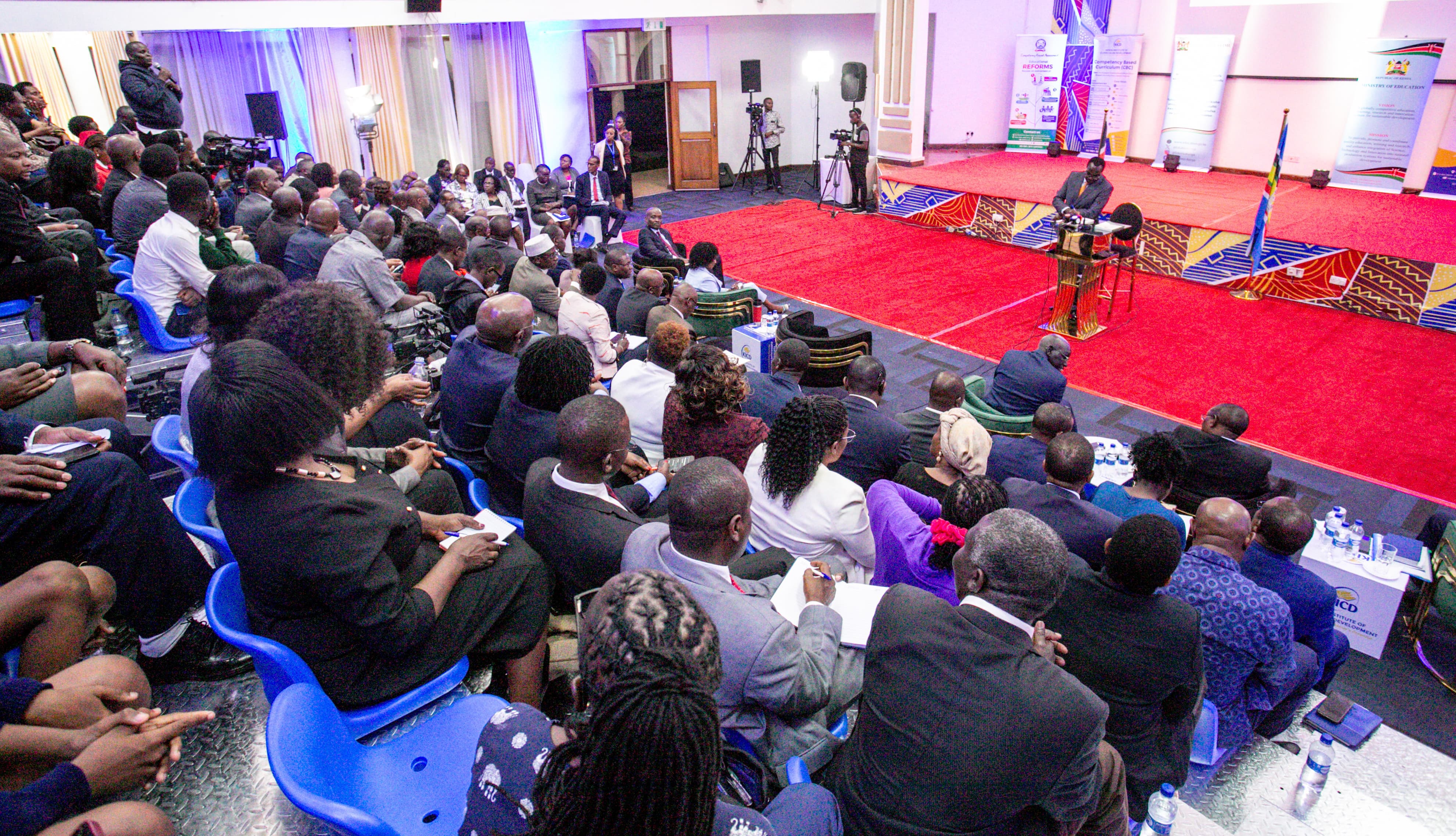
Present during the stakeholders engagement was Basic Education Principal Secretary Dr Belio Kipsang and CEOs and Board Chairs from the education sector, universities, civil society, faith based organisations, students, teachers among others.