
East and Horn of Africa delegation studies labour migration systems in the Philippines
By Julius Ndegwa (PCO)
A high-level delegation from the East and Horn of Africa visited Manila, Philippines, last week on a study mission to draw lessons from one of the world’s most advanced government-led labour migration systems.
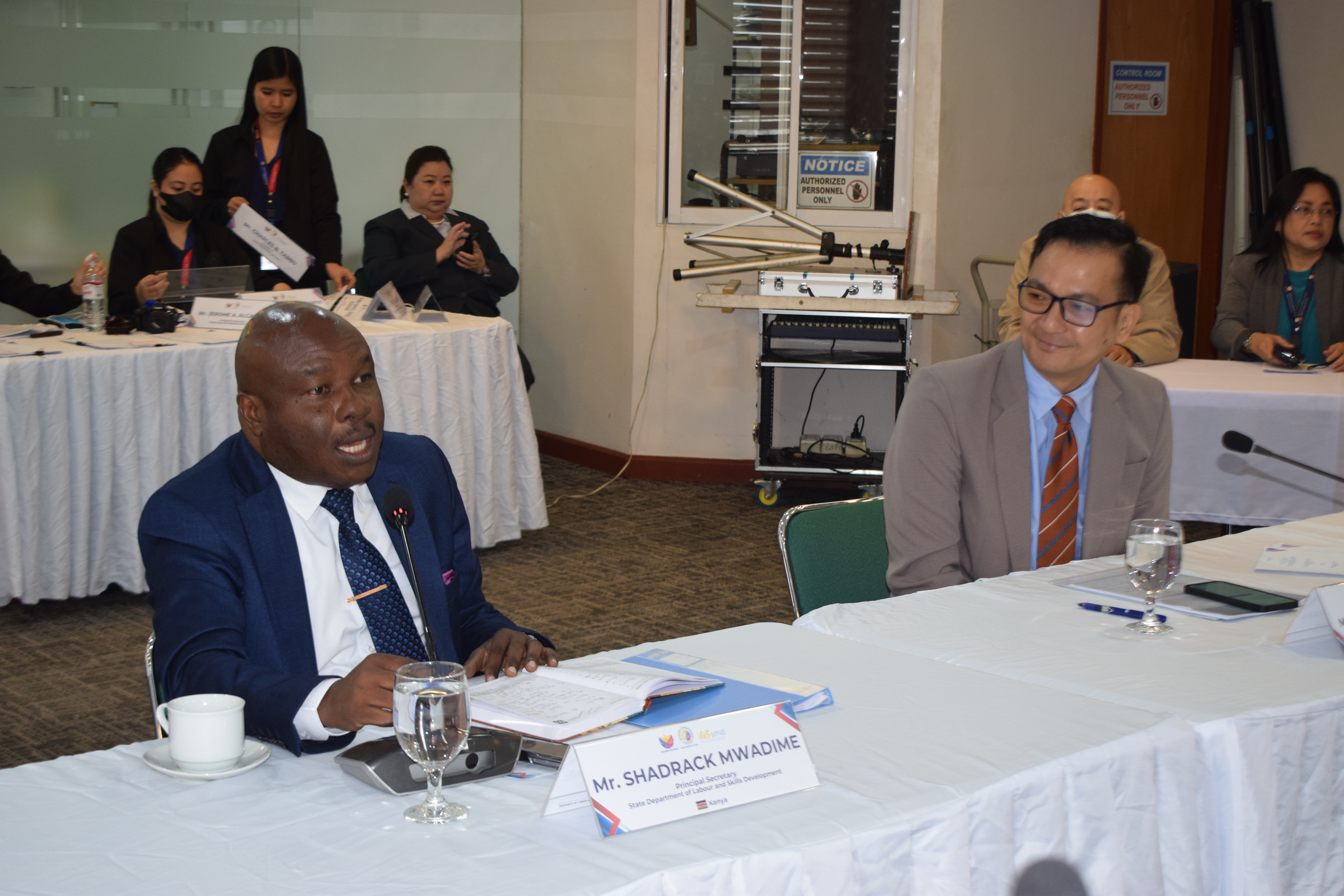
The delegation, led by Kenya’s Principal Secretary for Labour and Skills Development, Mr. Shadrack Mwadime, included senior labour officials from Ethiopia, Uganda, Tanzania, Somalia, and Kenya.
Their mission aimed to strengthen regional cooperation, enhance policy exchange, and promote shared learning on best practices in labour migration governance and migrant worker protection.
Organised and sponsored by the International Labour Organization (ILO), the five-day visit was part of ongoing efforts to foster safe, orderly, and well-governed labour migration through South–South cooperation. The timing was critical, as countries in the East and Horn of Africa seek to expand access to safe overseas employment opportunities, curb irregular migration, and address recruitment abuses.
With over five decades of experience in managing large-scale overseas employment, the Philippines offered a relevant model for peer learning. “Our mission was about learning from what works in a comparable setting,” said PS Mwadime. “The Philippines has built a system that balances overseas employment promotion with strong worker protection. Our goal is to draw lessons that are practical, tested, and adaptable to our regional realities.”
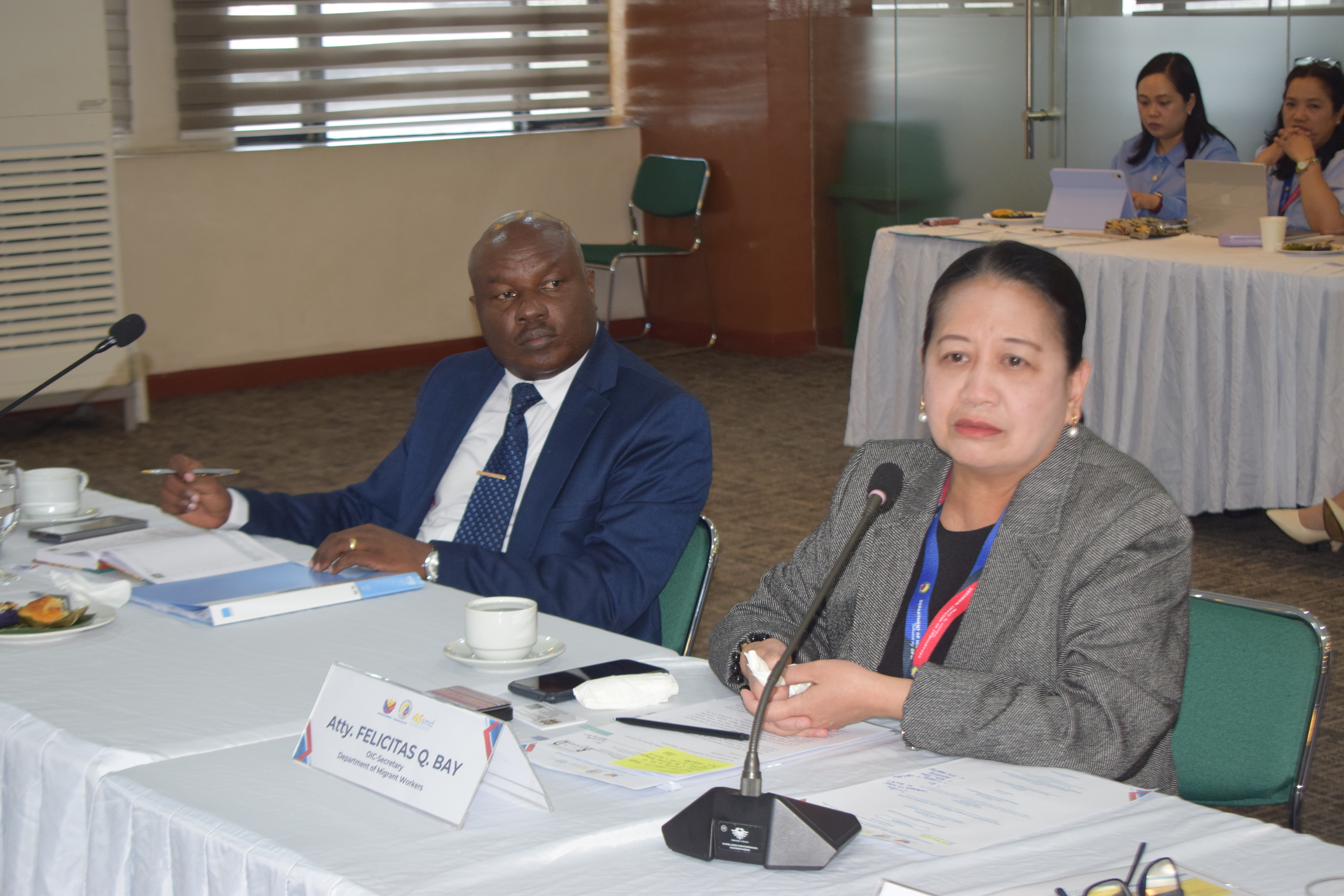
A key highlight of the programme was an engagement at the Philippines’ Department of Migrant Workers (DMW), where the delegation was received by Secretary Felicitas Bay and Assistant Secretary for Policy and International Cooperation, Mr. Levinson Alcantara. Discussions centred on the Philippines’ experience in managing labour migration through strong government oversight, collaboration with licensed recruitment agencies, and comprehensive worker protection policies.
Secretary Bay emphasised the importance of government leadership in regulating recruitment and safeguarding migrant welfare. “Labour migration cannot be left to the market alone. Strong regulation, clear accountability, and coordination across institutions are essential to protecting migrant workers and ensuring migration benefits families and national development,” she noted.
The Philippine model showcased several pillars of success: tightly regulated recruitment systems; mandatory pre-departure orientation and skills training; bilateral labour agreements with destination countries; responsive welfare and protection mechanisms for overseas workers and reintegration programmes supporting returning migrants through skills recognition, livelihood assistance, and social protection
Assistant Secretary Alcantara highlighted the importance of policy coherence and inter-agency collaboration. “From recruitment to deployment and eventual return, our approach is to ensure continuity of support. Migrant workers should never feel abandoned at any stage of their journey,” he said.
For the East and Horn of Africa, the benchmarking mission is expected to inform reforms in labour migration policy, ethical recruitment frameworks, skills recognition systems, and inter-agency coordination.
Mwadime stressed the need to strengthen skills development and certification systems to enhance the competitiveness and protection of African workers abroad. “When skills are recognised and recruitment is ethical, workers are better protected, and destination countries gain confidence in our systems,” he said.
Widely regarded as a global reference point, the Philippines’ labour migration model offers valuable insights for Kenya and other African countries grappling with youth unemployment and rising demand for overseas jobs. The Manila visit provided an opportunity to translate proven practices into regionally owned solutions.
At the conclusion of the mission, Mwadime reaffirmed the delegation’s commitment: “Labour mobility must be a driver of inclusive development while ensuring that migrant workers are protected, supported, and empowered wherever they work.”