
EAC ministers set ambitious agenda to improve trade and infrastructure
Munyasya Musya-PCO
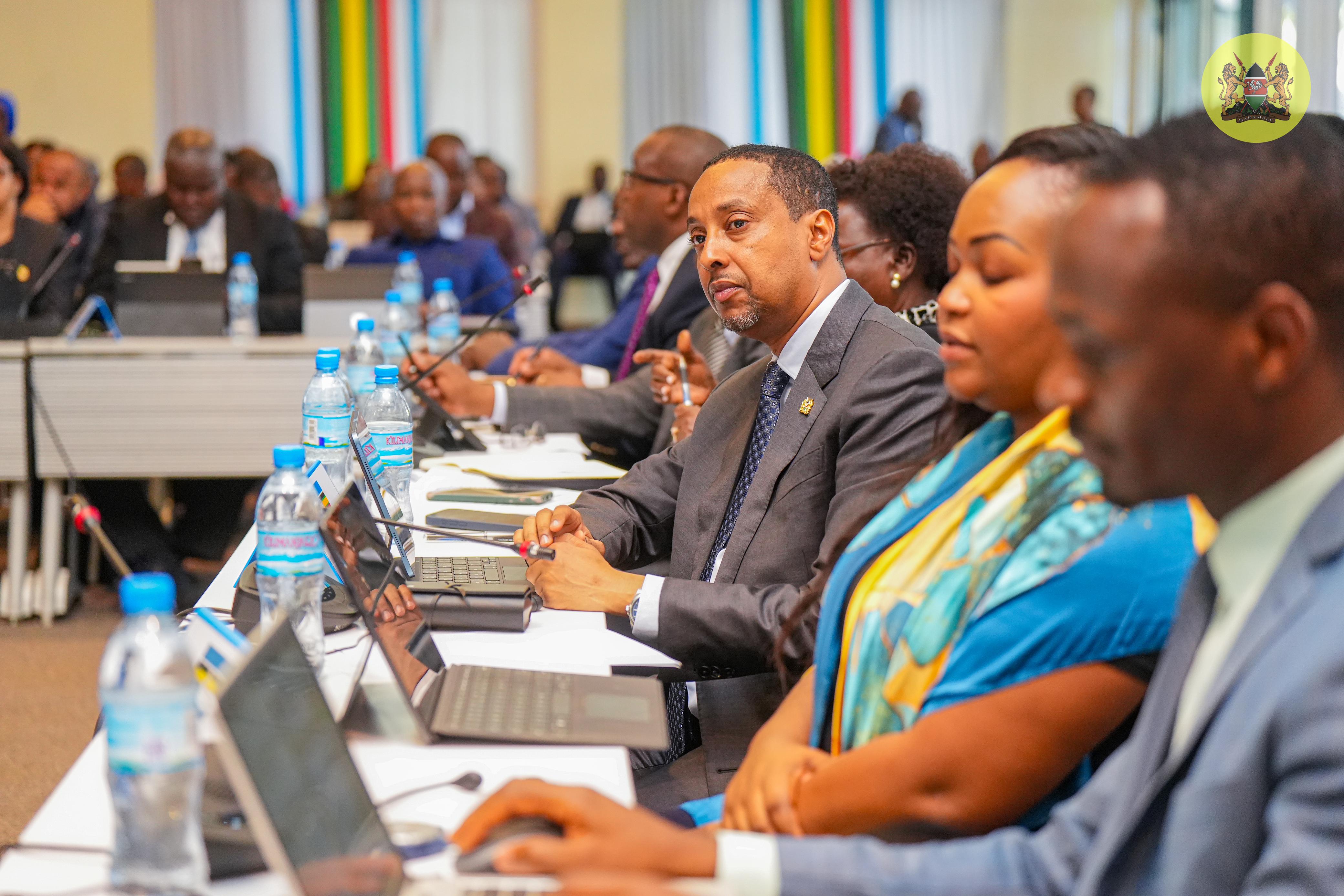
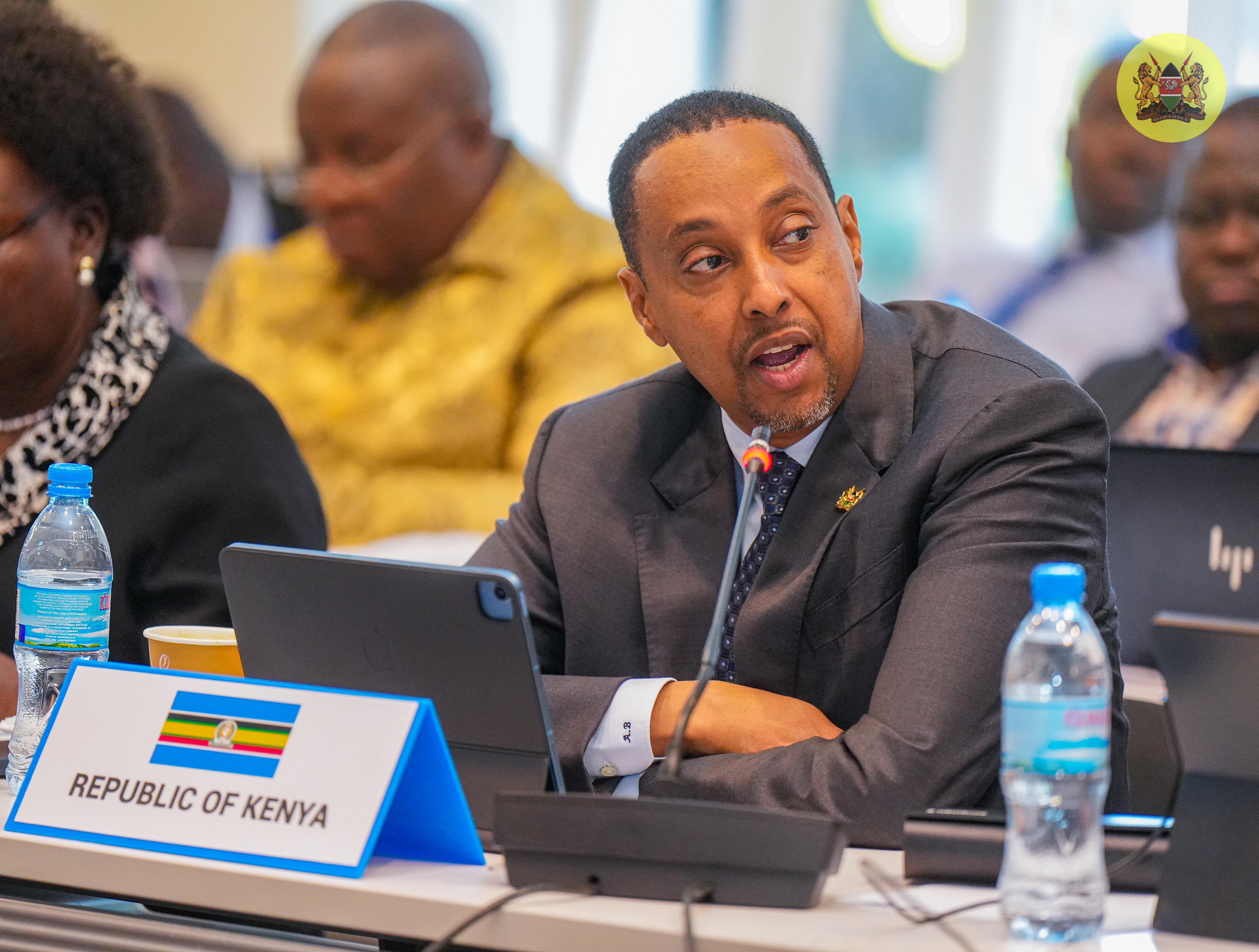
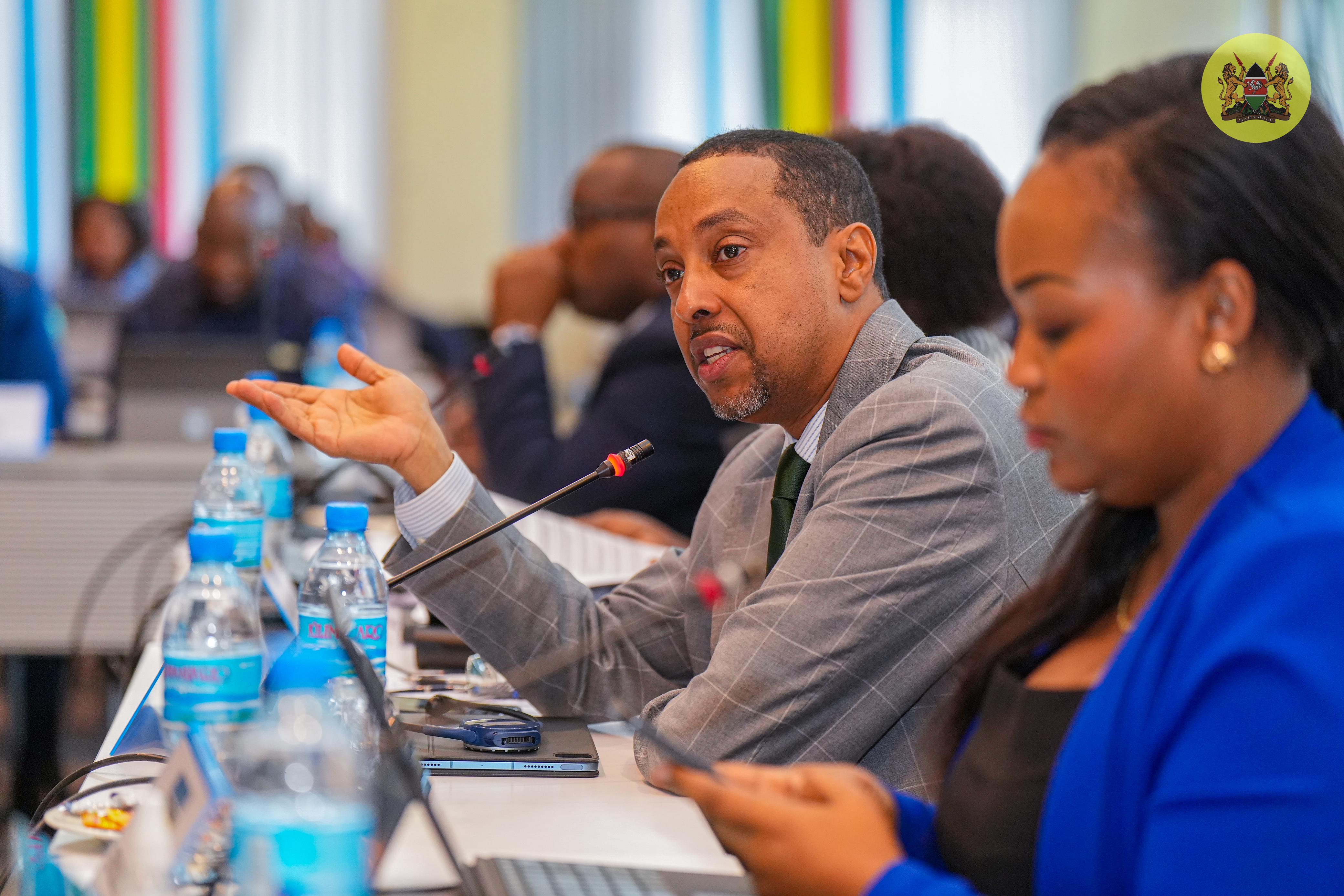
Ministers in charge of the East Africa Community from eight partner states met in Arusha, Tanzania for their 46th Council of Ministers meeting to deliberate on the progress of the community’s integration process.
The Council of Ministers meeting was preceded by consultations among senior officials including Principal Secretaries that tackled a multiplicity of issues and made recommendations for approval ahead of the 24th Ordinary Heads of State Summit, which was on Saturday, November 30th, 2024.
East Africa Community (EAC), ASALs and Regional Development Cabinet Secretary Beatrice Askul led Kenya’s delegation to the meeting accompanied by Principal Secretary Abdi Dubat among other senior government officials.
Key issues in the deliberations agenda include implementation of the single customs territory, tariff structures, enhancing trade policies and private sector engagement in a bid to enhance trade, revenue collection, reduce turnaround time from 21 days to four days along the EAC corridors, and greater private sector participation in regional trade.
Other issues on the Customs Union included resolution of non-tariff barriers to trade (NTBs), the expansion and operationalization of one-stop border posts (OSBPs) among others.
The Council also discussed tracking of reforms in the implementation of the EAC Common Market Protocol which entails monitoring partner states’ progress in aligning national laws with the freedoms and rights under the Common Market Protocol.
Other issues under the common market banner included the implementation of the promotion of EAC micro, small, and medium enterprises (MSMEs), harmonization of regional quality standards for goods and the harmonization of laws, protection of migrant workers’ rights, and enhancement of the benefits of organized labour migration in the community.
The Council of Ministers chaired by South Sudan’s Minister of East African Community Affairs Mr. Deng Alor Kuol also discussed and proposed recommendations towards enhancing industrialization to reduce the region’s reliance on imports and position the EAC as a key player in implementing the African Continental Free Trade Area (AfCFTA).
Other issues included strengthening the region’s agricultural value chains for key crops, addressing climate challenges through climate-smart agriculture, promoting tourism and wildlife conservation.
The council also deliberated the expansion of roads networks as well as resolution of challenges related to road-user charges among partner states, expansion of railway transport networks and air transport as well as developments in communications, energy, and the health sector among others.
On the Monetary Union, the council deliberated on tax harmonization in a bid to promote cross-border investment and prevent tax evasion, to remove tax distortions and promote efficient allocation of resources within the community among other issues.
Enhancement of democracy and good governance, peaceful elections in member states and the making of the EAC political Confederation Constitution and regional peace and stability were also tackled.
The council also received, reviewed and made recommendations on the reports of the community’s organs and institutions such as the East African Legislative Assembly (EALA), the East African Court of Justice (EACJ) among others.
It addressed pertinent challenges affecting the EAC which celebrated 25 years of existence on Saturday, November 30, 2024, in Arusha.