


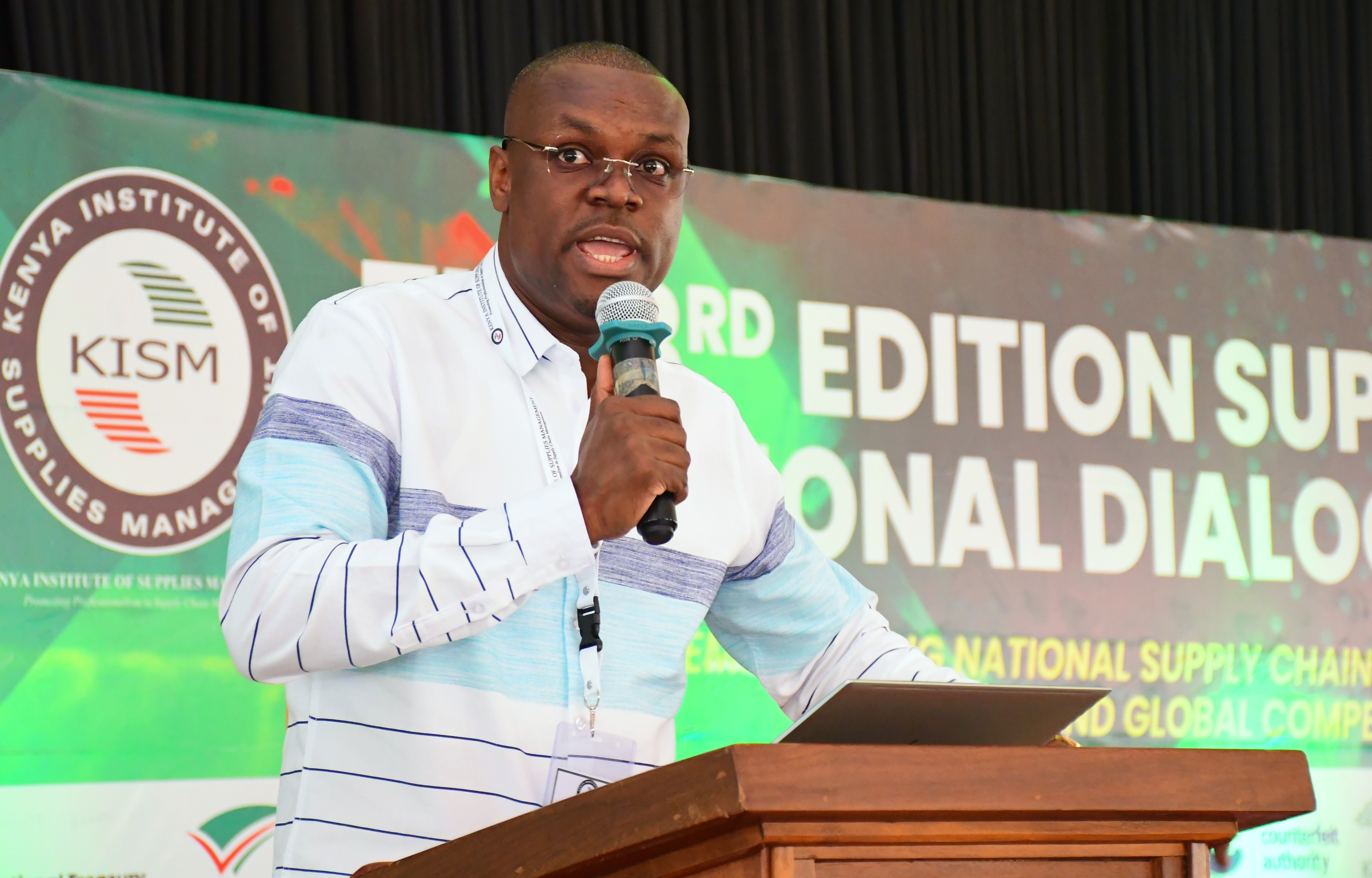
E-procurement system to fight corruption, enhance transparency in supply chain
FATMA SAID-KNA
The adoption of the electronic procurement system will significantly enhance ac countability and transparency in supply chain processes in Kenya.
The Chairman of the Kenya Institute of Sup plies Management, John Karani, has stated that by automating and digitizing transactions, the system will reduce opportunities for malpractice, ensure better governance, and create a more open and competitive environment.
This shift is expected to foster greater trust and efficiency within procurement operations, benefiting both public institutions and stakeholders.
Speaking at the third edition of the Supply Chain National Dialogue in Mombasa, Karani noted that the issues of supply chain management and corruption have unfortunately been interlinked for too long.
He added that the institute is instilling discipline among its members, ensuring the segregation of duties, and holding every one accountable as the transition to the adoption of e-procurement continues.
Themed “Strengthening National Supply Chains for Innovation, Resilience, and Global Competitiveness,” Karani noted that the theme was strategically curated as the procurement and sup ply chain landscape faces challenges such as frag mentation, limited technological adoption, and inadequate sustainability practices.
Karani stated that KISM aims to be the primary authority on all matters related to supply chain management, thereby easing the burden on its members.
He emphasized the importance of partnerships with organizations such as the Directorate of Criminal Investigations (DCI) and the Ethics and Anti-Corruption Commission (EACC).
These collaborations, he said, are designed to promote a deeper under standing of procurement as a structured and collaborative process rather than a one-person effort.
“I am telling my members to refuse to be the conveyers of corrupt activities because we can stop it by vigorously ensuring the processes are followed and ensuring segregation of duties.

A section of Kenya Institute of Supplies Management (KISM) members follow proceedings during the 3rd KISM National Dialogue in Mombasa. Photo/Andrew Hinga
We are just facilitators of the process but we get blamed when things go wrong in between,” Karani said.
He noted that the Institute developed the Disciplinary Manual and that the Disciplinary Commit tee members have been trained by the Judiciary Training Institute, adding that a total of 45 cases have so far been handled by the committee.
The KISM chairman underscored the fact that e-procurement is a vital pillar in the fight against corruption and enhancing transparency and ac countability within the system.
He emphasized the organization’s ongoing efforts to empower the supply chain sector in response to numerous dynamic changes affecting the industry.
“Looking at recent challenges, the disruptions caused by the Covid-19 pandemic, the Ukraine war, and the Israel conflict, have significantly re shaped the global supply chain and procurement landscape, posing new challenges and requiring innovative strategies to adapt to the shifting environment,” Karani said.