
CA to spend Sh3.5b to boost digital connectivity in remote areas
Mohamed Hassan-KNA
The Communications Authority of Kenya (CA) is expending Sh. 3.5 billion to close the gap in digital services for remote communities.
The money is part of Phase IV of the Base Transceiver Stations (BTS) project through the Universal Service Fund (USF) to give rural communities the quality cellular technology and connectivity they deserve.
The increased communications infrastructure in rural and remote areas is expected to improve the lives of many through improved access to information about businesses, health, agriculture and education.
Oftentimes rural communities lack access to telecom and digital services due to commercial non-availability on account of sparse populations, remoteness of areas and an absence of supporting infrastructure.
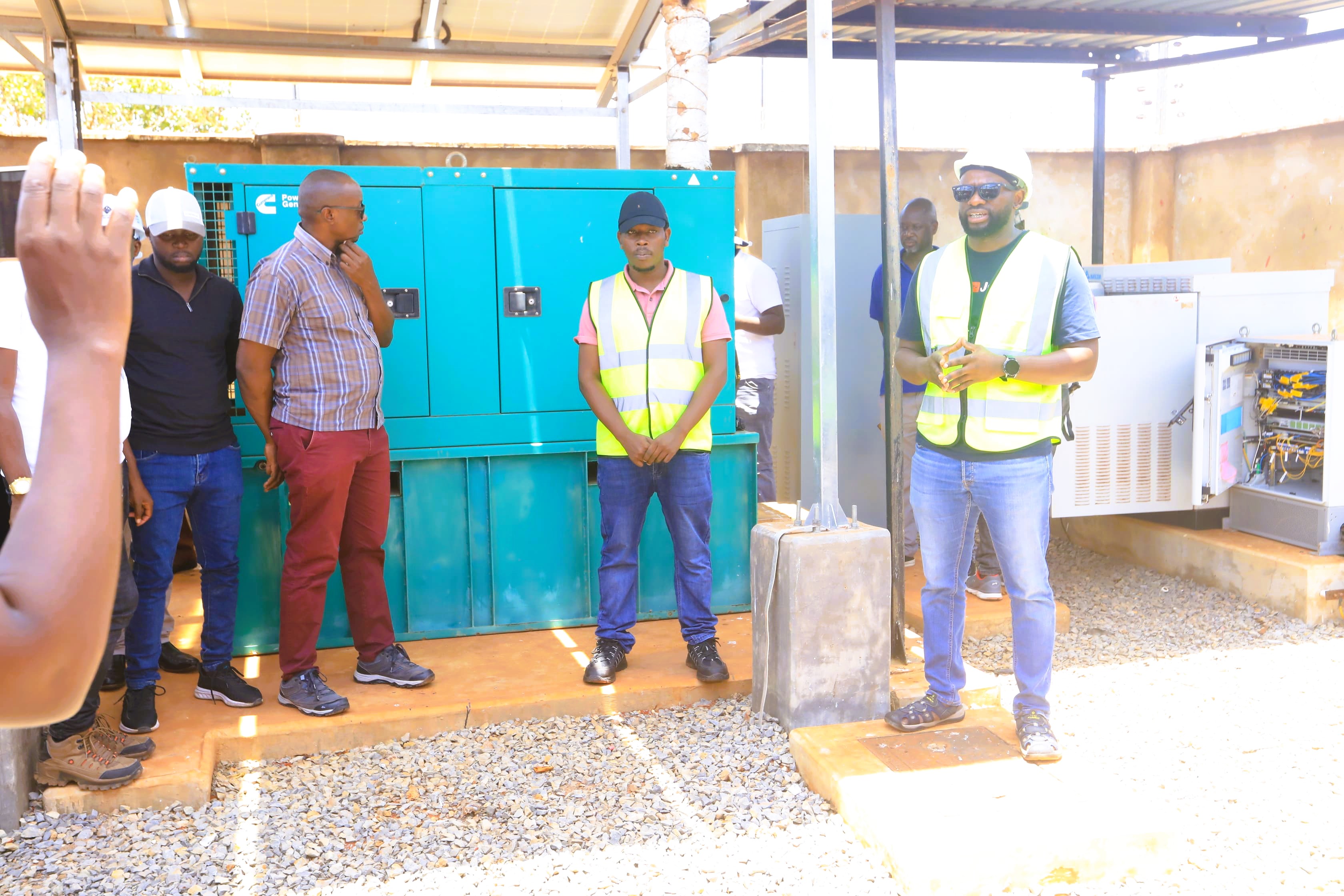
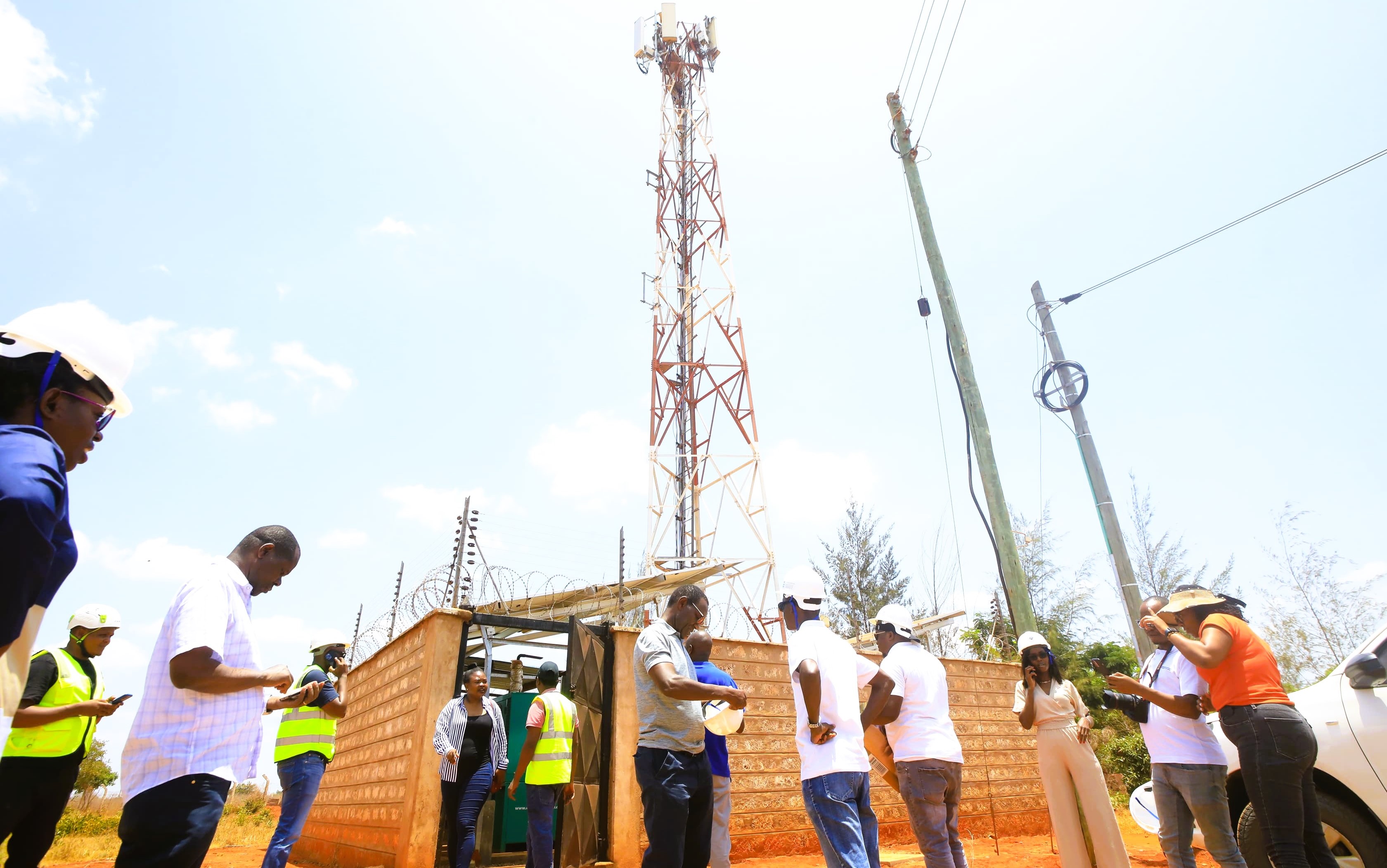
Paul Kiage, Deputy Director Universal Service Fund, speaking in Baolala, Kilifi County, while on a tour of several BTS facilities, said CA has already spent Sh4 billion for the initial three phases that covered more than 500 sub-locations across the country.
He said CA is determined to help expedite the delivery of telecom and digital services to populations in underserved regions and support network security.
He said the BTS scheme reflects the commitment to ensure equitable access to telecom services to all Kenyans by boosting connectivity in hard-to-reach areas.
“About 700,000 Kenyans living in remote areas stand to benefit from this infrastructural project that has resulted in increased coverage and access to services through socio-economic progress,” he said.
He said besides ensuring uninterrupted connectivity for users within its coverage area, BTS also provides benefits such as seamless mobile communication, reliable reception, transmission and efficient call connection management.
He said the other benefits realized through the BTS projects include improved security, business and easy availability of online services.
“The CA is mandated to ensure all Kenyans living in poor urban, rural and remote areas have unhindered access to information and communication services,” he said.
Kiage said the Base Transceiver Stations being undertaken in close collaboration with telecommunication giants like Safaricom has seen 96 per cent population coverage and that the CA is working overdrive to close the remaining 3.4 per cent gap in mobile networks.
“We want to encourage the players in the telecommunication sector to seek to provide widespread and non-discriminatory access to mobile and digital services to all and sundry,” he said.
He said the CA will work with all the stakeholders to bring all Kenyans, especially those living in remote and far-flung areas onto the national communications grid.
Many people in rural and remote parts of the coastal county lack basic cellular coverage since they are too remote and scattered to be of interest to telecom companies.
He said to improve mobile infrastructure and digital services in rural and remote areas, the CA and USF are focused on providing network rollouts to remote rural communities.
Businesspeople at Baolala market, who are the latest beneficiaries of the BTS and USF projects, are now empowered to operate M-pesa accounts and shop for goods.
Sarah Kitole, a trader at Baolala market, said they can now transact business and make payments through their mobile phones.
She contended that mobile phones are the key means through which most people access the internet and welcomed the efforts towards bridging the digital divide.
CA Director General David Mugonyi said the authority is out to facilitate infrastructure development and investment, expanding the reach of ICT infrastructure to bridge the digital divide and create equal opportunities for all.
The DG also said CA is creating opportunities for additional players or services such as through Kenya’s transition to Digital Terrestrial Television (DTT) services and the planned Digital Sound Broadcasting (DSB).
“We are committed to fostering a safe cyberspace, enhancing trust in digital services,” Mugonyi said.