
Anti-banditry campaign bears fruit in restless Northern Kenya
Muturi Mwangi-KNA
A two-year campaign to weed out banditry and cattle rustling activities in Northern Kenya is bearing fruits.
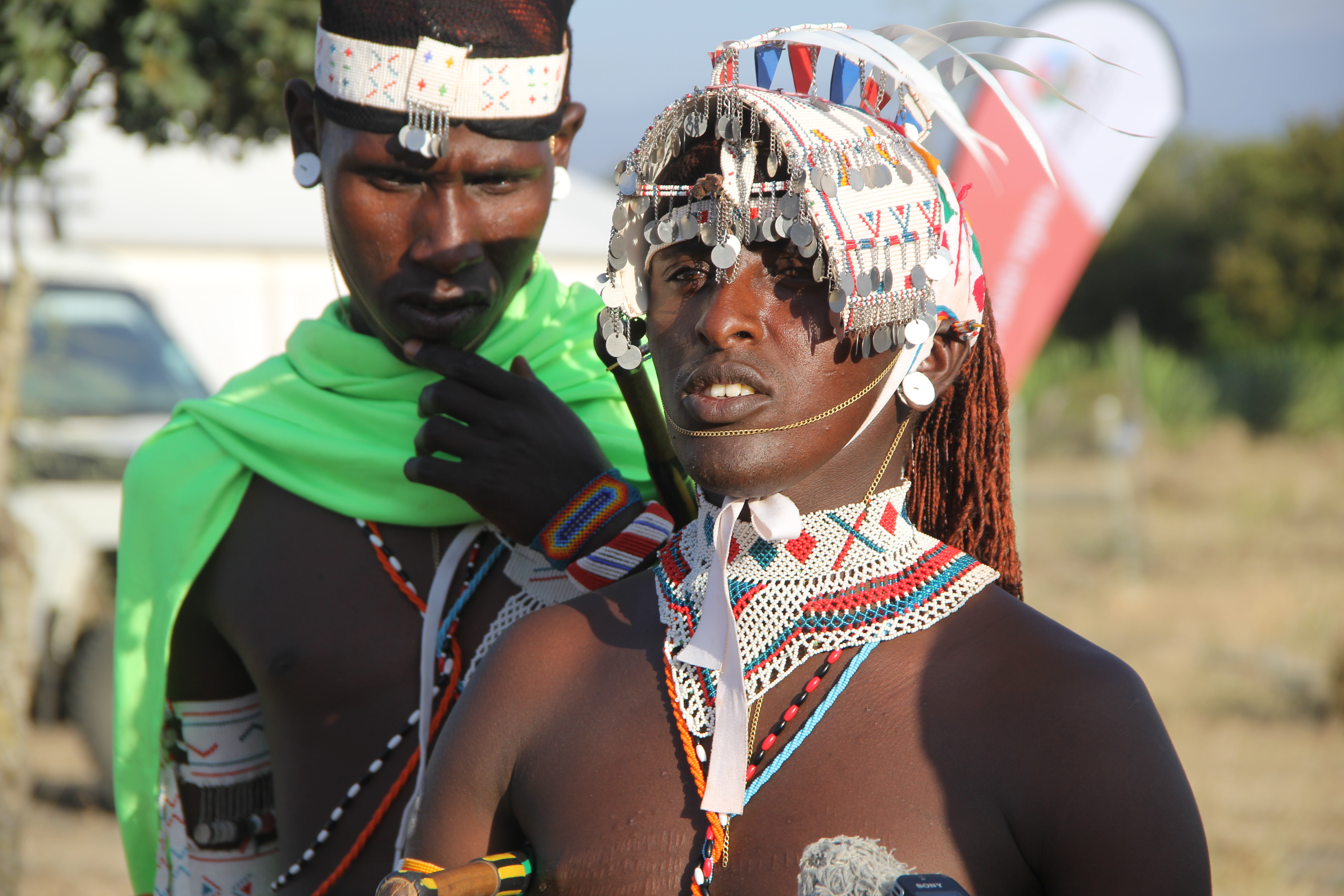
Dozens of community warriors better known as morans and whose main occupation in the past was to attack motorists on highways and conduct armed raids to steal cattle have now turned to genuine traders traversing various livestock markets in Samburu, Marsabit, Isiolo and Laikipia counties.
Owing to cultural norms dictating that the community warriors spend most of their time in the bushes away from public eyes, convincing them to abandon traditional practices has been a slow and lengthy process undertaken by respected community elders.
Communities in the region have introduced alternative means of making a living mostly through business ventures.
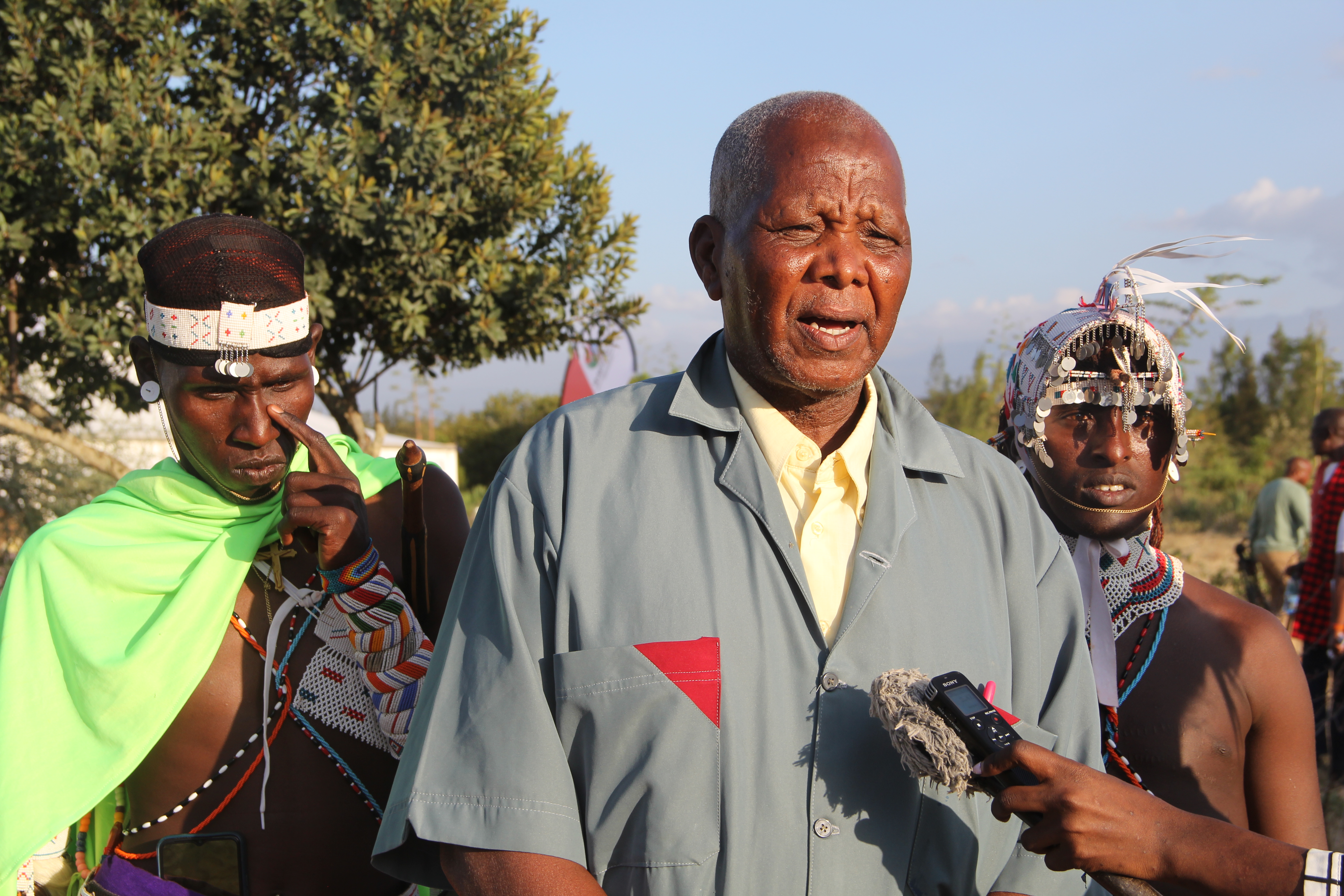
Salim Rachachore, Samburu East peace chair and former chief, is among the elders who have been in frontline to advocate for harmony in the volatile Northern region by encouraging morans to embrace alternative source of livelihood, an initiative supported by a community-based Organization-Indigenous Movement for Peace Advancement and Conflict Transformation (IMPACT).
“Morans are suspected to be used in criminal activities; I have tried to engage with them, encouraging them to shun cattle rustling and attacking motorists. Peace starts with the young people,” Rachachore noted.
Speaking during IMPACT community accountability and feedback forum in Jua kali, Laikipia County, Rachachore adds that in the two-year campaign, some 62 moran's age group leaders have abandoned their criminal activities and become peace ambassadors.
Rachachore reveals that they have supported morans with grants to enable them to kick start their lives away from involvement in the outlawed activities.
“We offered them grants aimed at ensuring they embrace peace, each of the four groups was given Sh200,000. I monitor their progress and its bearing fruit through their commitment,” the peace chair revealed.
Additionally, he highlighted that some of the morans through their savings have been able to restock their livestock without conducting raids as it had been the norm in the past. The morans recounted their past criminal activities which at times resulted in loss of lives.
Pius Lekwles, a Moran from Samburu and one of the IMPACT grant beneficiaries, says that he has been able to support himself through the goat selling business.
“IMPACT came in at a time when we had rampant attacks on motorists on highways and cattle rustling. We informed them of our major challenge, and they have addressed it. We are now peace ambassadors in our community,” Lekwles noted.
He pointed out that through the support and after quitting crime, they have not only learnt the art of trading in livestock, but they have developed a culture of saving their earnings in banks despite their limited formal education.
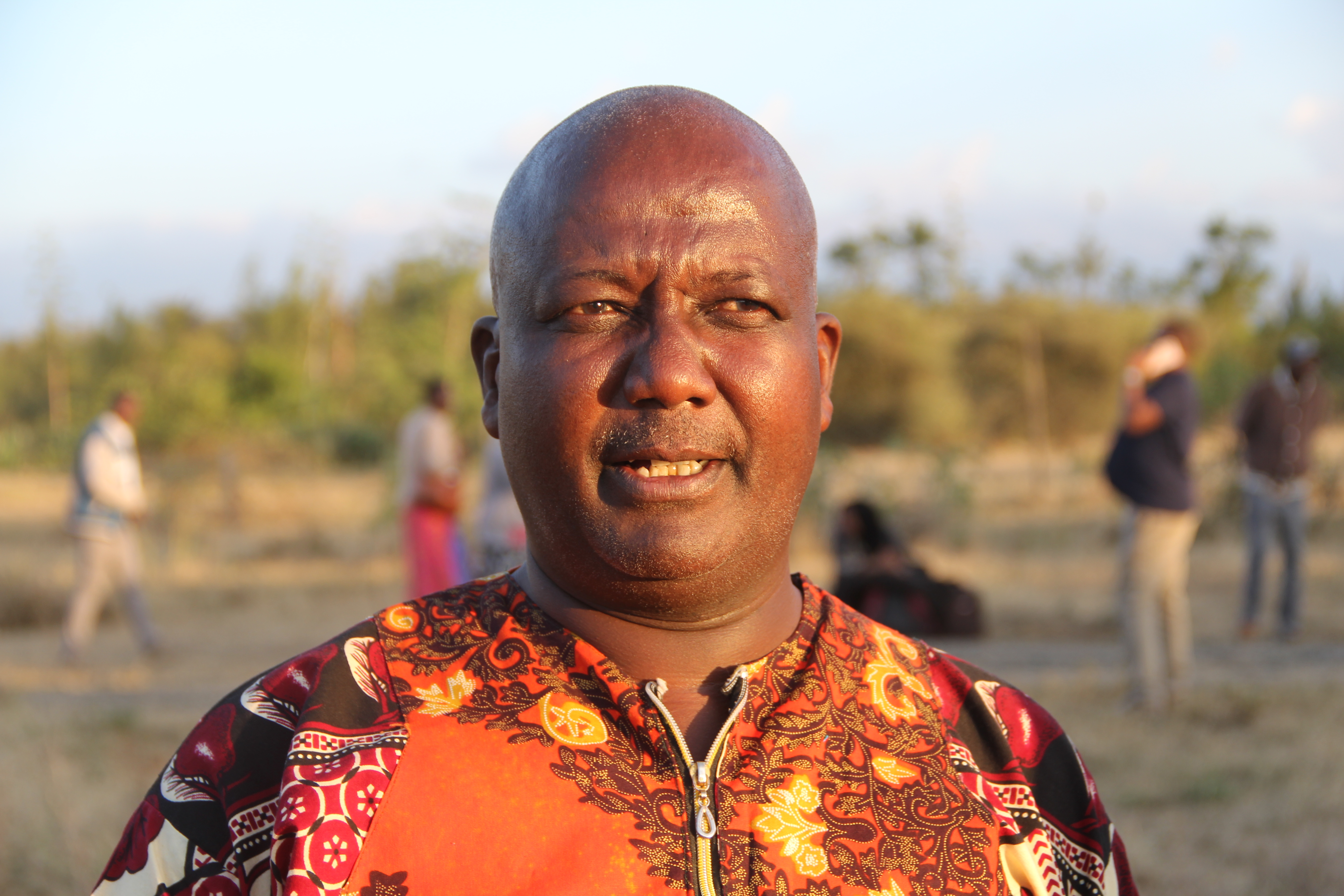
IMPACT Director of programmes John Ting’oi says that as an organization they have an initiative to support the livelihood of the community.
“Peace is a software where we talk with the community to address causes of conflict involving the morans who are the key players on the issues of peace. We developed an alternative way of living rather than depending on livestock or cattle rustling,” Ting’oi noted.
He further revealed that about four moran groups have benefited with Sh800,000 to start livestock marketing and at the same time use them as peace promoters to influence other youth to stop banditry.