
African maritime administrations push for coordinated climate action
SADIK HASSAN-KNA
African countries have been urged to take coordinated action to effectively support and shape the International Maritime Organisation’s (IMO) Net-Zero Framework (NZF), as the world prepares for far-reaching changes in global shipping aimed at reducing greenhouse gas emissions.
The Association of African Maritime Administrations (AAMA) is advocating for a unified African approach to the NZF, warning that fragmented responses could lead to higher costs and reduced competitiveness in the evolving maritime sector.
In 2023, the IMO adopted the Revised IMO GHG Strategy, committing the global shipping industry to achieve net-zero greenhouse gas (GHG) emissions by 2050, with indicative milestones set for 2030 and 2040.
To operationalize this goal, the IMO approved the Net-Zero Framework in April 2025. The NZF combines mandatory emissions reduction measures with carbon pricing for international shipping, marking the first global climate regulation designed to steer the sector toward netzero emissions by around 2050.
While the framework is transformative for global shipping, its implications for Africa are particularly significant, given that maritime transport underpins the continent’s trade and is central to its industrialisation, energy security, and regional integration ambitions.
Without deliberate coordination, African states risk facing higher freight costs, uneven preparedness, stranded maritime assets, and weakened competitiveness.
However, a unified approach could enhance Africa’s bargaining power in global maritime governance and enable the continent to leverage the shipping energy transition to develop green fuel value chains, anchor port-led industrial clusters, and attract climate finance.
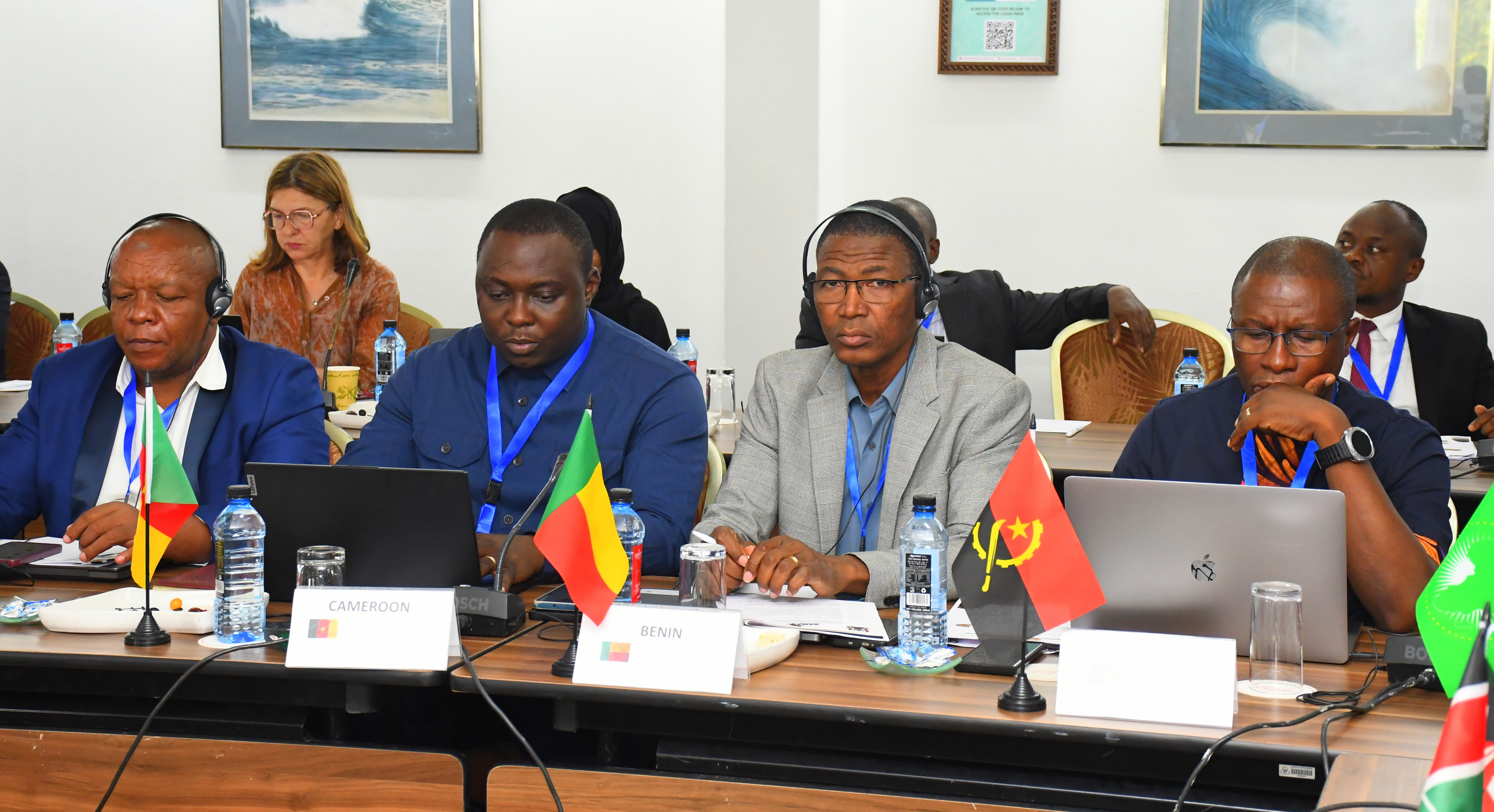
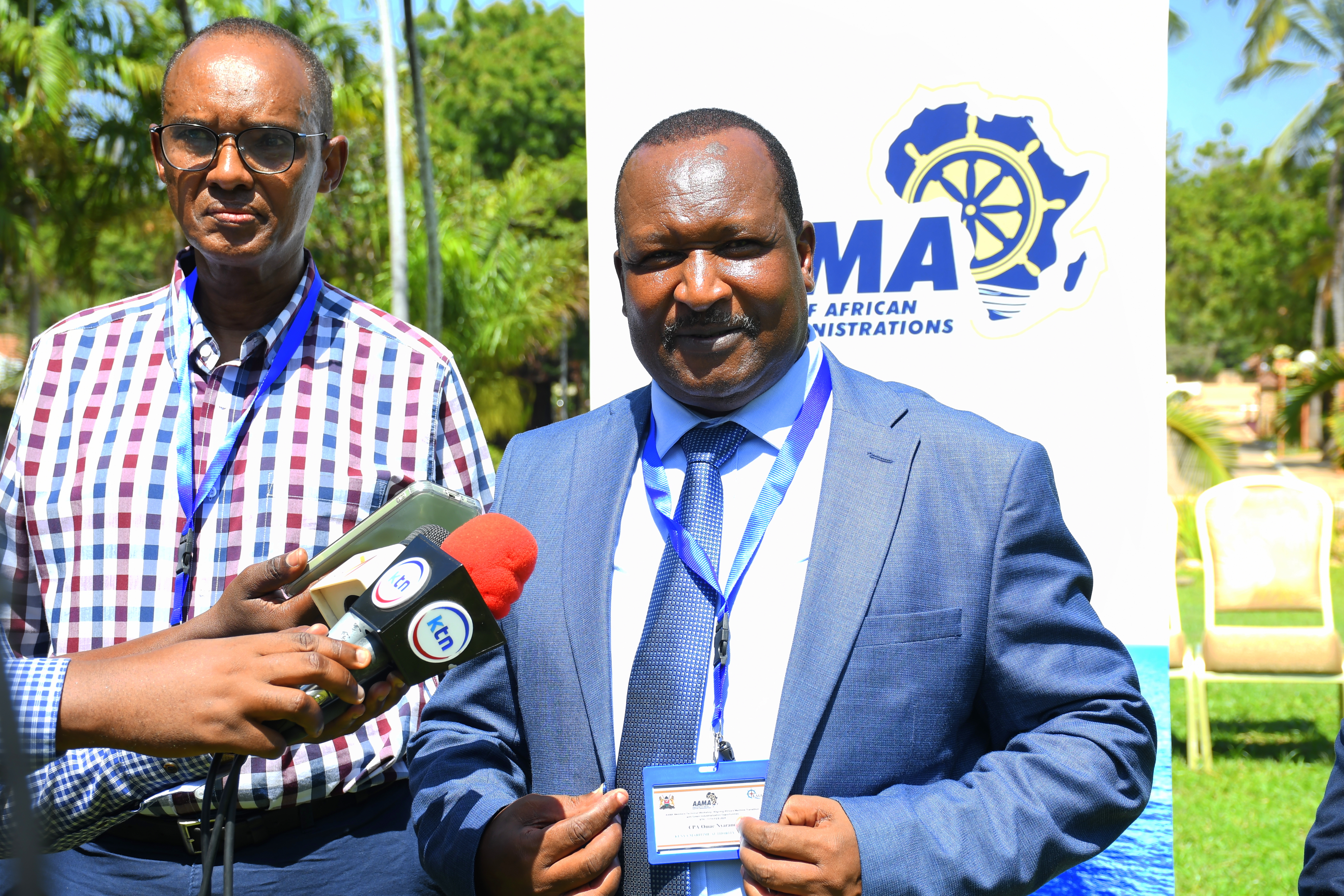
The NZF is scheduled to be considered for adoption by the IMO in October 2026. In preparation, AAMA has convened a three-day regional consultative workshop in Mombasa, bringing together delegates from 25 African countries to strengthen alignment, deepen technical understanding, and shape a common African position ahead of the negotiations.
Kenya’s Special Envoy on Climate Change, Ali Mohammed, said the meeting comes at a time of profound shifts in the global system, marked by intensifying geopolitical competition, rising protectionism, unilateral economic measures, and growing strain on the multilateral, rules-based order that has long underpinned international trade and maritime cooperation.
“We are all witnessing that international negotiations are no longer shaped by technical considerations alone. They are influenced sometimes quietly, sometimes openly, by power dynamics, strategic interests, and economic leverage,” Mohammed said.